 Anacortes Siding
 Allura Isn't a Bad Product — It's Just Not What We Put on Your Home
We get this question a lot: "Why don't you install Allura?" It's a fair question, because Allura is a real fiber cement siding manufacturer, not some fly-by-night vinyl knockoff. Allura (formerly Maxitile, and before that a Certainteed fiber cement line) makes lap siding, panels, and trim out of the same basic recipe as everyone else in the category — Portland cement, sand, cellulose fiber, and water, cured under pressure. On paper, it competes directly with James Hardie. In practice, we've chosen not to install it, and we think Anacortes homeowners deserve the honest reasoning instead of a marketing pitch.
This page isn't about trashing a competitor's product. It's about explaining the trade-offs that led us, as a company that only installs one siding system, to pick James Hardie over Allura and every other fiber cement alternative on the market.
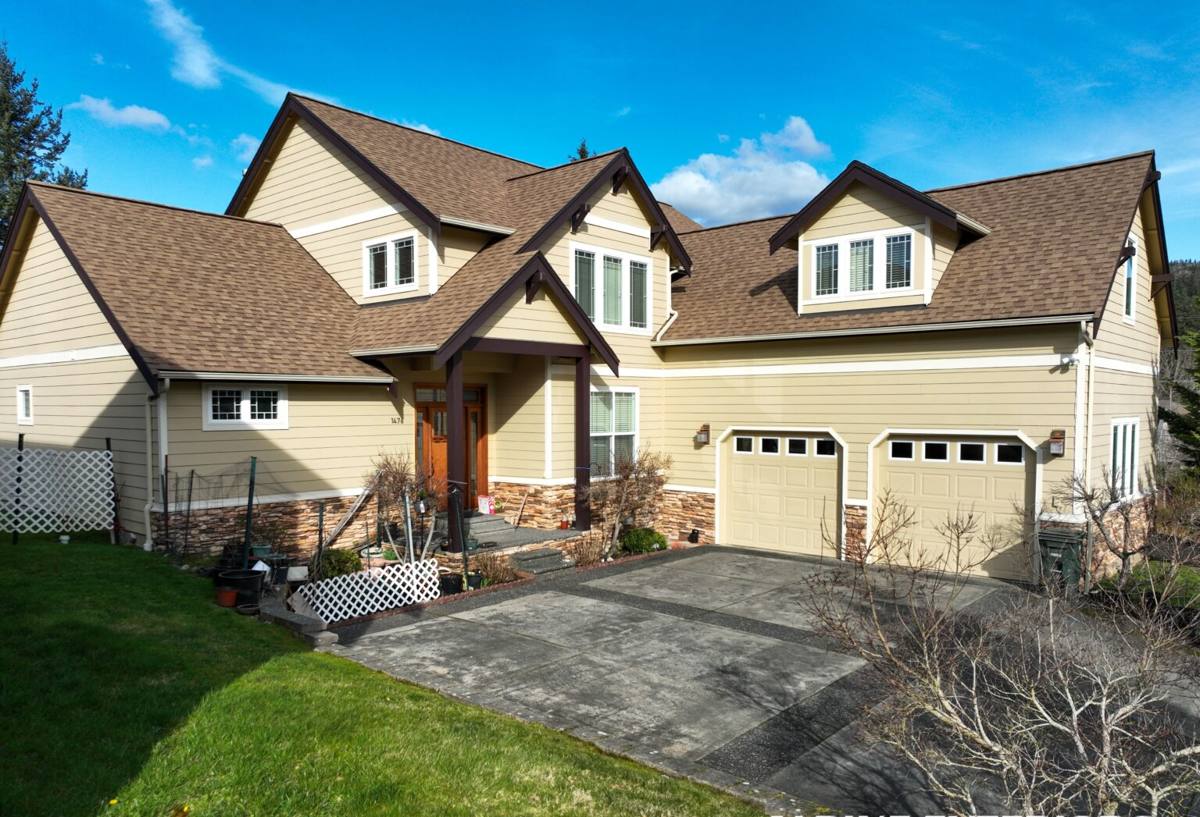
What Allura Gets Right
Fiber cement as a category solved the two biggest complaints homeowners had with older siding materials: it doesn't rot like wood, and it doesn't warp, crack, or fade the way vinyl does in direct sun. Allura's boards are non-combustible, resist pest damage, and hold paint or factory finish reasonably well. For a homeowner comparing "cheap vinyl" versus "any fiber cement," Allura is a legitimate step up. We're not disputing that.
Where things get more complicated is in the details — manufacturing consistency, regional engineering, finish warranty, and how the product actually performs once it's on a wall in a marine climate like ours, with salt air rolling off Fidalgo Bay and driving rain that doesn't let up from October through April.
Where the Gap Shows Up
Fiber cement is a manufacturing-sensitive product. Board density, moisture content at installation, and edge-sealing all affect how the siding performs over 20-30 years, not the first 2-3. Hardie has built its entire brand around engineering to specific climate zones (the HZ5 line for the Pacific Northwest, for example) and controlling that manufacturing process tightly enough to back it with a strong transferable warranty. Allura and other regional fiber cement producers compete more on price and availability than on climate-specific engineering or long-term warranty backing — and in Skagit County's wet, salt-tinged air, that difference compounds over decades, not months.
The Real Differences: Hardie vs. Allura
| Factor | James Hardie | Allura |
|---|---|---|
| Climate engineering | Region-specific HZ formulations (HZ5 for Pacific Northwest) | General-purpose formulation, not regionally engineered |
| Factory finish | ColorPlus baked-on finish with dedicated 30-year finish warranty | Primed or factory-painted options; finish warranty terms vary and are typically shorter |
| Warranty structure | Transferable limited warranty, well-documented claims process | Limited warranty exists but has less market track record for claims handling |
| Regional availability & support | Widely distributed in Western Washington with established installer training | Less consistent regional distribution and installer certification presence |
| Market track record | Decades of Pacific Northwest installations to reference | Fewer long-term installations in this specific climate to point to |
Why Manufacturing Consistency Matters More Here Than Elsewhere
Every fiber cement product is basically a cured cement-and-fiber composite, but the manufacturing tolerances behind that composite matter enormously once it's exposed to a coastal climate. In Anacortes, siding faces sustained moisture exposure for a good chunk of the year, plus salt-laden air off the water. That combination is unforgiving of shortcuts: undercured boards, inconsistent density, or poorly sealed cut edges all show up eventually as moisture wicking, finish failure, or premature cracking at butt joints.
James Hardie's manufacturing scale means tighter quality control and a formulation specifically rated for wet marine climates. We're not aware of independent third-party data proving Allura fails in our climate — that's not our claim. Our claim is narrower and more honest: we don't have the same depth of long-term, climate-specific track record with Allura in Western Washington that we have with Hardie, and as installers who stand behind our work for decades, we'd rather build on the product with the deeper local proof.
Moss and the Long Wet Season
Skagit County's siding also has to survive a genuinely long moss season. Anacortes sits in a pocket of the Salish Sea where shade, humidity, and mild temperatures create ideal conditions for moss and algae growth on north-facing walls and anywhere siding stays damp longer than a few hours after rain. Fiber cement resists moss better than wood, but the factory finish quality still determines how well a wall sheds moisture and resists staining over time. This is another area where Hardie's ColorPlus finish — a factory-baked, multi-coat process — has a longer proven record than most competing finishes, including Allura's.
Installation Sensitivity: The Part Nobody Talks About
Fiber cement siding, regardless of brand, is only as good as its installation. Gaps that aren't caulked correctly, nails driven at the wrong angle, boards installed without proper clearance from grade or roof lines, and butt joints that aren't flashed — all of these turn a 30-year product into a 10-year problem. This is true of Hardie too. The difference is that Hardie has invested heavily in installer certification (Hardie ZoneSM training, published installation manuals specific to each climate zone) and its warranty terms are explicit about installation requirements.
Because we only install one product, our crews are deeply familiar with a single set of installation specs, fastening patterns, and flashing details — not switching between five different manufacturers' instructions from job to job. That consistency is part of why we standardized on one system instead of carrying multiple siding brands.
Cost: Where Allura Sometimes Looks Attractive
We'll be straight about this: Allura and other regional fiber cement brands are sometimes priced a bit lower than Hardie, particularly on material cost per square. If your only comparison point is the invoice for materials, Allura can look like the better deal. But siding cost isn't just the material line — it's installation labor (which is comparable across fiber cement brands), the finish warranty, and the resale and insurance conversations that come up when Hardie's name is recognized by appraisers and adjusters in this region far more often than smaller fiber cement brands.
- Material cost: Allura sometimes runs slightly lower per square than Hardie ColorPlus products.
- Labor cost: Roughly comparable — both require the same fiber cement installation skill set.
- Finish warranty: Hardie's ColorPlus warranty is longer and more specifically documented than most Allura finish options.
- Resale recognition: Hardie is the name most Anacortes-area buyers, inspectors, and lenders already recognize.
- Long-term maintenance: Finish quality affects how often you're repainting or re-caulking over 20+ years — this is where climate-specific engineering pays for itself.
Why We Chose to Carry Only One Siding Brand
Some contractors install whatever the homeowner requests, or whatever distributor has the best price that month. We took a different approach: we install James Hardie exclusively, on every job, for every homeowner. That means our crews aren't relearning installation specs for a different manufacturer every few jobs, our warranty conversations are consistent, and we can speak from real repetition about how the product performs in Anacortes conditions specifically — not just what a spec sheet claims.
That's also why we don't install LP SmartSide, vinyl, Cemplank, primed spruce, or cedar. Each of those has its own set of trade-offs we're happy to walk through, but the short version is the same: after weighing manufacturing consistency, climate engineering, warranty strength, and real-world performance in Skagit County's marine climate, Hardie is the product we're willing to put our name behind.
Questions Worth Asking Before You Choose a Siding Product
- Is this siding formulated for a marine or wet climate, or is it a general-purpose national product?
- What does the factory finish warranty actually cover, and for how long?
- Is the warranty transferable if you sell the home?
- Does the installing contractor specialize in this specific product, or do they switch brands job to job?
- How will this product hold up against moss, algae, and prolonged dampness on shaded, north-facing walls?
What This Means for Your Anacortes Home
If you're comparing quotes and one contractor is offering Allura at a lower price, that's worth understanding on its own terms — it may be a perfectly serviceable product for the right application. But if you want a straight answer on why we don't offer it: it comes down to climate-specific engineering, finish warranty depth, and the decades of Pacific Northwest installation history that inform how we build. We'd rather install one product exceptionally well than offer five options and spread our expertise thin.
If you're planning a siding replacement in Anacortes or anywhere else in Skagit County, we're happy to walk your home, talk through what we see in terms of moisture exposure, sun/shade patterns, and existing damage, and give you a straightforward, no-pressure estimate for a James Hardie installation done right.