 Anacortes Siding
 Roofing in a Neighborhood That Sees Every Kind of Weather
Old Town Anacortes sits close enough to the water that salt air is part of daily life, and close enough to the hills and tree cover that moss and shade are just as much a factor. Add in Skagit County's long stretch of driving rain from fall through spring, and you've got a combination that's hard on roofing materials that weren't installed with this climate in mind. A roof that would hold up fine in a drier, inland part of the state can fail early here if the underlayment, flashing, and ventilation weren't built for salt exposure and constant moisture.
We install new roofs for homes throughout Old Town Anacortes on a regular basis, which means we're not guessing at how this neighborhood's weather affects a roof over time — we see it directly, on houses a block or two from the last one we worked on.
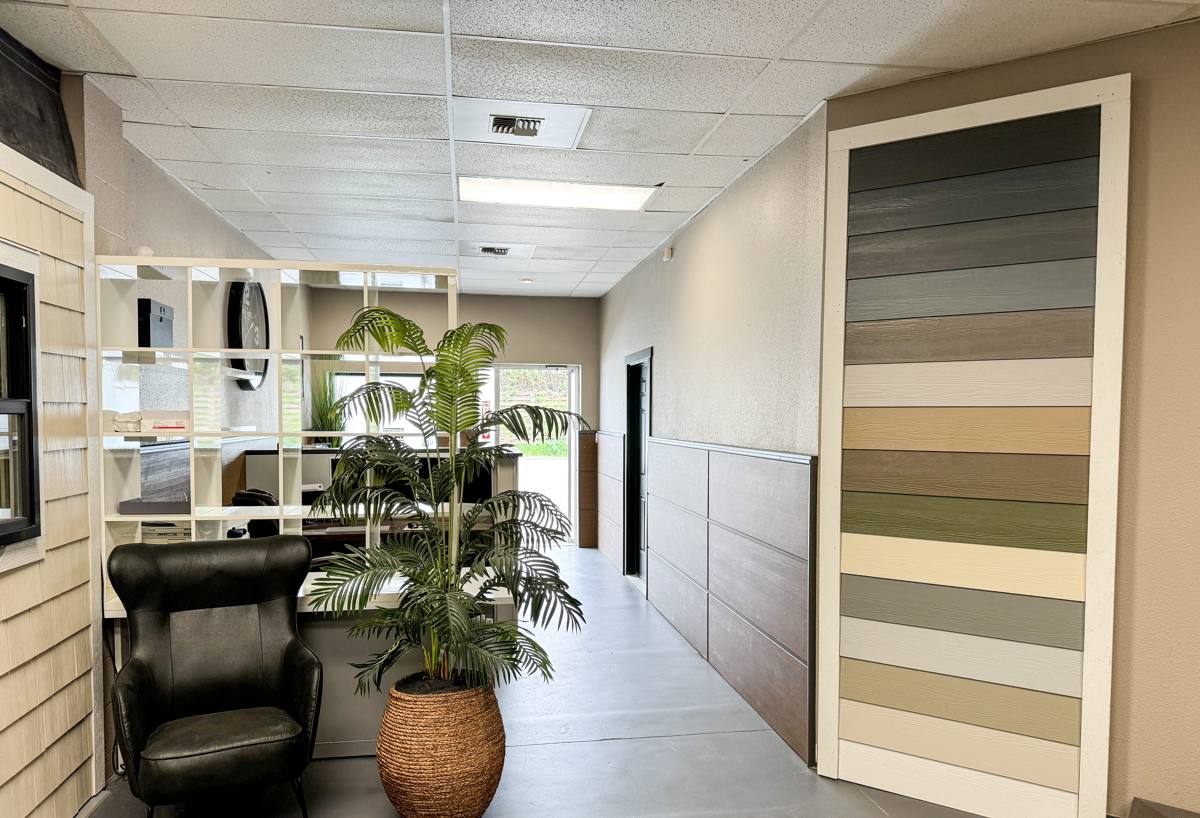
Why Old Town Anacortes Homes Are a Different Roofing Job
Many of the homes in this part of Anacortes are older, with roof framing and ventilation designed decades before today's materials and codes existed. That doesn't mean the house is a problem — it means a new roof installation here has to account for a few things a newer subdivision roof might not:
Older Decking and Framing
Original roof decking on older homes is sometimes thinner, spaced-board sheathing rather than solid plywood or OSB, or shows signs of past moisture damage that were never addressed. A correct installation always includes inspecting the decking once the old roofing is removed, not assuming it's fine because it looked okay from the ground.
Tree Cover and Shade
Mature trees are part of what gives Old Town its character, but shaded, damp roof sections are exactly where moss and algae take hold first. Roofing choices and ventilation design need to account for which sections of a given roof stay wet longest.
Proximity to Salt Air
Homes closer to the water deal with airborne salt that accelerates corrosion on fasteners, flashing, and any exposed metal. This is a detail that's easy to overlook and expensive to ignore.
Signs a Roof Needs Replacement, Not Another Repair
We'd rather tell a homeowner honestly that a roof still has a few years left than sell a replacement that isn't needed yet. That said, these are the signs that usually mean it's time to plan for a new roof rather than another round of patching:
- Shingles that are cracked, curling, or losing granules across large sections rather than just one spot
- Moss or algae growth that keeps coming back within a year or two of cleaning
- Soft spots in the decking you can feel underfoot in the attic or from the roof edge
- Daylight visible through the roof deck from inside the attic
- Water stains on interior ceilings or in the attic, especially near valleys or chimneys
- A roof that's 20+ years old (asphalt) or showing widespread wear, even without an active leak
- Multiple past repairs in different areas — a sign the roofing system as a whole is aging out
Choosing a Roofing System for This Climate
There's no single "best" roofing material for every home — the right choice depends on budget, the home's structure, and how much long-term maintenance a homeowner wants to take on. Here's how the common options compare for a wet, moss-prone, salt-air environment like Old Town Anacortes:
| Material | Moisture & Moss Resistance | Typical Lifespan | Maintenance Burden |
|---|---|---|---|
| Architectural Asphalt Shingle | Good with proper ventilation and algae-resistant granules | 25–30 years | Periodic moss/debris cleaning |
| Standing Seam Metal | Excellent — sheds moisture and moss struggles to establish | 40–50+ years | Low; occasional fastener/coating check |
| Cedar Shake | Requires diligent upkeep to resist moisture and moss in shaded areas | 20–30 years with maintenance | High — regular treatment and inspection |
| Synthetic/Composite Shingle | Very good; engineered for moisture resistance | 30–50 years | Low to moderate |
We're honest about trade-offs rather than pushing whatever's easiest to install. Cedar shake can look great on an older Old Town home, but it demands consistent upkeep in a damp, shaded climate, and we'll say so upfront rather than let a homeowner find out the hard way. Metal roofing costs more initially but performs exceptionally well against moss and salt exposure, which matters more here than it would in a drier region.
What a Correct New Roof Installation Actually Involves
A roof is only as good as the layers underneath the visible shingles or panels. In a climate like this one, skipping or shortcutting these steps is where premature leaks and moss problems come from.
Full Tear-Off and Deck Inspection
We remove the existing roofing down to the deck rather than layering over old material. This lets us actually see and address rot, soft spots, or past water damage instead of covering it up.
Ice and Water Shield at Vulnerable Areas
Valleys, eaves, and areas around chimneys and skylights get self-adhering waterproof membrane, not just standard felt. These are the spots where wind-driven rain off the Sound finds its way in first.
Synthetic Underlayment
Across the rest of the roof, a quality synthetic underlayment provides a second line of defense against moisture that works its way past the primary roofing surface — something that matters more here than in drier parts of the state.
Proper Flashing
Flashing around chimneys, walls, and roof penetrations is one of the most common failure points on older homes. We use corrosion-resistant flashing given the salt air, and we form it correctly rather than relying on excess sealant to make up for a poor fit.
Balanced Ventilation
Intake and exhaust ventilation need to work together so moist air actually leaves the attic instead of condensing against the underside of the deck. Poor ventilation is one of the biggest hidden contributors to premature roof failure and to moss and mildew problems inside the attic itself.
How We Approach an Old Town Anacortes Roof Replacement
- On-site evaluation — We walk the roof and attic, check for soft decking, ventilation issues, and moss or moisture patterns specific to your property's sun and tree exposure.
- Honest material recommendation — Based on your home's structure, budget, and how much upkeep you want long-term, not a one-size-fits-all pitch.
- Written estimate — Clear scope, materials, and timeline before any work begins.
- Tear-off and deck repair — Old roofing removed, decking inspected and repaired where needed.
- Underlayment, flashing, and ventilation installed correctly — the layers that determine whether the roof actually performs in this climate.
- Final roofing material installed to manufacturer specifications, which also protects your warranty coverage.
- Site cleanup — including magnetic sweep for nails and debris removal.
- Final walkthrough so you understand what was done and how to maintain it.
Permits and Working With Older Homes
Roof replacements in the City of Anacortes typically require a permit, and we handle that process as part of the job. On older Old Town homes, this step also matters because it forces a real inspection of the structure rather than a quick cover-up — if there's a framing or decking issue, it gets caught and addressed properly, with the work documented and up to current code.
Moss, Rain, and Long-Term Roof Maintenance
A new roof installed correctly for this climate still benefits from basic upkeep. A few habits go a long way in Skagit County's wet, moss-prone conditions:
- Clear gutters and downspouts each fall before the heavy rains set in
- Remove overhanging branches that keep sections of roof shaded and damp
- Have moss growth treated before it works under shingle edges, not after
- Schedule a roof check every couple of years, especially after a major windstorm
Why Local Installation Experience Matters Here
Roofing crews who don't regularly work in coastal, moss-heavy climates sometimes install roofs the same way they would anywhere else — and those roofs tend to show problems years earlier than they should. We work on homes throughout Anacortes and the surrounding Skagit County area, which means our approach to underlayment, flashing, and ventilation is shaped by what actually holds up here, not by a generic installation manual. For an older Old Town home, that local knowledge is the difference between a roof that needs attention again in ten years and one that goes the full distance.
If you're weighing repair versus replacement, or just want an honest read on your roof's condition, we're happy to take a look. Reach out for a free, no-pressure estimate using the form below.