 Anacortes Siding
 Board & Batten in a Town Built on Water and Weather
La Conner sits right on the Swinomish Channel, which means homes here deal with a version of coastal exposure that most of Skagit County doesn't see in the same combination: salt-laden air off the tidal channel, driving rain that comes in sideways off Puget Sound weather systems, and a long, damp shoulder season that keeps north- and west-facing walls wet for days at a stretch. Board and batten siding is a natural fit for the town's mix of historic waterfront character and newer farmhouse-style construction, but the style only holds up here if the material and the installation both account for what this specific stretch of water and weather does to a wall over twenty or thirty years.
This page is about one thing: board and batten siding, done correctly, on La Conner homes. Not board and batten in general, not siding in general — the specific decisions that matter when the house is a few blocks from tidal water and the siding is going to spend its life absorbing salt spray, moss spores, and long stretches of saturated air.
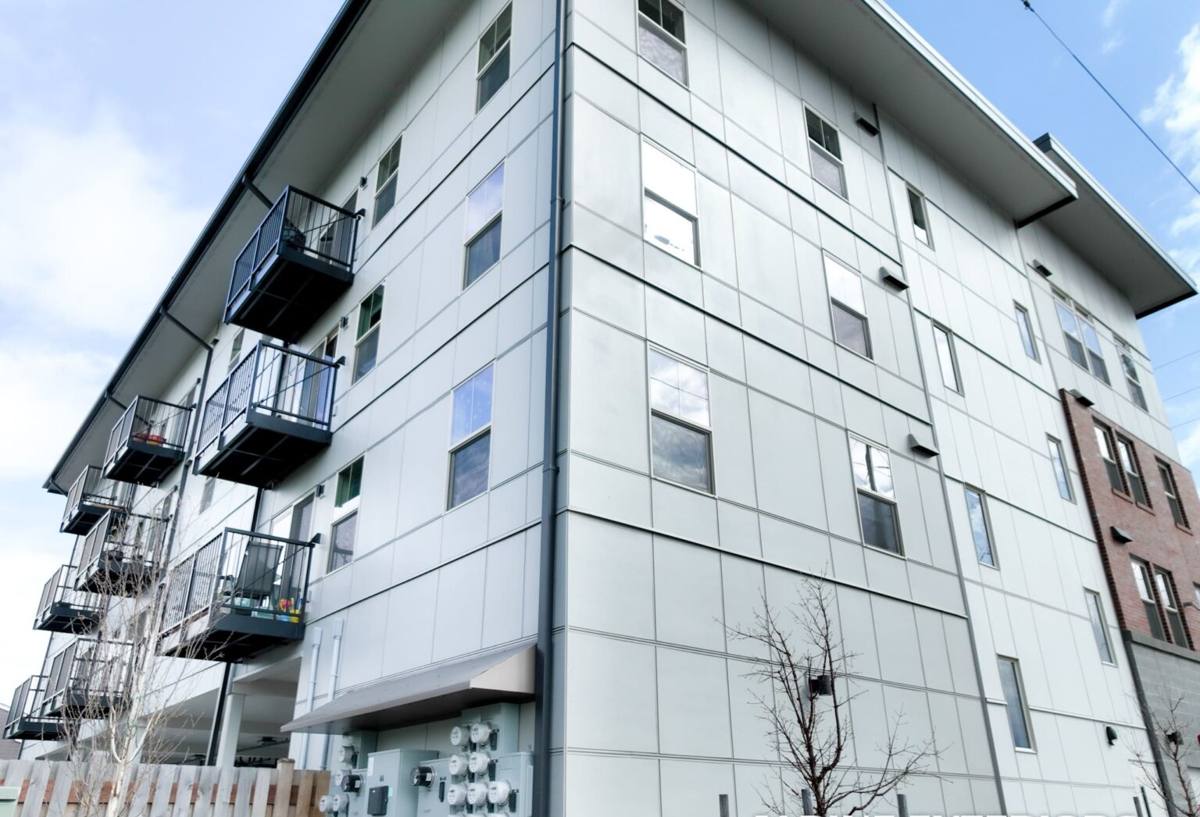
What the Local Climate Actually Does to Vertical Siding
Salt air and channel moisture
Airborne salt from the Swinomish Channel settles on exterior surfaces and accelerates corrosion of exposed fasteners and metal trim, and it also holds moisture against a wall longer than dry inland air would. Vertical board and batten has more seams and more batten-to-panel joints per square foot than lap siding, and every one of those joints is a place where salt-carrying moisture can sit if it isn't detailed to shed water.
Driving rain and wind-driven wetting
Storms moving through this part of the Sound often push rain sideways rather than straight down, which means walls facing the prevailing weather take on wind-driven water at the panel edges and batten strips, not just at the top. A board and batten system that isn't designed for wind-driven rain will show it first at the bottom edges of the boards and around window trim.
Moss and sustained dampness
Skagit County's long wet season keeps shaded, north-facing siding damp for extended stretches, which is exactly the condition moss needs to establish. Once moss gets a foothold on a vertical board, it holds water against the surface behind it, and on the wrong material that trapped moisture becomes a slow, ongoing problem rather than a cosmetic one.
Why We Only Install This in James Hardie Fiber Cement
Board and batten can be built out of several materials — vinyl, engineered wood, primed spruce, cedar — but we don't install any of those on La Conner homes, and it isn't a style preference. Fiber cement is dimensionally stable in a way wood and vinyl aren't: it doesn't swell and shrink with every wet-dry cycle, which matters enormously on a style of siding that depends on tight, straight batten joints staying tight and straight. Wood board and batten needs repainting and caulk maintenance on a cycle that most homeowners underestimate, and in a climate this damp, deferred maintenance shows up as rot at the panel bottoms and batten ends faster than people expect. Vinyl board and batten profiles can look the part from a distance, but the material itself is more vulnerable to impact damage and doesn't hold a factory finish the way fiber cement does, which matters when the air is carrying salt.
We install James Hardie vertical siding systems — HardiePanel vertical siding with traditional battens, and the Artisan Collection where a homeowner wants a more refined, tighter-reveal look. Both are factory-finished with ColorPlus Technology, a baked-on finish that's formulated to resist fading and hold up against exactly the combination of UV, salt air, and moisture that this location produces. It's non-combustible, it doesn't feed moss the way some organic-content siding products can, and it comes with a strong transferable warranty that isn't contingent on a maintenance schedule most homeowners won't keep up with. That's the whole reason we standardized on one manufacturer instead of offering every option on the shelf — we'd rather install the product that's actually engineered for this climate than sell whatever a homeowner has seen in a catalog.
What a Correct Installation Actually Involves
Board and batten looks simple — vertical boards, strips over the seams — but the parts nobody sees are what determine whether it lasts fifteen years or fifty. On a La Conner project, we treat these as non-negotiable:
- Drainage plane behind the panel: a weather-resistive barrier and, on most projects, a rainscreen gap so any moisture that gets past the surface can drain and the wall can dry rather than staying saturated.
- Correct fastening pattern: Hardie panels and battens have manufacturer-specified nailing patterns and edge clearances; skipping these is the single most common cause of premature failure in vertical fiber cement siding.
- Flashing at every horizontal transition: window heads, water tables, and any place a roof or deck meets the wall need proper flashing so wind-driven rain can't work its way behind the panel.
- Batten spacing and fastening: battens have to be fastened into structural framing or blocking, not just into the panel, and spaced consistently so the reveal looks intentional and stays that way.
- Sealed, not caulked-over, joints: factory-cut and field-cut edges get sealed per Hardie's specifications, not just caulked as an afterthought at the end of the job.
Any one of these done wrong won't necessarily show up in the first year. It shows up in year eight or ten, as staining, soft spots, or panels that have started to separate from the battens — which is exactly the timeline homeowners tell us about when they call us to fix a board and batten job someone else did.
Comparing Board and Batten Materials for This Climate
| Material | Salt air / moisture behavior | Moss resistance | Maintenance | Typical warranty |
|---|---|---|---|---|
| James Hardie fiber cement | Dimensionally stable, engineered finish resists salt and UV | Non-organic composition, doesn't feed moss growth | Occasional wash; no repainting cycle | Strong transferable warranty on product and finish |
| Primed wood / cedar | Absorbs moisture, prone to swelling and rot at joints | Organic material, more susceptible to moss and mildew | Repainting/staining every few years, joint recaulking | Limited, often finish-only |
| Vinyl board and batten | Doesn't rot, but can warp and gap with temperature swings | Moss can grow on surface grime if not cleaned | Low, but impact damage is common and hard to match-repair | Varies widely by manufacturer |
| LP SmartSide / engineered wood | Wood-based core is moisture-sensitive at cut edges | Requires diligent edge sealing to resist moisture and moss | Edge sealing and inspection on a regular schedule | Manufacturer warranty, often maintenance-dependent |
Our Process on La Conner Projects
Every board and batten project starts with an assessment of the existing wall, not just a measurement of the exterior. We check for moisture damage behind the current siding, evaluate the condition of the sheathing and trim, and confirm what the drainage plane needs to look like given the wall's orientation relative to prevailing wind and rain. From there we handle tear-off, correct any sheathing or flashing issues we find before anything new goes up, and install the Hardie panel-and-batten system to manufacturer specification — proper fastening, sealed joints, and flashing integrated at every window, door, and horizontal transition. We clean up thoroughly at the end of the job, and we walk the completed siding with the homeowner so they know exactly what was done and why.
Color and Finish Choices That Hold Up Here
ColorPlus finishes come pre-baked at the factory, which matters in a salt-air environment because the finish is applied and cured under controlled conditions rather than on-site where weather and temperature can affect a field-applied paint job. For La Conner homes, we also pay attention to how a chosen color and reveal pattern will read on walls that get shaded and stay damp longer — darker, low-sheen finishes on north-facing walls can mask moss staining longer between washings than very light, flat colors in the same exposure. It's a small detail, but it's the kind of thing that comes from having installed this product on homes in this specific setting before.
Maintenance Checklist for Board and Batten in This Climate
- Rinse siding annually, focusing on north-facing and shaded walls where moss and grime accumulate fastest
- Inspect caulking at window and door trim yearly; reseal if it's cracked or pulling away
- Keep gutters and downspouts clear so runoff doesn't sheet down wall sections during heavy rain
- Trim back vegetation and landscaping that shades siding and keeps it damp longer than necessary
- Watch for any soft spots, staining, or gaps at batten joints and have them looked at promptly rather than waiting
Why Hiring a Crew That Already Works in La Conner Matters
Board and batten installation isn't forgiving of guesswork, and a crew that's installed it on homes facing the Swinomish Channel already knows which walls in this town take the worst of the wind-driven rain, how the moss season affects timing and material choices, and what a house here needs behind the siding — not just on it. That local track record is worth more than a lower bid from a crew unfamiliar with how this specific stretch of Skagit County weather behaves against a vertical wall system.
If you're weighing board and batten for a home in La Conner, we're happy to take a look and walk you through what your specific walls need. Reach out for a free, no-pressure estimate using the form below.