 Anacortes Siding
 Metal Roofing for Edison Homes Near Anacortes
Edison sits in the flats between Anacortes and Bow, close enough to Padilla Bay and the Skagit tidelands that salt air is just part of daily life. Homes out here take a different kind of beating than roofs twenty miles inland. The combination of marine moisture, near-constant humidity, and a moss season that can run eight months out of the year means a roof that looks fine on a dry August afternoon can be hiding real problems by the following spring. Metal roofing, installed correctly for this specific environment, is one of the most durable answers available to Edison homeowners — but "installed correctly" is doing a lot of work in that sentence, and it's where a lot of jobs in this area go wrong.
This page is about metal roofing specifically for Edison and the immediate surrounding area — not a general overview of metal roofing everywhere. The details that matter here are shaped by this particular stretch of Skagit County: its exposure to bay winds, its rainfall totals, and the shaded, moisture-holding tree cover that many Edison properties sit under.
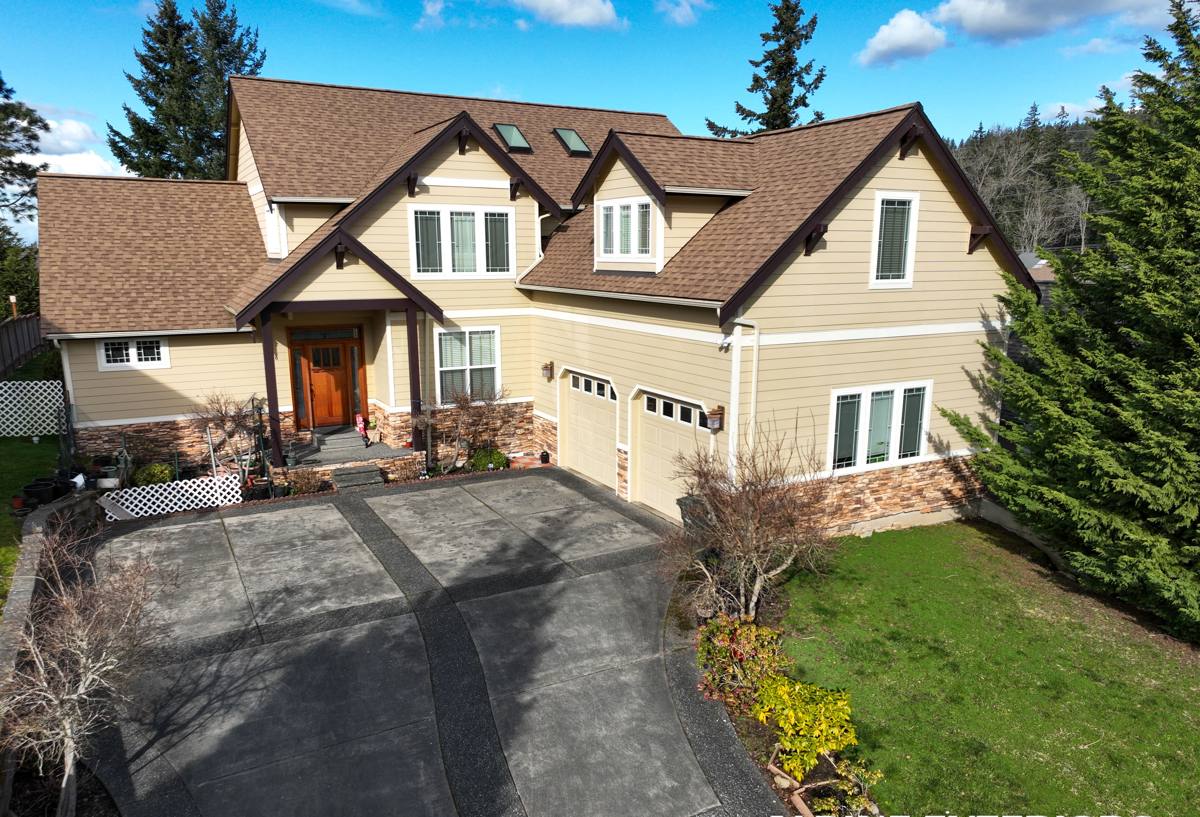
What This Climate Actually Does to a Roof
Three things drive roofing decisions in Edison, and they compound each other rather than acting independently.
Salt Air and Corrosion
Proximity to Padilla Bay and Samish Bay means airborne salt is a constant, low-grade presence on every exterior surface, including the roof. Salt accelerates corrosion on fasteners, flashing, and any metal component that isn't rated for coastal exposure. This is the single biggest reason generic, big-box metal roofing materials underperform here — they're often engineered and warrantied for inland conditions, not for a property sitting a few miles from tidal water.
Driving Rain
Skagit County doesn't just get a lot of rain — it gets wind-driven rain that comes in at an angle, which pushes water into laps, seams, and fastener penetrations that would stay dry in a straight-down rainstorm. Roof details that pass in calmer inland conditions can leak here if the underlayment, flashing, and panel overlaps aren't specified for wind-driven exposure.
Moss and Shade
Between the tree cover common on Edison lots and the region's long damp season, moss and organic growth get a real foothold on roofs that hold moisture. Moss isn't just cosmetic — it holds water against roofing material, works into seams, and on some roof types can lift edges and accelerate wear. A roofing choice and installation approach that sheds water fast and doesn't give moss anything to grip is worth more here than in a drier climate.
Why Metal Holds Up Well in This Setting — When It's Done Right
Properly specified metal roofing has real advantages for the Edison climate: a hard, smooth surface gives moss much less to hold onto than more porous roofing materials, steep water-shedding profiles reduce the time water sits on the roof after a storm, and correctly rated coastal-grade metals and fasteners resist the corrosion that salt air causes over time. The advantage disappears, though, the moment any of those specifics get skipped — the wrong fastener, the wrong coating, or a rushed flashing detail can turn a durable roofing system into a problem roof within a handful of years.
What a Correct Metal Roof Installation Involves Here
A metal roof is only as good as the details underneath and around the panels. For Edison properties, we pay particular attention to:
- Coastal-rated fasteners and flashing — standard fasteners corrode faster this close to saltwater; coastal-rated hardware costs more up front and avoids early failure.
- Underlayment built for wind-driven rain — a synthetic, high-temp underlayment that stays sealed around penetrations, not a basic felt product.
- Panel overlap and seam direction — laid out to shed water even when rain is coming in sideways off the bay, not just straight down.
- Ventilation that accounts for moisture load — proper intake and exhaust venting reduces the trapped condensation that feeds mold and rot in the deck below the metal.
- Valley and penetration detailing — the majority of roof leaks start at valleys, chimneys, and vent penetrations rather than the open field of the roof, so these get extra attention regardless of the roofing material.
- Edge and eave protection — proper drip edge and eave flashing keep wind-driven rain from getting up under the first course of panels.
Metal Roofing Profiles: A Practical Comparison
Not all metal roofing looks or performs the same. Here's how the common profile categories compare for a home in this specific climate:
| Profile Type | Water-Shedding in Wind-Driven Rain | Moss Resistance | Typical Fit for Edison Homes |
|---|---|---|---|
| Standing seam | Excellent — raised, mechanically locked seams | Very good — smooth, steep-shedding surface | Strong choice for full roof replacements and higher-exposure roof planes |
| Exposed-fastener panel | Good, if fasteners and washers are coastal-rated and maintained | Good | Workable option where budget matters, with a clear maintenance conversation up front |
| Metal shingle/shake profile | Good — more seams than standing seam | Good | Fits homes wanting a traditional look with metal's durability |
| Stone-coated steel | Good | Moderate — coating texture can hold some debris | Reasonable where appearance priorities favor a textured look |
Our Process for an Edison Metal Roof
The process is straightforward, but each step exists for a reason specific to this area's conditions.
1. On-Site Assessment
We look at the existing roof deck condition, current moss and moisture patterns, tree exposure, roof pitch, and how the roof is currently venting. On older Edison homes this often reveals deck moisture or venting issues that need to be addressed before any new roofing goes on — covering those problems with new material instead of fixing them just delays the eventual repair.
2. Material and Profile Selection
We walk through profile options, coastal-rated coating and fastener choices, and color, matched to the home's exposure and the owner's budget and maintenance preferences.
3. Deck and Underlayment Prep
Any damaged decking gets replaced, not roofed over. A high-temp synthetic underlayment goes down next, sealed at every penetration.
4. Panel Installation
Panels go on with attention to overlap direction relative to prevailing wind and rain, correct fastener spacing and torque, and clean, sealed valley and flashing work at every transition.
5. Final Walkthrough
We check ventilation is functioning, confirm flashing and seams are tight, and go over basic maintenance expectations with the homeowner before calling the job done.
Maintenance in a Moss-Heavy, Humid Climate
Even moss-resistant metal roofing benefits from basic upkeep in this climate. A simple, honest maintenance rhythm goes a long way:
- Clear gutters and downspouts each fall before the heavy rains set in — clogged gutters back water up under eave flashing.
- Do a visual check after major windstorms for lifted panels, debris buildup, or displaced flashing.
- Trim back overhanging branches where practical — less shade and debris means less moss pressure and fewer scratches on coated finishes.
- Avoid pressure washing metal roofing directly — it can drive water under seams and damage coatings; a soft wash or manual clearing is safer.
Cost Factors Homeowners Should Understand
Metal roofing costs more upfront than asphalt shingles, and pricing varies with roof complexity, profile choice, and current roof condition. Rather than quote a number that won't reflect an actual roof, the factors that move price the most are:
| Factor | Why It Matters |
|---|---|
| Roof pitch and complexity | Steep or highly cut-up roofs (multiple valleys, dormers) take more labor and material per square foot |
| Existing deck condition | Rot or moisture damage found during tear-off adds repair work before roofing can proceed |
| Profile and coating choice | Standing seam and premium coastal coatings cost more than basic exposed-fastener panel |
| Tear-off vs. overlay | Full tear-off costs more but is the only way to properly inspect and repair the deck underneath |
| Ventilation upgrades | Adding or correcting intake/exhaust venting during the same project is more efficient than doing it later |
Why a Crew That Already Works Edison Matters
Metal roofing installed to a generic spec, by a crew unfamiliar with this specific stretch of Skagit County, is where problems start. A crew that regularly works Edison and the surrounding Anacortes area already knows which fastener and flashing grades hold up against the bay's salt air, has a working sense of local wind and rain patterns that affect panel layout, and has seen firsthand how moss behaves on roofs shaded by the area's mature tree cover. That local pattern recognition doesn't replace good installation practice — it sharpens where extra attention needs to go on a given roof before problems show up.
Signs an Edison Roof May Need Attention
Homeowners don't need to wait for an active leak to have a roof looked at. A few signs worth a call sooner rather than later:
- Visible moss growth, especially concentrated on shaded roof slopes
- Rust streaking or corrosion around fasteners, flashing, or valleys
- Granule buildup in gutters (a sign of shingle roof wear, worth noting when comparing to metal)
- Soft spots, sagging, or discoloration on ceilings below the roof
- Panels or flashing that look lifted or loose after a windstorm
If you're weighing metal roofing for a home in Edison or elsewhere near Anacortes, we're happy to take a look and talk through what your specific roof needs — no pressure, no obligation. A free estimate gives you a clear picture of condition, options, and honest costs before you decide anything.