 Anacortes Siding
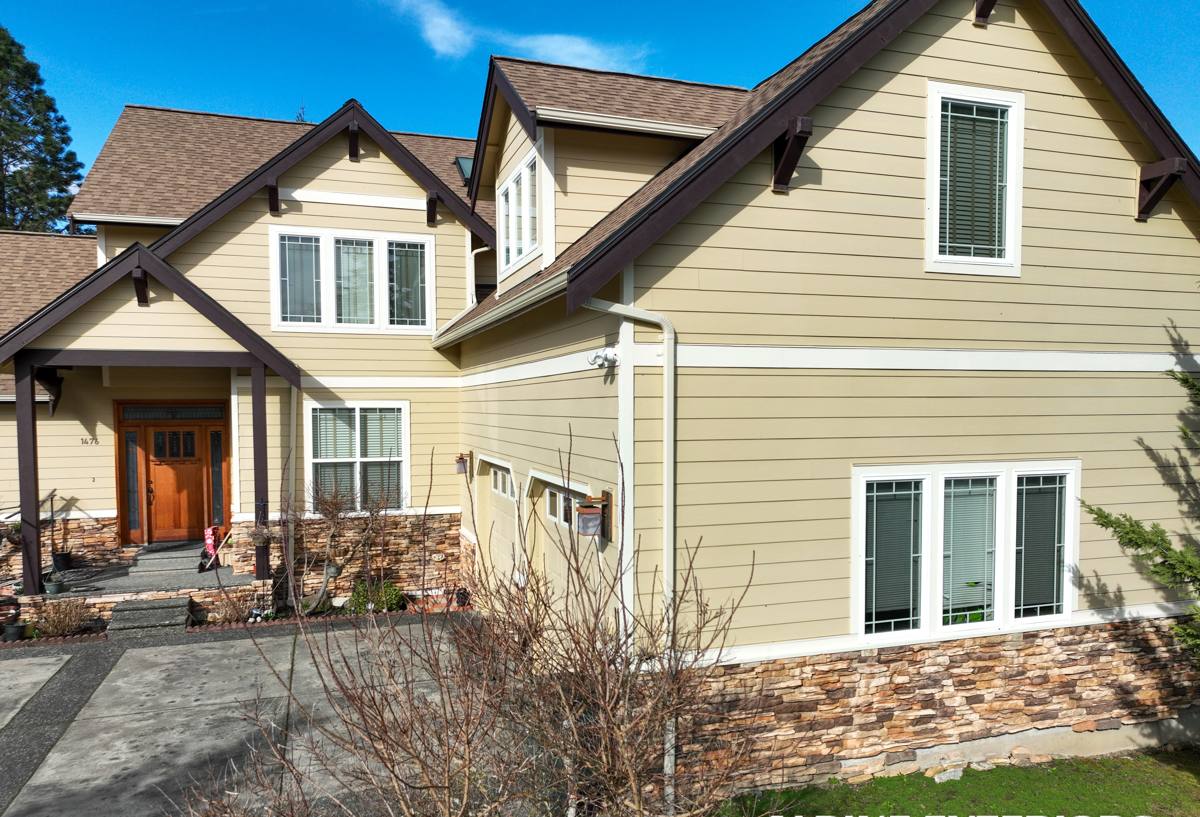
 A roof does more work in Skyline than it does almost anywhere else in Anacortes. Sitting up on the bluff with open exposure toward the water, homes in this neighborhood take wind, salt-laden air, and a moss season that can run most of the year, and all of it lands on the roof first. When we put a new roof on a Skyline home, we're not just laying shingles over a deck — we're building a system that has to hold up to conditions a lot of inland Skagit County roofs never see.
What Skyline's Exposure Does to a Roof
Wind off the water hits roofs on the bluff harder and more often than roofs sheltered by terrain or tree cover farther into town. That wind carries rain sideways, not straight down, which means it works its way under shingle tabs and into laps and valleys that a calmer climate would never test. Salt air speeds up corrosion on exposed fasteners, flashing, and vent components, especially anything that wasn't rated for coastal exposure to begin with. And where mature evergreens shade a roof slope, that section stays damp longer after every rain, which is exactly what moss and algae need to get established and spread.
None of that means a Skyline roof needs exotic materials or gimmicks. It means the ordinary parts of a roofing system — underlayment, flashing, fastening, ventilation — have to be done right, with no shortcuts, because this location will find every weak point faster than most.
Signs a Skyline Roof Needs Replacing, Not Just Patching
- Granule loss or bald patches, especially on the slopes that face the wind and water
- Moss growing in thick mats rather than light surface film, lifting shingle edges as it spreads
- Soft spots, sagging, or a spongy feel underfoot when we walk the roof
- Staining or daylight visible on the underside of the roof deck from inside the attic
- A history of repeated patch repairs that keep reopening in the same spots
- Shingles that are curling, cracking, or losing their seal, particularly along wind-exposed edges
What a Correct New Roof Installation Involves
A new roof starts at the deck, not the shingles. On older, under-ventilated roofs in this neighborhood, it's common to find plywood or sheathing that's gone soft or delaminated from years of trapped moisture, and that has to be identified and replaced before anything new goes down — covering damaged decking with new shingles just hides the problem for a few more years. Once the deck is sound, the underlayment and flashing package is where a roof either holds up to Skyline's exposure or doesn't.
We use synthetic underlayment across the full roof and self-adhered ice-and-water shield along eaves, valleys, and around every penetration — chimneys, vents, skylights. In a lot of the country that membrane is there for snow and ice dams; here, its real job is stopping wind-driven rain that gets forced backward under the shingle field, which is exactly the kind of weather a bluff-facing roof deals with regularly. Fastening pattern matters too — a nailing schedule and fastener spacing built for higher wind exposure holds up better on an open lot than the minimum a calmer site could get away with.
Skagit County and the City of Anacortes require a permit for a full roof replacement, and a legitimate contractor pulls it rather than skipping the step — it triggers an inspection that can catch decking or structural issues a homeowner would never spot from the ground. Anyone offering to skip the permit to save time or money is cutting a corner that's meant to protect you, not the contractor.
Timing the Work Around Our Weather
Roofing can happen here most of the year, but a long stretch of dry weather makes for a cleaner tear-off and install, which is why spring through early fall tends to be the busiest season for roof replacements in Skagit County. That doesn't mean winter work is off the table — it just means more careful sequencing, tarping off open sections at the end of each work day, and watching the forecast closely so the deck is never left exposed longer than it has to be. If you're planning ahead, booking a Skyline roof replacement before the wettest months hit gives the most flexibility on scheduling and the least weather risk during the job itself.
Ventilation: The Detail That Gets Skipped
Balanced ventilation — intake at the soffits, exhaust at the ridge — keeps the roof deck dry from the inside the same way good flashing keeps it dry from the outside. On a shaded, damp lot like a lot of Skyline properties, that balance matters more than usual. A roof that can't breathe traps moisture in the attic, which shortens the life of the decking and the shingles above it and creates the kind of persistent dampness that moss and mildew thrive on. It's one of the cheapest parts of a roofing job to get right and one of the most common things we find missing or undersized on older installations.
Choosing a Roofing Material for a Marine Climate
Most Skyline homes are well served by a quality architectural (dimensional) asphalt shingle from a manufacturer like GAF, CertainTeed, or Owens Corning — algae-resistant lines with copper- or zinc-infused granules are worth the small upgrade in a moss-prone spot like this. For homes with more direct exposure or an owner who wants the lowest possible long-term maintenance, metal and synthetic options are worth a look too. Here's how the common choices stack up for a bluff-facing lot:
| Material | Upfront Cost | Maintenance in This Climate | Fit for Skyline |
|---|---|---|---|
| 3-tab asphalt shingles | Lower | Shorter lifespan, more wear from wind and moss | Not something we recommend for direct bluff exposure |
| Architectural asphalt shingles | Moderate | Algae-resistant lines available; periodic cleaning | Solid all-around choice for most Skyline homes |
| Synthetic/composite shake | Higher | Low maintenance, more moisture-resistant than real wood shake | Good option where style and durability both matter |
| Standing seam metal | Highest | Very low maintenance, sheds moss and water efficiently | Strong long-term choice on heavily exposed or moss-prone lots |
| Low-slope membrane (modified bitumen/TPO) | Varies | Used only where pitch is too low for shingles | Applies to porch roofs or additions, not the main roof field |
Moss and Algae Prevention Built Into the Install
Moss control on a Skyline roof works best when it's designed in rather than added on after the fact. Algae-resistant shingles are one piece of that. Zinc or copper strips installed near the ridge are another — rain washing over them carries trace metal down the roof slope, which discourages regrowth on the areas below. Good ventilation helps by keeping the deck and attic drier, and roof geometry matters too: valleys and low-slope sections that hold water and debris the longest are usually where moss establishes first, so getting flashing and drainage right in those spots pays off twice.
None of this eliminates moss entirely on a shaded lot — trees don't move and neither does the coastline — but it changes how fast it comes back and how much of it takes hold. Keeping gutters and valleys clear and trimming back branches that shade a roof slope are the ongoing maintenance pieces that keep a well-built system working the way it's supposed to.
Flashing and Water Management: Where Skyline Roofs Actually Fail
In our experience, it's rarely the shingle field itself that causes a leak on a bluff-exposed roof — it's the flashing details around it. Valley flashing has to move a lot of water fast during a driving rain without backing up under adjacent shingles. Step flashing where a roof meets a wall, and chimney flashing where it meets masonry, both need to be layered correctly with the roofing material rather than just caulked and hoped for. Kick-out flashing at the bottom of a roof-to-wall intersection is a small piece that gets skipped often but does an important job — without it, water running down the roof slope gets directed straight into the siding instead of into the gutter, which is a common source of hidden rot on older homes we've inspected here. Drip edge along eaves and rakes finishes the job by keeping water off the fascia and out of the edge of the deck.
Get those details right and a roof handles Skyline's weather for decades. Skip or shortcut them and even good shingles won't save the assembly underneath.
Our Installation Process
- On-site inspection and estimate, including a look at the attic and current ventilation, not just the roof surface
- Tear-off of the old roofing material down to the deck
- Decking inspection, with any soft, rotted, or delaminated sheathing replaced before moving forward
- Installation of underlayment, ice-and-water shield at eaves and valleys, and all flashing components
- Installation of the new roofing material to manufacturer specification
- Ventilation components installed or upgraded so intake and exhaust are properly balanced
- Full cleanup, including a magnetic sweep for stray nails and staples
- Final walkthrough with the homeowner and warranty paperwork
Why a Crew That Already Works Skyline Matters
Skagit County's coastal weather isn't the same from one neighborhood to the next, and Skyline's particular combination of elevation, water exposure, and tree cover is something you learn from doing roofs here repeatedly, not from a spec sheet. We know which slopes take the brunt of a winter blow, which lots are going to fight moss no matter what shingle goes down, and which flashing details actually matter on this kind of site versus which ones are just code minimums. That shapes how we scope a Skyline roofing job before a single shingle is pulled.
It also means fewer surprises with the practical side of the job — narrow or steep driveways, tree cover that limits where we can stage material or set up safely, and bluff-lot access that isn't always straightforward. Those are things we've already worked around on other roofs in this neighborhood, so they don't turn into delays or change orders on yours.
What to Expect From a Roofing Estimate
- A full walk-around and attic inspection, not just a look from the ground
- An honest read on whether the roof needs full replacement or can be reasonably repaired
- A clear explanation of which material and ventilation setup fits your specific exposure and budget
- A written scope and estimate, with no pressure to sign on the spot
If your Skyline home has a roof that's showing granule loss, heavy moss, staining in the attic, or is simply getting old, we're happy to take a look. Reach out for a free, no-pressure estimate — we'll give you a straight read on what your roof actually needs and why.