 Anacortes Siding
 Roofing in a Waterfront Corner of Anacortes
Ship Harbor sits right where Anacortes meets the water, and that location shapes everything about how a roof ages here. Homes in this part of Skagit County deal with a combination most inland neighborhoods never see: salt-laden air moving off the water, wind-driven rain that gets pushed sideways under standard flashing details, and a shaded, moisture-heavy tree line that keeps moss and algae active for most of the year. None of that means a roof is doomed — it means the repair has to account for conditions a generic patch job usually ignores.
We do roof repair work throughout the Anacortes area, and Ship Harbor's mix of waterfront exposure and mature tree cover is one of the more demanding combinations we see. A repair that would hold up fine in a dry, open subdivision can fail early here if it isn't detailed for salt exposure and near-constant dampness. That's the standard we hold our work to.
Why the Local Climate Is Hard on Roofs
Salt Air and Metal Fatigue
Airborne salt accelerates corrosion on exposed metal — flashing, fasteners, vent caps, gutter hardware. Ordinary galvanized fasteners and unsealed cut edges on flashing are common weak points near the water. Over years, that corrosion can loosen fastener grip and open tiny gaps at flashing seams long before the roofing material itself is worn out.
Driving Rain and Wind Direction
Storms coming off the water often arrive with sustained wind, which pushes rain sideways instead of straight down. Roofing details that rely on gravity alone — a slightly under-lapped shingle course, a flashing edge without proper counter-flashing — get tested harder here than in a typical inland yard. Leaks in these conditions often show up at transitions: chimneys, skylights, wall-to-roof junctions, and low-slope sections.
Moss, Shade, and a Long Wet Season
Western Washington's wet season is long to begin with, and shaded or tree-lined lots near Ship Harbor stay damp even longer between dry spells. That's ideal growing conditions for moss and algae, which hold moisture against the roofing surface, work into shingle tabs and shake butts, and can lift material enough to let water underneath.
Signs a Ship Harbor Roof Needs Repair
Most roof problems here don't start as a dramatic leak — they start small and get worse through a few wet seasons. Watch for:
- Granules collecting in gutters or at downspout outlets (a sign of shingle wear)
- Moss or dark streaking concentrated on north-facing or shaded slopes
- Soft or discolored ceiling patches, especially near chimneys, skylights, or exterior walls
- Visibly lifted, cracked, or missing shingle tabs after a windy storm
- Rust staining below metal flashing or vent stacks
- Daylight visible through the roof deck from inside an attic
- Gutters pulling away from the fascia, which redirects water back under the roof edge
Catching these early is almost always cheaper than waiting. A small flashing repair or a section of replaced shingles is a fraction of the cost of fixing rotted decking or damaged interior framing after water has been getting in unnoticed.
What a Correct Repair Actually Involves
A roof repair is only as good as the diagnosis behind it. Patching over a symptom — nailing down a lifted shingle without finding why it lifted — tends to fail again within a season or two, especially in a wet, wind-exposed area like this one. Our approach starts with tracing the actual water path, not just the spot where a stain appeared inside the house, since water often travels along rafters or sheathing before it shows up on a ceiling.
Deck and Structure Check
Before any new material goes down, we check the roof deck itself. Soft, delaminating, or discolored sheathing needs to be cut out and replaced — covering it up just traps the problem under new roofing.
Flashing Done Right
Flashing failure is the single most common cause of the leaks we get called out for near the water. That includes step flashing at walls, counter-flashing at chimneys, valley metal, and pipe boot seals, which tend to crack from UV exposure well before the surrounding roofing wears out.
Matching Materials Correctly
Where we're repairing rather than replacing a whole roof, matching the existing material's type, weight, and, where possible, color matters — mismatched patches age differently and can actually accelerate wear at the seam between old and new.
Roofing Materials in the Area: Repair Considerations
What a roof is made of changes how it should be repaired, especially under coastal conditions. Here's how the common options compare for repair work in a salt-air, high-moisture setting like Ship Harbor:
| Material | Repair Considerations Near the Water | Moss/Algae Resistance |
|---|---|---|
| Asphalt composition shingle | Most common, straightforward to patch section-by-section; granule loss is the main early wear sign | Moderate — benefits from zinc/copper strips or periodic cleaning |
| Wood shake/shingle | Repairs need careful matching and attention to underlayment; more sensitive to sustained moisture | Lower — retains moisture longer, needs more active maintenance |
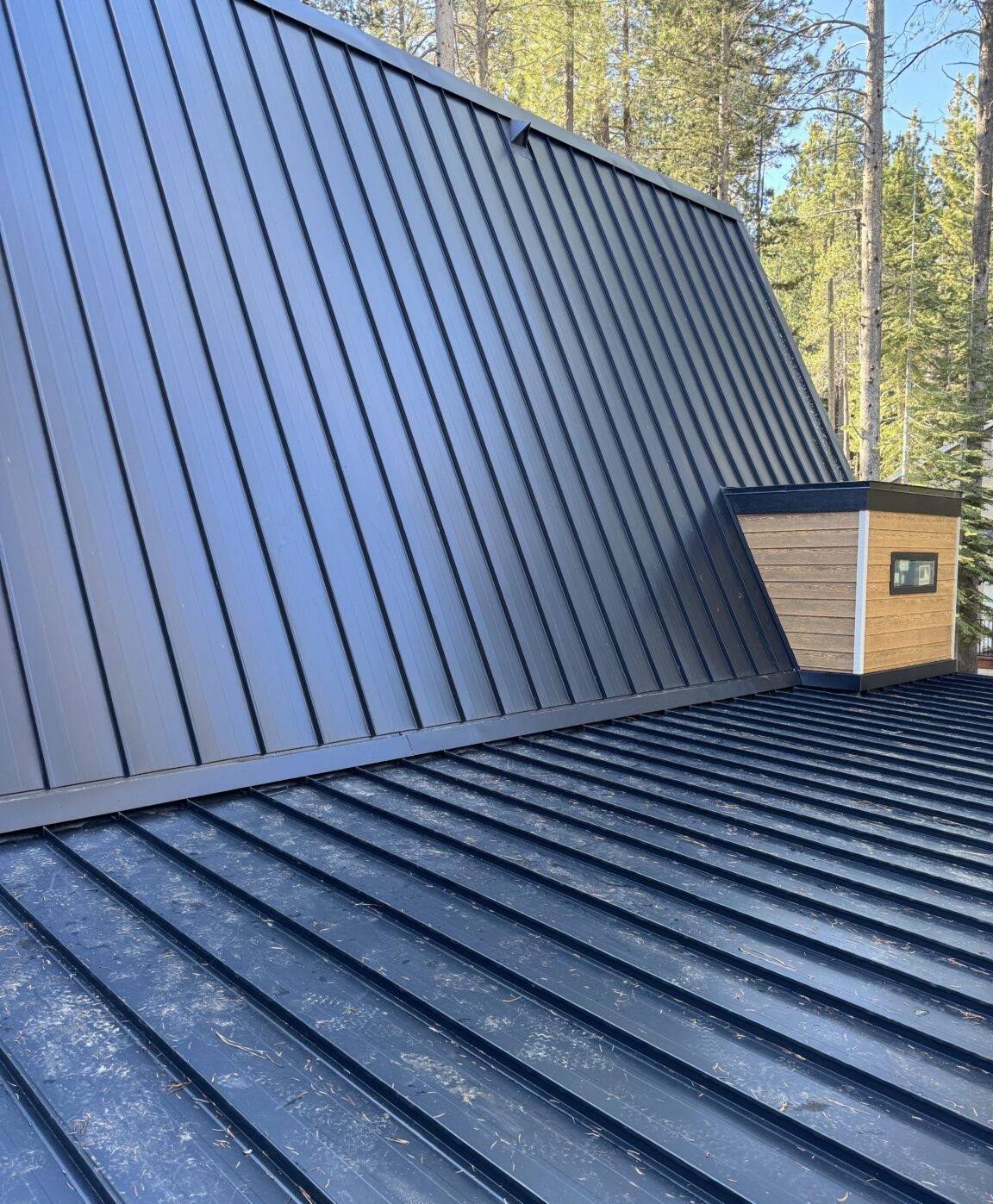
| Standing seam metal | Fastener and sealant condition matter more than the panels themselves; salt-air corrosion is the main concern | High — sheds moss and debris well when slope allows |
| Torch-down/membrane (low-slope) | Seam integrity is everything; ponding water at repairs is the top failure point | Moderate — depends on drainage design |
How Our Repair Process Works
1. On-Site Inspection
We walk the roof and the attic where accessible, checking flashing points, valleys, penetrations, and the general condition of the roofing material — not just the spot the homeowner flagged.
2. Honest Diagnosis
We explain what we found in plain terms: what's causing the issue, what a proper repair involves, and whether the roof's overall age and condition mean repair is still the right call versus starting to plan for replacement.
3. A Written Scope
Before any work starts, you get a clear description of what's being repaired and why — no vague line items.
4. The Repair Itself
We remove and address the actual damaged area — deck, flashing, and roofing material as needed — rather than layering a patch over an unresolved problem.
5. Cleanup and Final Check
Debris and old material are cleared, and we do a final check of the repaired area and surrounding roofing before calling the job done.
Repair vs. Replacement: Making the Right Call
Not every roof problem near Ship Harbor needs a full replacement, but not every roof is a good candidate for another round of patching either. Generally, repair makes sense when the damage is localized, the roofing material still has useful life left, and the deck underneath is sound. Replacement becomes the more honest recommendation when a roof has multiple failure points across different sections, the material is past its expected service life, or repeated repairs in the same area point to a systemic issue like inadequate ventilation trapping moisture under the roofing.
We'll tell you plainly which situation you're in. A roof repair that's really just delaying an unavoidable replacement isn't a good use of your money, and we'd rather say so up front.
Ongoing Maintenance That Protects the Repair
A repair holds up longer when the rest of the roof isn't working against it. In a moss-prone, tree-shaded area like Ship Harbor, a little seasonal attention goes a long way:
- Clear gutters and downspouts before the fall rains start, and again mid-winter if trees are nearby
- Remove moss growth gently — scraping or pressure-washing can damage granules and shorten shingle life
- Trim back overhanging branches to reduce shade, debris, and physical abrasion on the roofing
- Check attic ventilation; poor airflow traps moisture and speeds up rot from the inside
- Have flashing and seals inspected every couple of years, especially after a hard windstorm
Why Local Experience Matters for This Job
Roof repair looks like a simple trade until you're the one deciding whether a leak near Ship Harbor's marine air is a flashing failure, a ventilation problem, or moss holding moisture where it shouldn't be. Crews who work this area regularly recognize the failure patterns specific to coastal Skagit County conditions — corroded fasteners before they become a bigger issue, valley flashing under-built for sideways rain, moss doing damage before it's visibly obvious from the ground. That local pattern recognition is what keeps a repair from being a temporary fix.
If you're dealing with a leak, storm damage, or just want an honest opinion on your roof's condition, we're glad to take a look. Reach out for a free, no-pressure estimate using the form below — we'll assess the roof, explain what we find, and give you a straightforward recommendation either way.