 Anacortes Siding
 Old Town Anacortes Roofs Take a Different Kind of Beating
Old Town Anacortes sits close to the water, which means its roofs deal with a combination most inland Skagit County homes don't: salt-laden air off Fidalgo Bay and Guemes Channel, wind that comes off the water with real force during winter storms, and long stretches of damp, shaded weather that keep roof surfaces wet for days at a time. Add in the older housing stock common in this part of Anacortes — plenty of homes with roofs that have been re-covered once or twice over the decades, sometimes over layers that were never fully addressed — and you get a neighborhood where storm damage doesn't always look dramatic from the ground. It shows up as a handful of lifted shingles, a soft spot near a chimney flashing, or a slow drip that only shows up during a hard southwesterly blow.
We repair storm-damaged roofs across Anacortes and the surrounding area, and Old Town's older roof lines, mixed roof pitches, and proximity to salt spray mean this work calls for a slightly different eye than a straightforward suburban re-roof. This page walks through what storm damage actually looks like on homes here, what a correct repair involves, and how we handle the job from first inspection to final cleanup.
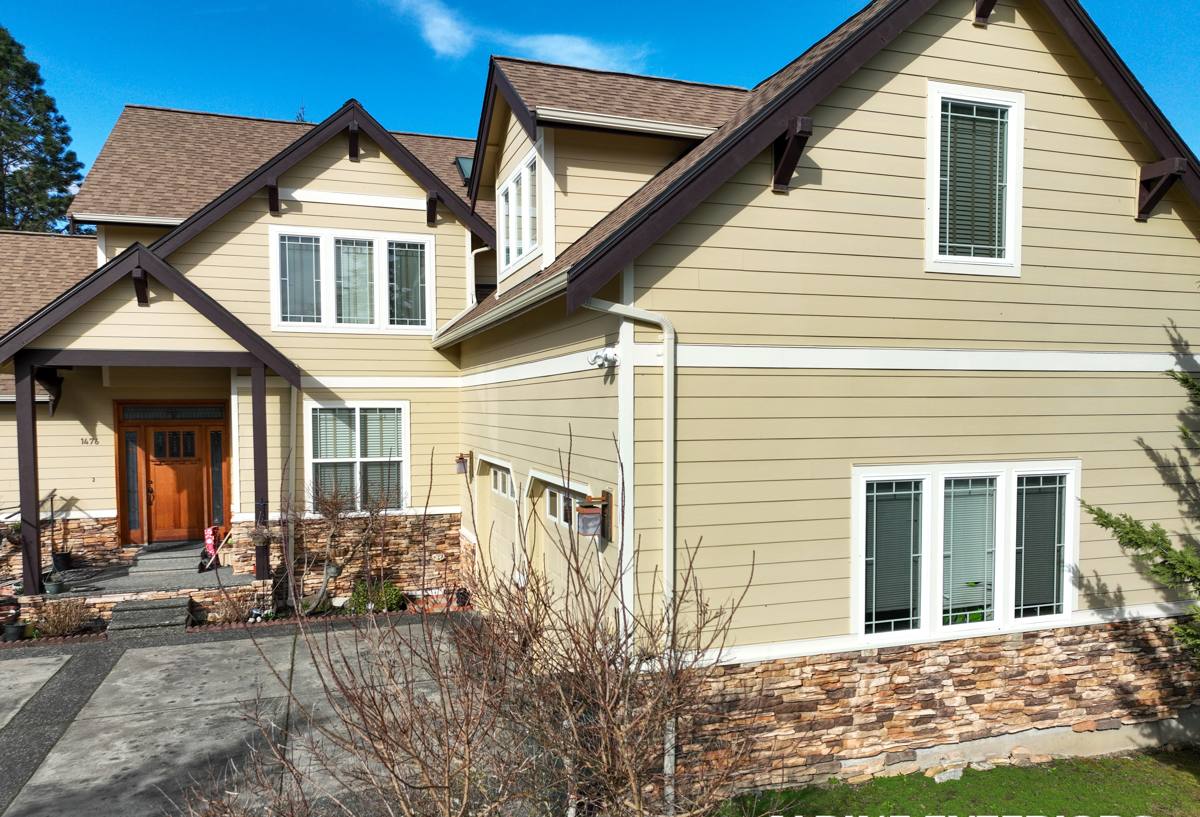
What Storm Damage Actually Looks Like on These Roofs
Wind and rain damage rarely announces itself with a hole in the roof. More often it's a combination of smaller failures that add up to a leak weeks or months later. On Old Town roofs, the most common damage we find after a storm includes:
- Shingles lifted or creased along their tab edges from sustained wind, even if none actually blew off
- Flashing around chimneys, dormers, and roof-to-wall transitions pulled loose or bent by wind uplift
- Granule loss on older asphalt shingles, accelerated by driving rain and left exposed after a storm strips surface debris away
- Moss and organic buildup in valleys and north-facing slopes that traps moisture against the roof deck after wind-driven rain
- Gutter and downspout separation, which redirects water back under the roof edge instead of away from the house
- Soft or discolored decking visible from the attic side, usually near a plumbing vent or valley where water has been working its way in slowly
Because Old Town has a mix of roof ages and roof types, two houses on the same block can come through the same storm with very different damage. A roof that was already due for attention before the wind hit will show problems fast; a newer or well-maintained roof might come through with only cosmetic issues that are still worth documenting and fixing before the next storm finds the weak spot.
Why Salt Air and Moss Season Matter More Here
Anacortes' location on Fidalgo Island means salt air is a constant, low-level stress on every exterior material, roofing included. Metal fasteners, flashing, and drip edge corrode faster near the water than they do a few miles inland, and that corrosion is often what actually fails during a storm — not the shingle itself, but the nail or flashing seam holding it down. When we assess storm damage in Old Town, we look closely at fastener and flashing condition, not just the shingles, because a roof can look fine from the street while its hardware is quietly weakening underneath.
The region's long moss season is the other factor that sets this area apart. Shade from mature trees, combined with months of damp weather, lets moss and moisure-holding debris build up on north- and east-facing roof slopes. Moss doesn't just look bad — it holds water against the shingle surface, works its way under tabs, and lifts them slightly over time. A roof with heavy moss going into a storm is far more likely to suffer wind damage, because the shingles are already loosened at the edges. Any honest storm repair in this neighborhood has to deal with moss and moisture patterns, not just patch the visible damage and move on.
What a Correct Storm Damage Repair Actually Involves
A repair that only replaces the shingles you can see from the ground is a repair that's likely to fail again in the next storm. A correct job starts underneath and works outward:
1. Deck inspection first
Before any new material goes down, we check the roof deck in the affected area for soft spots, delamination, or water staining. Replacing shingles over a compromised deck just hides the problem for another season.
2. Flashing and fastener check
Given how salt air affects hardware here, we inspect flashing at every penetration and transition point near the damage — chimneys, vents, valleys, wall step-flashing — and replace anything showing corrosion or lift, not just what's directly in the damaged section.
3. Matching materials properly
Storm repairs need to tie into the existing roof correctly — matching shingle profile and course lines, not just the closest color available. A patch that doesn't tie in properly creates a new water path right at the repair edge.
4. Moss and debris clearing
If moss or organic buildup contributed to the damage, we clear it from the repair area and surrounding slopes as part of the job, since leaving it in place undermines the new work almost immediately.
5. Ventilation check
Trapped moisture from poor attic ventilation accelerates deck rot and shortens the life of any repair. When we're already up on the roof, we check that intake and exhaust venting are functioning, especially on older Old Town homes where ventilation was often minimal by today's standards.
Our Process, Start to Finish
We keep storm repair straightforward because homeowners dealing with a leak don't need extra steps between them and a dry roof:
- Inspection and documentation. We assess the full roof, not just the obvious damage, and photograph findings for your records and any insurance claim.
- Written scope and estimate. You get a clear description of what's damaged, what needs to be repaired, and what it costs — no vague allowances.
- Temporary protection if needed. If there's active leaking, we can tarp or seal vulnerable areas to stop water intrusion while repair materials are sourced.
- Repair. Deck, flashing, and shingle work completed to tie in cleanly with the existing roof.
- Cleanup and walk-through. Debris, old material, and nails cleared from the property, with a final review of the completed work.
Storm Repair vs. Full Re-Roof: How We Help You Decide
Not every storm-damaged roof needs replacing, but not every damaged roof should just be patched, either. The right call depends on the roof's age, how widespread the damage is, and what we find once we're actually looking at the deck and flashing. Here's a general comparison of the factors we weigh:
| Factor | Favors Repair | Favors Full Re-Roof |
|---|---|---|
| Roof age | Under 15 years, in otherwise good condition | Near or past expected shingle lifespan |
| Extent of damage | Localized to one slope or section | Multiple slopes or widespread granule loss |
| Deck condition | Solid, no rot found during inspection | Soft spots or rot found in more than one area |
| Moss/moisture history | Minor, manageable with cleaning | Chronic moss with visible shingle lifting throughout |
| Prior repairs | First significant repair on this roof | Roof already has multiple past patch repairs |
We'll always tell you honestly which side of this table your roof falls on, including when a repair is the right, more cost-effective answer — we don't push replacement when repair will genuinely hold up.
Insurance and Documentation
Storm damage repairs are often tied to a homeowner's insurance claim. We provide detailed photo documentation and a written scope of damage that you can submit to your insurer, and we're glad to walk through the findings with you before you file. We don't inflate damage assessments to pad a claim — our documentation reflects exactly what we find, because an accurate scope protects you if there's ever a dispute about what was storm-related versus pre-existing wear.
What to Do Right After a Storm
If you suspect storm damage after a windstorm or heavy rain event, a few simple steps protect your home and make any repair or insurance process smoother:
- Check the attic for new water stains, damp insulation, or daylight where there shouldn't be any
- Look at gutters and the ground below roof edges for shingle granules or shingle pieces
- Note any visible lifted, missing, or curled shingles from the ground — avoid climbing onto the roof yourself
- Photograph anything you notice, including date and general weather conditions
- Address active leaks quickly with temporary interior measures (buckets, moving belongings) while waiting for inspection
- Call for an inspection before the next storm arrives, since damaged areas fail faster under repeated wind and rain
Why It Matters to Hire a Crew That Already Works Old Town Anacortes
Storm repair on this side of Anacortes benefits from familiarity with the neighborhood's specific conditions — the salt exposure off the water, the shaded slopes that hold moss longest, and the older roof systems that are common on Old Town's housing stock. A crew that works here regularly knows to check fastener corrosion before it's obvious, knows which roof orientations in this neighborhood tend to hold moisture, and can tell the difference between fresh storm damage and long-standing wear that a storm simply exposed. That local pattern recognition means a more accurate inspection, a repair scope that actually addresses the cause, and fewer surprises once the work is underway.
If your Old Town Anacortes home has storm damage, or you just want a roof checked after a recent windstorm, we're glad to take a look. Reach out for a free, no-pressure estimate using the form below — we'll give you a straight answer about what's actually going on with your roof and what it would take to fix it right.