 Anacortes Siding
 Windows in Bow Take a Different Kind of Beating
Bow sits in that in-between stretch of Skagit County where farmland meets tidal water, and the weather doesn't pick a lane. Homes here get salt-laden air drifting off the Salish Sea, driving rain that comes in sideways during winter fronts, and a moss season that seems to stretch longer every year. None of that is dramatic on its own, but stacked together over years, it's exactly the combination that finds every weak point in a window installation — the seal that's slightly off, the flashing that was never quite right, the frame material that wasn't built for constant moisture cycling.
We've replaced windows on plenty of homes around Anacortes and the smaller communities that ring it, including Bow, and the pattern repeats: windows that would last 25-30 years in a drier inland climate start failing at 15-18 years here. That's not a knock on any particular product — it's just what happens when wood-frame or poorly-sealed vinyl windows sit in a marine climate year-round. Replacing them well the first time matters more here than almost anywhere else in the state.
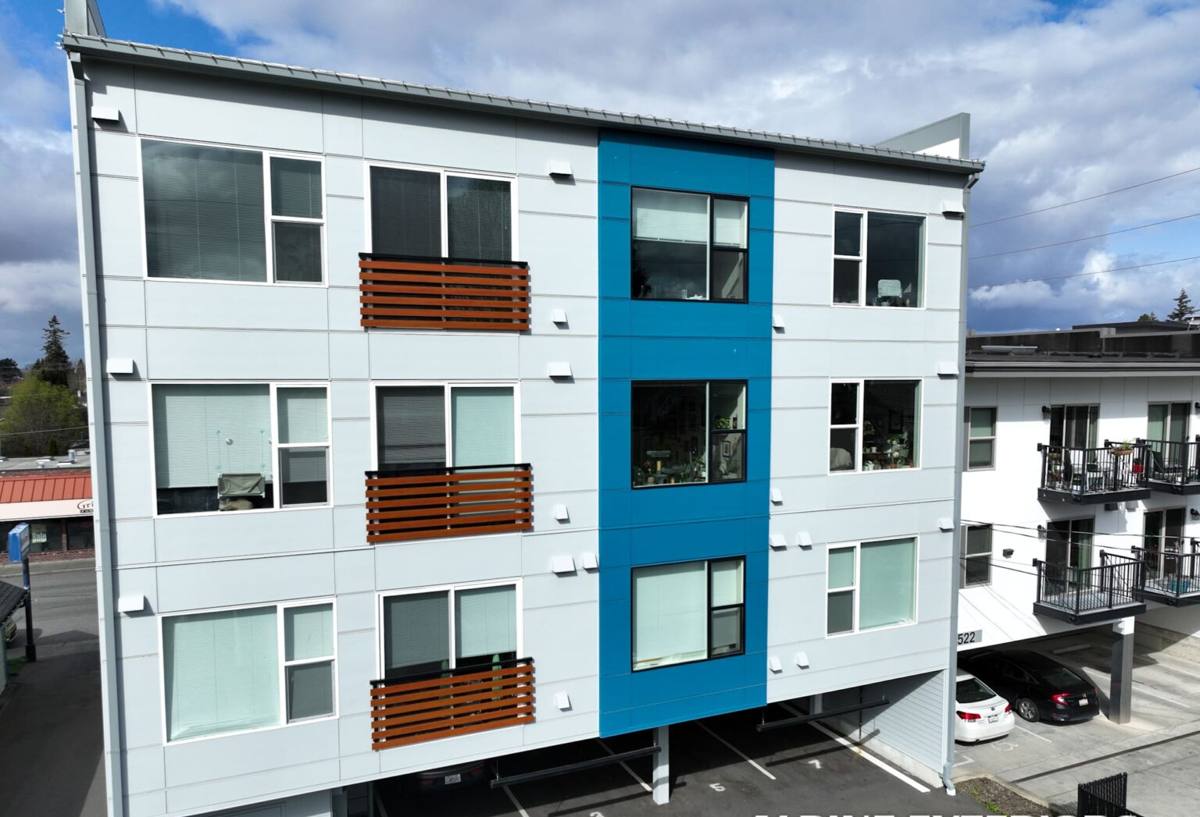
How Bow's Climate Wears Down a Window
Salt Air and Metal Components
Salt in the air accelerates corrosion on window hardware — hinges, cranks, balance systems, and screws — faster than most manufacturers' standard warranties account for. Aluminum-clad and vinyl frames resist this better than bare wood or lower-grade metal hardware, but even good products need proper drainage so salt residue doesn't sit and concentrate on the sill.
Driving Rain and Wind-Driven Moisture
This part of Skagit County gets rain that doesn't just fall — it gets pushed sideways into siding and window openings during winter storms. A window that's watertight in a light, straight-down rain can still leak under wind-driven conditions if the flashing, sill pan, and sealant details weren't done correctly. This is where most "why is my window leaking" calls actually originate: not a bad window, but a bad install around a decent window.
Moss, Algae, and Prolonged Dampness
A long moss season means extended periods where wood trim, sills, and even some composite materials stay damp far longer than they would in a drier climate. That prolonged moisture exposure is what actually causes rot — not a single storm, but months of surfaces that never fully dry out. Window materials and detailing that shed water quickly and dry fast hold up far better here than ones that trap moisture against wood.
Signs a Bow Home Needs Window Replacement
- Visible fog or moisture trapped between panes of double-glazed glass
- Soft, spongy, or discolored wood trim or sill at the window opening
- Drafts you can feel near the frame even with the window fully latched
- Windows that are difficult to open, close, or lock — often from swelling or hardware corrosion
- Visible gaps, cracking, or failed caulk between the window frame and siding
- A noticeable jump in heating costs without any other explanation
- Condensation forming consistently on interior glass during cooler months
Any one of these on its own might just need a repair. Several of them together, especially on a home that's 15+ years old, usually points to replacement being the more honest recommendation — repeatedly patching a failing window costs more over time than doing the job right once.
What a Correct Window Replacement Job Actually Involves
The window itself is maybe half the job. The other half — the part that determines whether it lasts 25 years or 10 — is the installation detailing around it. In a climate like Bow's, we treat these steps as non-negotiable:
- Full assessment of the existing opening before removal, checking for hidden rot or moisture damage in the framing.
- Removal of the old window without damaging surrounding siding or trim more than necessary.
- Correcting any rotted or compromised framing found underneath — this gets addressed and disclosed, not covered over.
- Sill pan flashing installed with proper slope so any water that does get past the window drains back outside instead of pooling in the frame.
- Weather-resistant barrier integration — the flashing has to tie into the existing house wrap correctly, shingle-style, so water always moves downward and outward.
- Window set level, plumb, and square, shimmed correctly so it operates smoothly and seals evenly for its whole service life.
- Low-expansion foam and backer rod insulation around the frame — not just caulk — to control both air infiltration and moisture.
- Exterior sealant and trim finished to shed water, not just to look finished.
Skip any one of these steps and the window can look perfect for a year or two before problems show up. This is the part of the job that's invisible once it's done — which is exactly why it needs to be done right the first time.
Choosing Window Materials for Bow's Conditions
There's no single "best" window brand or material for every home — it depends on the home's exposure, budget, and how the existing structure is built. Here's how the common options generally hold up in a marine climate like Bow's:
| Material | Moisture Resistance | Maintenance | Typical Fit for Bow |
|---|---|---|---|
| Vinyl | Good — won't rot, resists salt corrosion | Low | Solid, budget-friendly choice for most homes |
| Fiberglass | Very good — dimensionally stable in temperature swings | Low | Strong option for waterfront or high-exposure sites |
| Wood (unclad) | Poor without diligent upkeep | High | Only recommended with a strong maintenance commitment |
| Aluminum-clad wood | Good exterior protection, wood interior warmth | Moderate | Good for homes wanting a wood look with better weather protection |
| All-aluminum | Fair — can conduct cold and corrode without coating | Moderate | Less common for residential in this climate |
We'll talk through what fits your specific home rather than defaulting to one material for every job. A shaded, inland-facing Bow property has different needs than one with direct exposure toward the water.
What Drives the Cost of a Window Replacement
Every home is different, but the same handful of factors move the price up or down on most jobs:
| Factor | Why It Matters |
|---|---|
| Full-frame vs. insert replacement | Full-frame costs more but is often necessary when there's frame damage or you're changing window size |
| Number and size of openings | Larger and more numerous windows increase material and labor time |
| Hidden rot or framing damage | Discovered once the old window is out; adds material and labor to repair properly before the new window goes in |
| Material choice | Vinyl, fiberglass, and clad-wood windows sit at different price points |
| Glass package | Upgraded low-E coatings or gas fills add cost but improve comfort and efficiency |
| Access and site conditions | Second-story windows or tight access can add labor time |
We won't quote a number over the phone without seeing the home — too much of the real cost depends on what's happening behind the existing trim. What we will do is give you a straight, itemized estimate once we've actually looked at the openings.
Our Process, Start to Finish
We keep this simple and try not to make it feel like a sales process:
- Free on-site estimate — we look at each window opening, check for existing moisture or rot, and talk through material and budget options.
- Written estimate with the scope, materials, and price spelled out — no vague allowances.
- Scheduling that accounts for Skagit County's weather windows, since install quality depends on working in reasonably dry conditions.
- Installation following the full-frame or insert method appropriate to your home's condition, with any hidden damage addressed and communicated before we close things up.
- Final walkthrough so you can operate every window, check the finish work, and ask questions before we call it done.
Why It Matters That We Already Work in Bow
A crew that regularly works Anacortes and the surrounding Skagit County communities, Bow included, isn't guessing at what this climate does to a house. We know to expect softer framing on older homes near the water, we know moss buildup on north-facing trim isn't cosmetic — it's a moisture signal — and we know which install details actually matter here versus what's fine in a drier part of the state. That local pattern recognition is worth more than a lower bid from a crew that's never dealt with a Puget Sound winter.
It also means we're not a stranger showing up once. If a question comes up after the install, we're a local call, not a company that's moved on to the next region.
After Your New Windows Are In
Good windows still need a little upkeep in this climate to get their full lifespan. A short seasonal checklist keeps small issues from becoming big ones:
- Rinse salt residue off frames and glass a few times a year, especially after storms
- Clear moss and debris from sills and nearby trim before it holds moisture against the frame
- Check and clean weep holes so water drains out instead of pooling
- Inspect exterior caulking annually and touch up any cracking before winter
- Operate each window periodically so hardware doesn't seize from disuse
If you're noticing drafts, fogged glass, soft trim, or windows that just aren't operating the way they used to, it's worth having them looked at before another wet season adds to the damage. We're happy to come take a look at your Bow home, walk you through what we find, and put together a free, no-pressure estimate — no obligation, just a straight answer about what your windows actually need.