 Anacortes Siding
 Windows Built for Edison's Weather, Not Just Its Openings
Edison sits low in the Skagit Valley, close enough to Samish Bay and the surrounding tidal flats that salt-laden air, wind-driven rain, and long stretches of damp, low-light winter are just part of living there. Windows in this part of Skagit County work harder than windows almost anywhere else in the state. They take on-shore wind, condensation from cool, humid air meeting warm interior rooms, and months of moss and algae growth on anything that holds moisture. A window that would hold up fine in a drier inland climate can start failing here in a fraction of the time.
"Custom" windows aren't about fancy shapes or upgraded trim packages — though we do that too. For most Edison homes, custom means a window built to the exact, often irregular, opening of an older farmhouse or converted outbuilding, sealed and flashed correctly for a climate that punishes shortcuts. That's the job we focus on here: getting the fit, the seal, and the materials right for this specific stretch of Skagit County.
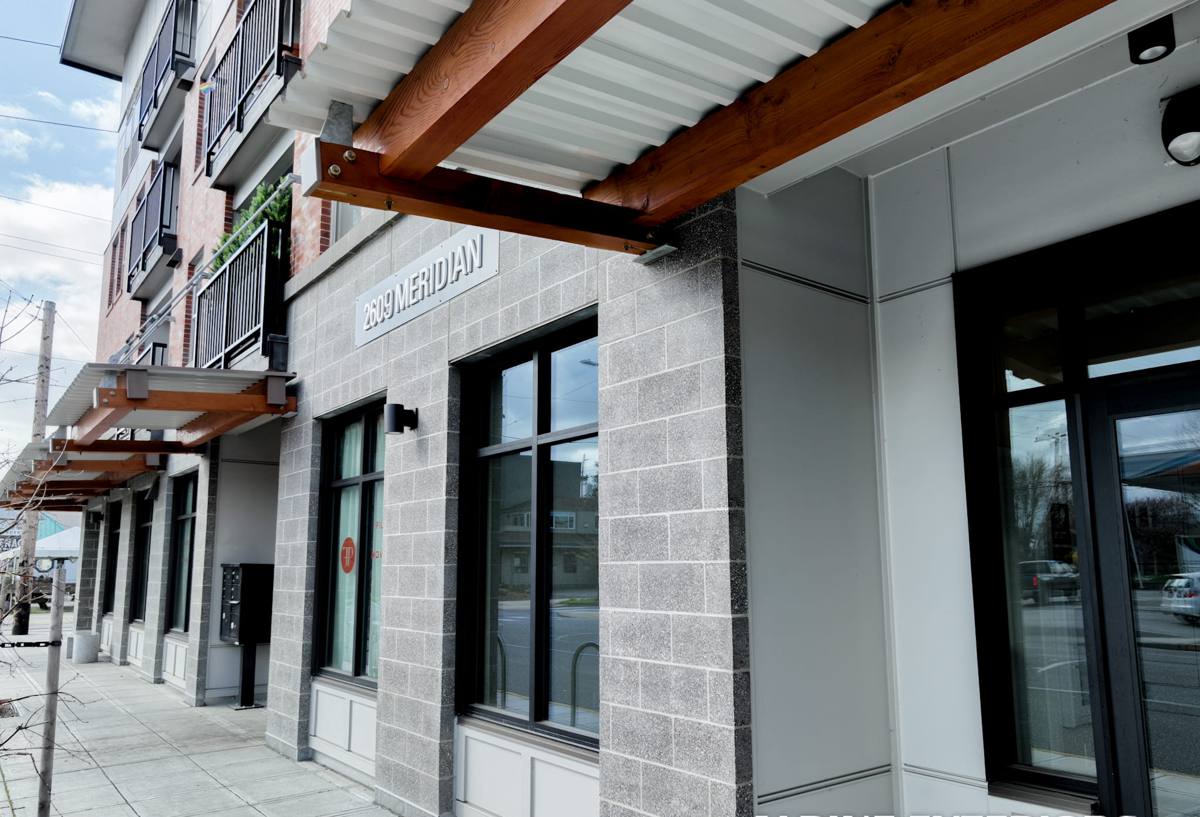
Signs Your Edison Home Needs New Windows
Because of the moisture load here, window failure often shows up earlier and more visibly than it would elsewhere. Common signs we see on service calls in and around Edison include:
- Fogging or a permanent haze between panes — the seal on the insulated glass unit has failed and moist air has gotten inside
- Soft, dark, or spongy wood on the sill or lower frame corners, often the first place rot sets in on older wood-frame windows
- Visible moss or black algae staining on the frame or sill that keeps coming back no matter how often it's cleaned
- Drafts or a noticeable temperature difference near the window on windy days, especially with weather coming off the water
- Windows that stick, won't latch fully, or have swollen shut — a common issue with wood sash exposed to repeated wet-dry cycles
- Visible daylight or gaps around the frame where old caulking or flashing has failed
Any one of these on its own might just need repair. Several together, especially on a home more than a couple decades old, usually mean it's time to talk about replacement rather than another round of patching.
What "Custom" Really Means for Older Skagit County Homes
A lot of the housing stock around Edison — farmhouses, older cottages, converted barns and outbuildings — was never built to standard modern window dimensions. Openings settle, framing shifts, and additions get built with whatever materials were on hand at the time. That means off-the-shelf, standard-size replacement windows frequently don't fit cleanly, and forcing one into an opening it wasn't made for is exactly how you end up with gaps that let in wind-driven rain.
Custom-sized windows are built to the actual measured opening, not the nearest standard size. That matters more here than in a drier climate because any gap between frame and window, however small, becomes a path for moisture to work its way into the wall assembly. Once water gets behind a window frame in a home this close to the water, it doesn't dry out quickly — the same humidity that makes the window vulnerable in the first place slows down any drying.
Retrofit vs. Full-Frame Replacement
There are two basic approaches, and the right one depends on the condition of the existing frame:
- Retrofit (pocket) replacement — the new window is installed into the existing frame, which stays in place. Faster and less invasive, but only appropriate if that existing frame is still solid and properly flashed. On a home with any history of moisture intrusion, this is a gamble.
- Full-frame replacement — the old frame is removed down to the rough opening, allowing us to inspect and repair any hidden rot, correct the flashing, and install a properly sealed new window from scratch. More work, but it's the only way to actually fix a frame that's been compromised by water.
We don't default to the cheaper option just because it's faster. If we open a wall or trim and find soft framing or old flashing that's failed, we'll tell you honestly what we're seeing before deciding which approach makes sense.
Choosing the Right Frame Material
Frame material matters more in a marine climate than it does further inland, because it determines how the window handles decades of damp air and salt exposure. There's no single "best" material for every home — it depends on your budget, your home's style, and how much upkeep you're willing to do.
| Material | How it handles Edison's climate | Maintenance |
|---|---|---|
| Vinyl | Won't rot or corrode; handles moisture well; can look less at home on older farmhouse-style exteriors | Low — occasional cleaning |
| Fiberglass | Very stable in temperature and moisture swings; strong resistance to warping; holds paint well if a specific color is needed | Low |
| Wood-clad (wood interior, metal or vinyl exterior) | Good look for period-appropriate homes; exterior cladding protects the wood from direct weather exposure | Moderate — interior wood still needs periodic attention |
| Solid wood | Traditional look, but most vulnerable to the rot and swelling this climate causes without diligent upkeep | High — regular refinishing and sealing needed |
| Aluminum | Strong and slim-profile, but a poor thermal performer and prone to condensation on cold, humid days | Low, but condensation issues are common |
For most Edison homes we recommend vinyl or fiberglass for their resistance to the moisture cycle here, reserving wood-clad options for homes where matching a historic or farmhouse look is a priority and the owner understands the added upkeep.
Glass Packages That Actually Help in a Marine Climate
The glass matters as much as the frame. In a climate with long damp seasons and big swings between cold nights and heated interiors, condensation control is often the biggest practical benefit of upgrading.
- Dual-pane, low-E glass — the standard baseline now for new construction and most replacements; cuts heat loss and reduces interior condensation compared to older single-pane glass
- Argon or krypton gas fill — the inert gas between panes improves insulation value without changing the look of the window
- Triple-pane — worth considering on north- or west-facing walls that catch the brunt of winter wind off the water, though it adds cost and weight
- Low-E coatings tuned for solar control — helpful on south- and west-facing exposures to reduce summer heat gain without darkening the glass noticeably
We'll walk through which combination makes sense room by room rather than selling one spec across the whole house — a north-facing bedroom and a west-facing sunroom don't have the same needs.
Our Installation Process
The process is the same whether it's one window or a whole-house replacement, and it's built around not leaving an opening exposed to Skagit County weather any longer than necessary.
- On-site assessment — we look at every window being considered, check for hidden rot or past water intrusion, and take accurate measurements of each opening
- Material and glass selection — we go over frame material, glass package, and grille or style options based on your home and budget, with honest tradeoffs explained up front
- Scheduling around the weather — we plan installs for stretches of drier weather where possible, and we don't leave a wall opening unprotected overnight
- Removal and inspection — old windows come out, and we check the rough opening for rot or damage before anything new goes in
- Flashing and sealing — proper flashing integration with the existing wall assembly, correct sealant, and attention to the details that keep wind-driven rain out
- Install and finish — window set, shimmed level and plumb, insulated, and trimmed to match the rest of the home
- Walkthrough and cleanup — we test every window with you before we consider the job done, and we clean up the site fully
Why a Local Crew Matters for Edison Specifically
Edison is a small community, and it doesn't get the same volume of contractor attention as bigger job markets closer to Anacortes proper. A crew that already works this stretch of Skagit County brings a few real advantages:
- Familiarity with the older farmhouse and outbuilding construction common in the area, including nonstandard framing and settled openings
- Direct experience with how salt air and moisture actually behave on installed windows here over years, not just in a showroom
- Working knowledge of Skagit County permitting requirements for window and structural work
- Shorter response times for follow-up service, adjustments, or warranty work — we're not driving in from out of the area for a callback
We'd rather be honest about what a house needs than push a bigger job than necessary, and being a crew that's actually from this area means we're accountable to the same community we're working in.
What Correct Installation Looks Like — A Homeowner's Checklist
Whether you hire us or someone else, these are the things worth confirming before and after a window job in a climate like this:
- The rough opening was inspected for rot or moisture damage before the new window went in, not just covered over
- Flashing was integrated with the existing house wrap or building paper, not just caulked over the top
- The window is custom-sized or properly shimmed to fit the actual opening, with no forced fit or oversized gaps
- Weep holes (drainage points at the bottom of the frame) are clear and functional, not sealed shut
- Interior and exterior sealant is continuous with no visible gaps
- You received clear information on the warranty covering both the window unit and the installation labor separately
What Affects the Cost of a Window Project
Every home is different, so we won't quote a number without seeing the actual openings, but these are the main factors that move the price up or down on a typical Edison-area project:
| Factor | Why it matters |
|---|---|
| Retrofit vs. full-frame replacement | Full-frame work takes longer and may uncover repairs, but it's often necessary if there's existing moisture damage |
| Frame material | Vinyl is typically the most budget-friendly; fiberglass and wood-clad options cost more upfront but may cost less to maintain over time |
| Glass package | Dual-pane low-E is standard; triple-pane and specialty coatings add cost but can be worth it on exposed walls |
| Number and size of openings | Larger or custom-shaped windows cost more to fabricate and install than standard sizes |
| Existing damage found during removal | Rotted framing or failed flashing discovered mid-project adds repair work that a straightforward swap wouldn't require |
| Access and site conditions | Upper-story windows, tight access, or older trim that needs matching can add labor time |
We'll give you a clear, itemized estimate before any work starts, and we'll flag anything that could change the price once we're able to see behind the old frames.
Get an Honest Look at What Your Windows Need
If your Edison home has windows showing any of the signs above — fogging, soft wood, persistent moss, or drafts — it's worth having someone look before another wet season adds to the damage. We offer a free, no-pressure estimate: we'll assess your windows, tell you honestly what we find, and lay out your options without any obligation. Use the form below to get started.