 Anacortes Siding
 A Waterfront Climate That Is Hard on Roofs
La Conner sits on the Swinomish Channel in Skagit County, close enough to the water that every roof in town deals with salt-laden marine air, high humidity, and rain that rarely falls straight down. Storms off the water tend to arrive sideways, driven by wind that pushes moisture up under roofing components that would stay dry in a calmer climate. Add in a wet season that stretches for months at a time, and you have conditions that are simply tougher on a roof than what most of the country deals with.
None of this means a La Conner roof is doomed to constant problems. It means the roof has to be built, repaired, and maintained with this specific climate in mind. A patch job that would hold up fine in a drier region can fail here within a season or two if it does not account for wind-driven rain, prolonged dampness, and salt exposure.
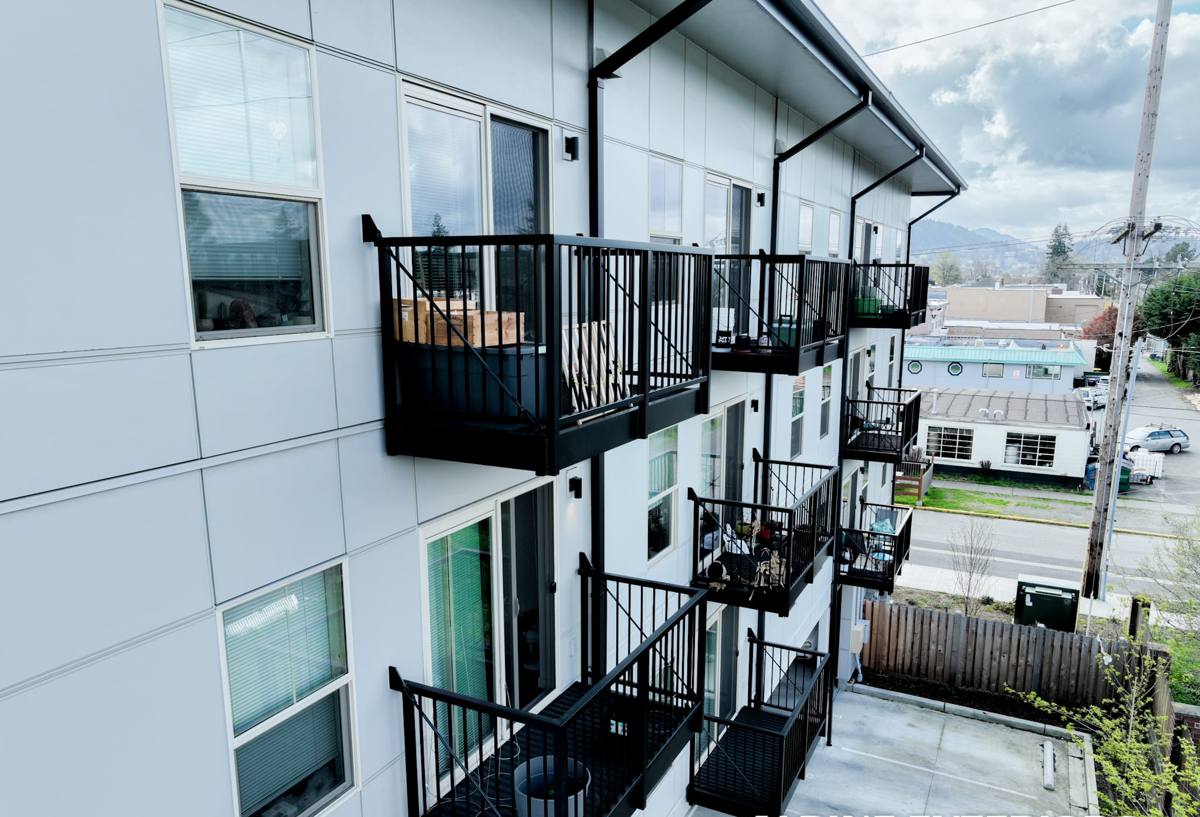
Moss: The Slow Roof Killer of a Long Skagit County Winter
Moss is the most visible sign of this climate's effect on roofing, and it is more than a cosmetic issue. Once spores take hold, moss holds moisture directly against the roofing surface for weeks at a time. That constant dampness works granules loose on composition shingles, softens and lifts shingle edges, and gives water a path underneath the roofing material instead of running off of it.
Why Moss Spreads Faster on Shaded and North-Facing Slopes
Roof sections that stay shaded, whether from trees or from the angle of the sun, dry out slower after every rain. North-facing slopes and valleys are usually the first places moss takes hold and the last places it lets go. Left alone through a wet winter, a moss mat can grow thick enough to hold water like a sponge, and that is when you start seeing interior leaks that trace back to a roof that otherwise looked intact from the ground.
Correct moss treatment matters as much as removal. Pressure washing strips protective granules off the shingle and can drive water under the roofing layers rather than clean it off. We remove moss by hand or with low-pressure methods, and where it makes sense, install zinc or copper control strips near the ridge so future growth is slowed by normal rainfall washing trace metals down the roof.
Salt Air's Effect on Flashing, Fasteners, and Gutters
Marine air carries salt further inland than most homeowners expect, and metal components take the brunt of it. Galvanized flashing and fasteners that would last decades in a dry inland climate can start showing rust streaks and pitting years sooner near the water. Gutters and downspouts corrode from the inside out in spots where water sits after a storm, which is easy to miss until a seam fails.
When we replace flashing on a La Conner repair, we default to metals that hold up to coastal exposure rather than whatever is cheapest to source. It costs a little more up front and saves the homeowner from paying for the same repair twice.
Wind-Driven Rain and Where Roofs Actually Leak
Rain that comes in sideways behaves differently than rain that falls straight down. It gets pushed up and under shingle edges, around flashing that has even minor gaps, and into transitions that would shed a calmer rain without issue. That is why the roofs we repair most often here are not failing across a wide open field of shingles, they are failing at the details: chimney flashing, skylight curbs, valleys, roof-to-wall intersections, and low-slope sections where water has more time to find a way in.
It is also why the stain on a ceiling is rarely directly below the actual leak. Water follows the path of least resistance along sheathing, rafters, and insulation before it shows up as a visible spot, sometimes several feet from where it entered the roof. A repair that only addresses the interior stain without tracing the real entry point almost always comes back.
Signs You Need a Roof Repair Now, Not Later
Roof problems in this climate rarely announce themselves with a dramatic hole. They show up as small signs that are easy to write off until they become a bigger repair. Worth checking for:
- Water stains or discoloration on ceilings or in the attic, even faint ones
- Granules collecting in gutters or at downspout outlets
- Visible moss mats, especially on north-facing slopes or under overhanging trees
- Shingles that look lifted, curled, or are missing after a windstorm
- Daylight visible through the roof deck when viewed from inside the attic
- Soft or spongy spots when walking the roof, which usually means the decking underneath is wet
- Rust streaks running down from flashing or exposed fasteners
Catching any of these early is almost always cheaper than waiting. A small flashing repair now is a fraction of the cost of replacing rotted decking and insulation after a winter of unnoticed leaking.
Repair or Replace? What We Actually Weigh
Not every roof problem calls for a full replacement, and we do not push one when a proper repair will hold. The honest answer usually comes down to a handful of factors:
| Factor | Usually Points to Repair | Usually Points to Replacement |
|---|---|---|
| Roof age | Under 15 years, no widespread wear | Near or past manufacturer's expected lifespan |
| Extent of damage | Isolated to one section, valley, or flashing point | Spread across multiple slopes |
| Moss coverage | Light to moderate, roof surface still sound underneath | Heavy, long-term coverage with granule loss throughout |
| Decking condition | Solid, no soft spots found | Soft, rotted, or delaminated in multiple areas |
| Repair history | First or second repair in this area | Same spot has been patched repeatedly |
When a roof lands in the middle of that table, we say so plainly rather than defaulting to whichever option costs more.
What a Correct Repair Actually Involves
A repair that is done right starts before anyone touches a shingle. We trace the actual source of a leak from the attic side when possible, since chasing the wrong spot on the exterior wastes time and money. Once the cause is confirmed, a proper repair typically includes:
- Removing and replacing damaged flashing rather than sealing over it with caulk
- Installing ice and water shield or equivalent underlayment at the repaired section, especially in valleys and eave lines
- Matching shingle or roofing material as closely as possible so the repair blends and performs consistently with the surrounding roof
- Checking attic ventilation, since trapped moisture behind an otherwise sound roof accelerates both rot and moss growth
- Clearing moss and debris from the surrounding area so the repaired section is not immediately undermined by the same conditions that caused the original damage
Sealant has a place in roofing, but it is a finishing detail, not a substitute for replacing failed flashing or underlayment. A repair that relies mainly on caulk over a problem area is a short-term fix that tends to resurface within a year or two.
Our Process for a La Conner Roof Repair
We start with an on-site inspection, including the attic where access allows, so the estimate reflects the actual scope rather than a guess from the ground. From there we walk through what we found, what caused it, and what fixing it correctly involves, in plain language and with a written quote before any work starts.
Repair work gets scheduled around weather windows whenever possible, since flashing and underlayment need dry conditions to install correctly. Once the work is done, we walk the repair with the homeowner and explain what was fixed and why, along with any maintenance that will help it last, whether that is a moss treatment schedule or a note to keep an eye on a particular valley after heavy storms.
Why a Crew That Already Works Skagit County Matters
A roofer based elsewhere can still do a repair, but they are guessing at how this specific climate behaves. Being based in Anacortes and working regularly in La Conner and the surrounding Skagit County area means we already know which flashing details tend to fail first in wind-driven rain off the water, which slopes hold moss the longest through a wet winter, and which materials actually hold up to sustained salt exposure instead of just looking good on a spec sheet.
It also means a faster response when a leak shows up during a storm, rather than waiting on a crew traveling in from out of the area. For a problem that gets worse every day water keeps getting in, that difference matters.
If you are dealing with a leak, visible moss, or storm damage on a La Conner roof, we are happy to take a look and give you a straight answer on what it needs. Use the form below to request a free, no-pressure estimate.