 Anacortes Siding
 Roofing on an Island Changes the Math
Fidalgo Island sits surrounded by saltwater on nearly every side, and that geography does something to a roof that inland Skagit County homes don't deal with in the same way. Salt-laden air moves off Rosario Strait, Guemes Channel, and the bays around Anacortes and settles onto shingles, flashing, fasteners, and vents year-round. Add in a wet season that runs long even by Pacific Northwest standards, plus wind that funnels through the channels on either side of the island, and you get a roofing environment that's genuinely tougher on materials than a generic "rainy climate" listing would suggest.
This page is about one job done right in this one place: asphalt shingle roofing for homes on Fidalgo Island. Not a general overview of shingle roofing everywhere — the specific decisions that matter when the roof in question is going to spend the next 20-plus years absorbing salt air, moss growth, and driving rain off the water.
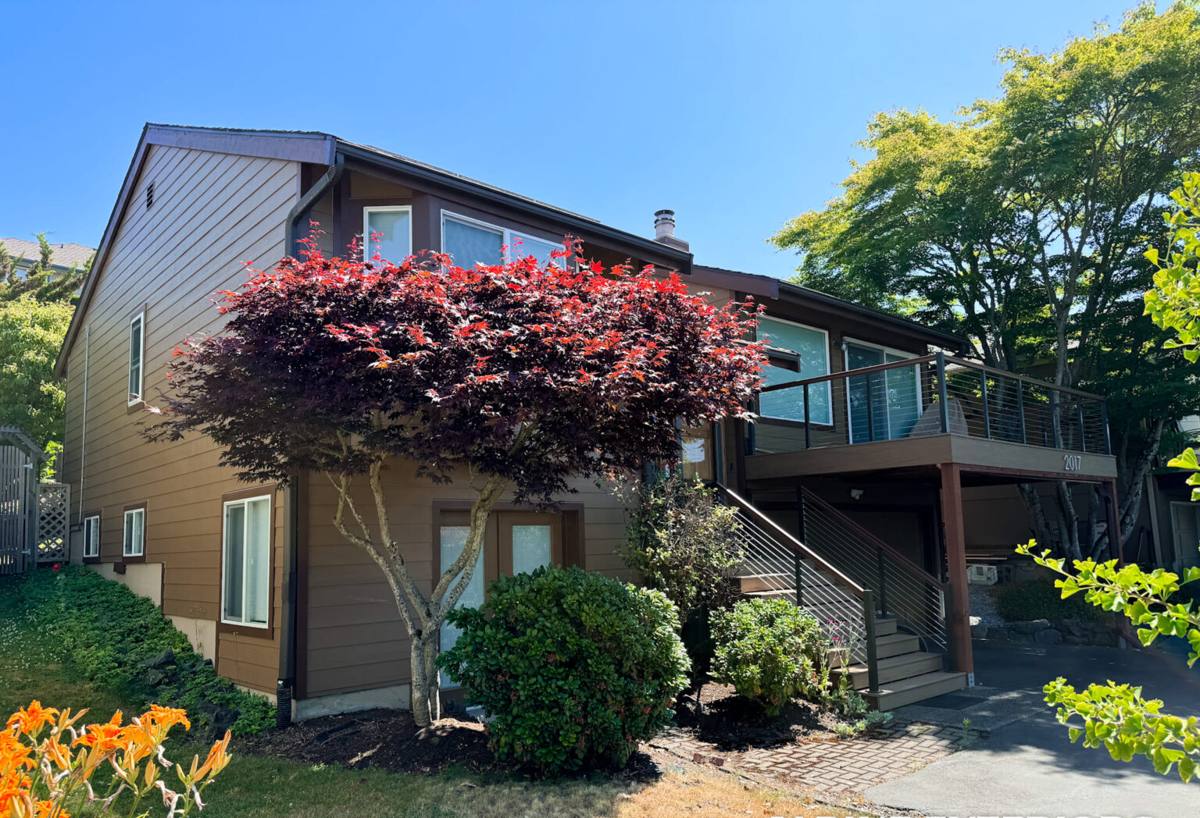
What Marine Exposure Actually Does to a Roof
Salt air is corrosive, and it doesn't stay near the shoreline the way people assume. On an island the size of Fidalgo, prevailing winds carry fine salt particulate well inland, so even homes that aren't waterfront still see accelerated wear on anything metal.
The parts that suffer first
- Exposed fasteners and nail heads, especially if they're not corrosion-resistant
- Flashing around chimneys, skylights, and roof-to-wall transitions
- Metal roof vents, pipe boots, and ridge vent hardware
- Gutters and drip edge where salt film mixes with standing moisture
None of this means asphalt shingle roofing is a bad fit for an island climate — it isn't. It means the metal components and fastening details have to be spec'd for the environment, not just for code minimums. A roof that's correct on paper in a dry inland town can still underperform here if the flashing and fasteners weren't chosen with marine exposure in mind.
Moss, Algae, and Anacortes' Long Wet Season
Anacortes doesn't get the heaviest rainfall totals in Western Washington, but it gets a long stretch of low-intensity, persistent moisture — the kind that keeps roof surfaces damp for days at a time rather than drying out between storms. Combine that with tree cover on many Fidalgo Island lots, and north-facing or shaded slopes become prime territory for moss and algae growth.
Moss isn't just cosmetic. As it establishes on a shingle roof, it holds moisture against the granule surface, works into shingle laps and nail lines, and over time can lift shingle edges and shorten the roof's service life. Algae staining is a different issue — mostly appearance — but it's worth understanding the difference so you're not paying for the wrong fix. We'll walk you through which slopes on your specific roof are most exposed and what that means for material choice and long-term upkeep, rather than treating every roof the same regardless of orientation.
Wind and Driving Rain: Where the Details Matter
Fidalgo Island catches wind off the water from multiple directions depending on the season, and that wind often arrives with rain driving nearly horizontal rather than falling straight down. That combination is what actually causes leaks — not the volume of rain, but wind-driven moisture finding its way under shingle edges, through under-lapped flashing, or into fastener penetrations that weren't sealed correctly.
What a wind-and-rain-resistant install requires
- Ice-and-water shield membrane at eaves, valleys, and roof penetrations — not just where code requires it, but wherever water is likely to be driven uphill by wind
- Properly lapped synthetic underlayment across the full deck, not just patched sections
- Correct nailing pattern and nail placement in the shingle's designated nailing zone — high-wind fastening isn't optional trim on this island
- Step flashing and counter-flashing at every wall and chimney intersection, not caulk-and-hope shortcuts
These aren't upsells. They're the baseline for a roof that has to perform in Fidalgo Island's wind exposure rather than a sheltered inland lot.
What a Correct Asphalt Shingle Job Involves
Deck inspection before anything goes down
Shingles are only as good as what's underneath them. Before any new material goes on, the decking gets inspected for soft spots, delamination, or moisture damage — common on older Fidalgo Island homes where a previous roof may have trapped condensation under inadequate ventilation. Bad decking gets replaced, not covered.
Tear-off versus overlay
We tear off down to the deck on almost every job. Overlaying a second layer of shingles over an existing roof might save a day of labor, but it traps moisture, hides deck problems, and voids most manufacturer warranties. On a marine climate roof already fighting moss and salt exposure, that trade-off isn't worth it.
Ventilation
Balanced intake and exhaust ventilation keeps the attic dry and the roof deck at a stable temperature, which matters for shingle lifespan and for controlling condensation — a real issue in a climate this humid. A roof can be installed with premium shingles and still underperform if the attic underneath is trapping moisture.
Flashing and edge details
This is where most roof failures actually start, not in the field of the roof itself. Chimney flashing, valley metal, drip edge, and pipe boots get installed to shed water in every direction the wind on this island can push it.
Choosing a Shingle for Fidalgo Island Conditions
Not every asphalt shingle product is a good match for a salt-air, high-moss climate. Algae-resistant shingles — which use copper- or zinc-infused granules to slow algae growth — are worth the modest upcharge on most Fidalgo Island roofs, particularly on shaded or north-facing slopes. Beyond that, wind rating and the shingle's sealant strip performance matter more here than in a sheltered inland town.
| Shingle Factor | Why It Matters on Fidalgo Island |
|---|---|
| Algae-resistant granules | Slows moss/algae growth on shaded, damp-prone slopes common on wooded island lots |
| Wind rating | Channel winds off the surrounding water push higher uplift loads than sheltered sites see |
| Sealant strip quality | Determines how well shingles bond down under repeated wind-driven rain events |
| Warranty coverage on fasteners/flashing | Marine air accelerates corrosion, so warranty terms on metal components are worth reading closely |
| Color/granule retention | Salt film and moisture can dull color faster than in a dry climate; better granule adhesion holds up longer |
We'll talk through actual product options and pricing tiers once we've seen your roof — a shaded, tree-lined lot and an open waterfront lot on the same street can call for different choices.
Our Process on a Fidalgo Island Roofing Job
1. On-site inspection
We look at the whole system — deck condition, ventilation, existing flashing, moss patterns, and which slopes take the worst of the wind and salt exposure. This tells us what your roof actually needs, not a generic package.
2. A written scope and honest estimate
You get a clear breakdown of materials, labor, and any deck repair or flashing upgrades — no vague allowances that turn into surprise change orders mid-job.
3. Tear-off, deck prep, and underlayment
Full tear-off, deck repair where needed, and underlayment installed to handle wind-driven rain, not just straight-down rainfall.
4. Shingle installation and flashing
Shingles go down to manufacturer spec with correct nailing, and every flashing detail — valleys, walls, chimneys, penetrations — gets built for this island's exposure, not the bare code minimum.
5. Cleanup and final walkthrough
Magnetic sweep for debris, gutter check, and a walkthrough so you understand exactly what was done and why.
Why a Local Fidalgo Island Crew Matters
A roofing crew that works this island regularly knows which streets sit exposed to open water and which sit tucked into tree cover, because those two conditions call for different flashing details, different shingle choices, and different maintenance advice. A crew driving in from outside the area doesn't carry that context — they're applying general Pacific Northwest roofing knowledge to a microclimate that's more specific than that. We work in Anacortes and across Skagit County regularly, which means we're not guessing at how a roof here holds up five or ten years out — we're the ones who get the call if it doesn't.
Keeping Your Roof Sound Between Installs
A correctly installed shingle roof still benefits from basic upkeep, especially in a moss-prone, salt-air climate like Fidalgo Island's.
- Clear moss growth gently (no pressure washing, which strips granules) at the first sign of buildup on shaded slopes
- Keep gutters and downspouts clear so water isn't backing up under the roof edge
- Trim back overhanging branches to cut down on shade, debris, and moss-friendly conditions
- Have flashing and pipe boots checked periodically — these fail before the shingle field usually does
- Schedule a roof check after major wind events, which aren't rare on this island
If you're planning a roof replacement or want a straight answer on what condition your current shingle roof is really in, we're glad to take a look. Reach out for a free, no-pressure estimate — the form below gets you on our schedule.