 Anacortes Siding
 Siding Installation for Edison Homes in Skagit County
Edison sits low in the Skagit Valley, close enough to Samish Bay and the surrounding tidal flats that homes here deal with a specific mix of weather most inland Washington siding jobs never have to plan for. Salt-tinged air moves in off the water, rain arrives sideways more often than straight down, and the shoulder seasons stay damp long enough for moss and algae to get a real foothold on anything that holds moisture. Siding installation done right in this part of Skagit County isn't just about swapping old material for new — it's about building an exterior system that's actually engineered for the conditions it's going to sit in for the next several decades.
This page covers what Edison's climate demands from a siding job, what correct installation looks like in practice, and why we've standardized on one product system instead of offering the usual lineup of options.
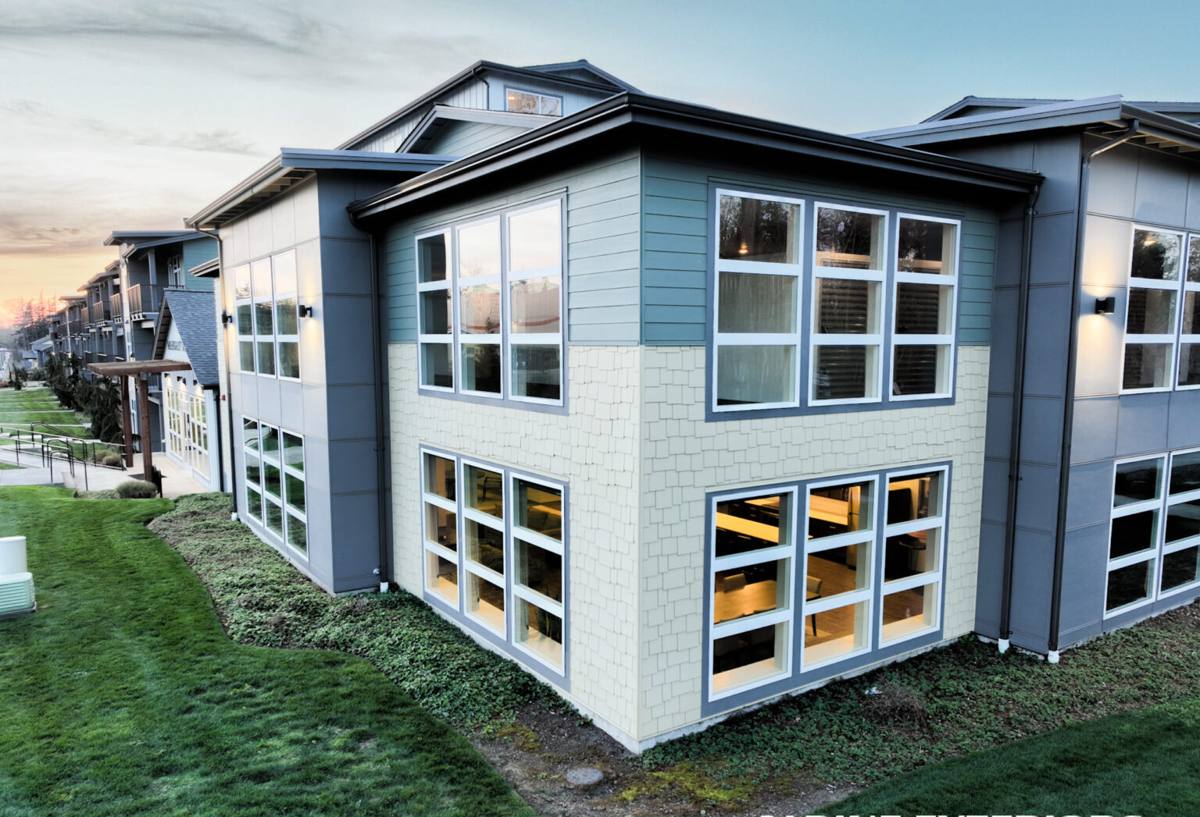
What Edison's Climate Actually Does to a House Exterior
Salt Air and Slow Corrosion
Homes near Samish Bay and the surrounding water don't get the heavy salt spray of an oceanfront property, but low-level salt exposure is still real, and it's cumulative. Over years, it accelerates corrosion on exposed fasteners, trim flashing, and any hardware that isn't rated for a marine-influenced environment. Siding that looks fine on the surface can be failing quietly at the fastener level if the wrong materials went into the job.
Driving Rain and Wind-Driven Moisture
Skagit County storms rarely come straight down. Wind off the water pushes rain sideways into wall assemblies, which puts real pressure on every seam, lap, and penetration in the siding. A siding job that isn't detailed for wind-driven rain — thin caulk joints, missed flashing, insufficient overlap — will show leaks at windows, corners, and butt joints long before the siding itself wears out.
Moss, Algae, and a Long Wet Season
Edison's farmland setting means open sky and airflow in some spots, but plenty of homes sit near trees, fence lines, or shaded north walls where moisture lingers. Combined with the region's long wet stretch from fall through spring, that's ideal territory for moss and algae to take hold on porous or absorbent siding materials, especially in ground-level areas and anywhere siding stays shaded most of the day.
How Different Siding Materials Hold Up in This Climate
We get asked often why we don't offer the full range of siding products other contractors carry. The honest answer is that we watched how different materials actually perform in Skagit County conditions over time, not just how they perform in a showroom.
| Material | Salt Air / Corrosion Resistance | Moisture Behavior | Moss & Algae Resistance |
|---|---|---|---|
| Vinyl siding | Fasteners and trim components can corrode over time | Can warp or buckle with temperature swings; seams are a moisture entry point | Traps moisture behind panels where algae can grow unseen |
| Cedar / wood siding | Requires ongoing sealing to resist salt-driven decay | Absorbs moisture readily; prone to rot without diligent maintenance | Organic material is highly susceptible to moss and algae growth |
| LP SmartSide (engineered wood) | Moderate; edge sealing is critical near moisture | Vulnerable at cut edges and joints if not field-sealed correctly | Better than raw wood, but still an organic substrate |
| James Hardie fiber cement | Non-combustible, dimensionally stable material with corrosion-rated fastening | Engineered to resist moisture absorption and won't rot | Factory ColorPlus finish resists moss, mildew, and fading |
Every product on that list has a legitimate use case somewhere. But for the specific combination of salt air, driving rain, and a long moss season that Edison homes face, we've concluded that fiber cement is the material that holds up with the least long-term maintenance burden on the homeowner.
Why We Install Only James Hardie Fiber Cement
James Hardie makes climate-engineered product lines specifically for regions like ours, built to handle sustained moisture exposure without the swelling, rot, or moss vulnerability that comes with wood-based products. It's non-combustible, which matters for wildfire-adjacent exposure risk even in a wet climate, and the factory-applied ColorPlus finish is baked on under controlled conditions rather than field-applied — which means better color retention and moss resistance than a job-site paint job can match.
It also carries a strong transferable warranty, which matters more in a climate this demanding than in a mild one, because the material is actually being tested by the conditions the warranty is meant to cover. We stopped offering other siding products because we didn't want to install something in Edison's climate that we knew would need premature maintenance or replacement — and then have that conversation with a homeowner five years later.
What Correct Siding Installation Involves
The Water Management System Behind the Siding
Siding is the visible layer, but the work that actually keeps a house dry happens underneath it. That means a properly lapped weather-resistive barrier, correctly integrated window and door flashing, and a drainage plane that lets any moisture that does get behind the siding find its way back out instead of sitting against the sheathing. Skipping or rushing this layer is the single biggest reason siding jobs fail early in wet climates like ours.
Flashing at Every Penetration
Every window, vent, hose bib, and light fixture that punches through the siding is a potential entry point for wind-driven rain. Each one needs proper flashing and sealant detailing, not just a bead of caulk at the trim edge. This is the kind of detail that's invisible once the job is finished but determines whether the wall stays dry for the next thirty years.
Fastening and Field Cutting to Spec
James Hardie publishes specific fastening patterns, nail spacing, and clearance requirements, and field-cut edges need to be sealed to maintain the product's moisture resistance. Installers who don't follow manufacturer spec — wrong fastener type, over-driven nails, unsealed cuts — can void the warranty and create weak points exactly where the climate here is hardest on a wall.
Our Installation Process
- On-site assessment of your current siding, sheathing condition, and any moisture damage already present
- Inspection of the water management layer once old siding is removed, with repairs made before anything new goes up
- Installation of James Hardie fiber cement siding to manufacturer specification, including proper flashing at all penetrations
- Final walk-through so you understand what was done and why, plus care guidance specific to your home's exposure
We don't install over rot or hidden moisture damage just to save time. If we find compromised sheathing during tear-off, we'll show you what we're seeing and talk through the repair before moving forward — not add it as a surprise line item afterward.
Signs an Edison Home May Need New Siding
- Persistent moss or dark streaking that returns soon after cleaning
- Soft spots, bubbling, or visible warping, especially near ground level or under windows
- Paint that's failing faster than it should, which often points to moisture trapped behind the siding
- Visible gaps, cracked caulk lines, or separated seams at corners and joints
- A musty smell or soft drywall on interior walls that back up to exterior siding
- Siding that's original to a home built more than two decades ago with no major maintenance history
Why a Crew That Already Works Edison Matters
Edison's climate isn't identical to Anacortes proper, or to inland Skagit County towns further from the water. A crew that already works this specific stretch — the exposure near Samish Bay, the shaded farmland lots, the long damp season — knows where moisture problems tend to start on homes out here and builds the installation to account for it from day one. That's different from a crew learning the local conditions on your job.
Local, established crews also tend to know the permitting expectations for Skagit County exterior work and can plan a job around our actual weather patterns rather than a generic install schedule that doesn't account for how often this area sees rain in spring and fall.
What a Fair Estimate Should Include
| Factor | Why It Affects the Job |
|---|---|
| Home size and wall complexity | More corners, gables, and trim detail mean more flashing and labor time |
| Condition of existing sheathing | Hidden moisture damage found during tear-off can require repair before new siding goes on |
| Siding profile and accessories | Lap width, trim style, and soffit or fascia work all factor into scope |
| Site exposure | Homes with heavier shade, tree cover, or direct water exposure may need extra moisture detailing |
A trustworthy estimate walks through these factors with you on-site rather than quoting a flat number sight unseen. If you're weighing a siding replacement for a home in Edison, we're glad to take a look and give you a straightforward, no-pressure estimate — just fill out the form below.