 Anacortes Siding
 Cap Sante's Climate Puts Real Stress on Siding
Homes around Cap Sante sit close to the water, and that proximity shapes what siding has to survive. Salt-laden air off the marina and Rosario Strait works on exposed materials year-round, not just during storms. Combine that with Skagit County's long wet season — driving rain that comes in sideways off the water, months of overcast humidity, and the moss and algae growth that follows — and you get a set of conditions that punishes anything less than a well-built, well-installed siding system.
This isn't a climate where siding fails dramatically overnight. It's a climate where marginal products and marginal installations fail slowly: a caulk joint that lets in moisture, a panel edge that swells, paint that chalks and peels a few years early, moss that takes hold in a shaded north wall and holds moisture against the substrate. By the time it's visible, the damage underneath is often already done.
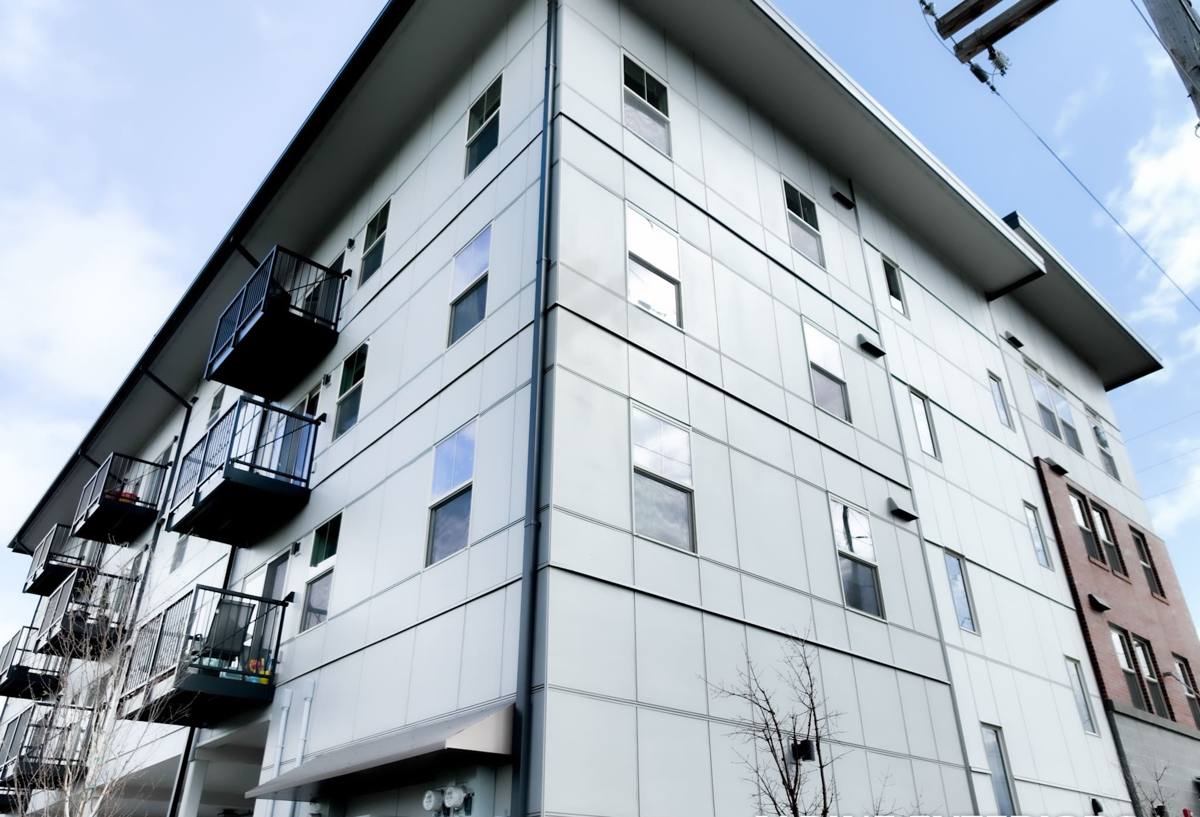
Why Fiber Cement Is the Right Material Here
James Hardie fiber cement siding is a mix of cement, sand, and cellulose fiber, engineered specifically to resist the things that break down other siding materials. It doesn't absorb water the way wood-based products can, it won't rot, and it's non-combustible — a real consideration in Washington's increasingly active wildfire seasons even out here on the coast, where wind-driven embers can travel further than people expect.
Just as important for a Cap Sante home is the factory-applied ColorPlus finish. Because the color is baked on at the factory rather than field-painted, it holds up better against UV and salt exposure than a job-site paint job, and it gives the material a more consistent, durable topcoat over the life of the siding. Hardie also engineers separate product lines for different climate zones — HardieZone HZ5, used throughout Western Washington, is formulated for the freeze-thaw and moisture cycles typical of the Pacific Northwest rather than a generic, one-size-fits-all specification.
We install James Hardie exclusively. We don't install vinyl, LP SmartSide, Cemplank, Allura, primed spruce, or bare cedar, and we're upfront about why. Vinyl expands and contracts with temperature and can crack or warp under wind-driven rain and salt exposure over time. Engineered wood products depend heavily on maintaining an intact factory coating — any breach lets moisture into the wood-fiber core, and repairs in a marine climate are harder to keep ahead of. Cedar and primed spruce are real wood, which means real wood problems: rot, insect activity, and a repainting cycle that never really ends in a climate this wet. None of these are bad products in every setting. They're just not what we're willing to put our name on in a marine, high-moisture environment like Cap Sante.
What Correct Installation Looks Like
Fiber cement siding is only as good as the installation behind it. The material itself resists moisture, but the assembly around it — the barrier, the flashing, the gaps, the fasteners — is what actually keeps water out of the wall system. This is where a lot of siding jobs quietly go wrong, and it's the part a homeowner can't see once the siding is up.
Weather-Resistive Barrier and Flashing
Every job starts with a continuous weather-resistive barrier over the sheathing, lapped correctly from bottom to top so water always sheds outward and downward. Window and door flashing has to integrate with that barrier in the right sequence — flashing tucked behind the barrier at the top, over it at the sides and bottom — so wind-driven rain off the water can't work its way behind the siding at penetrations, which is one of the most common failure points on coastal homes.
Fastening, Clearances, and Caulk Joints
Hardie's specifications call for specific fastener types, spacing, and penetration depth, along with clearances from grade, roofing, and decking to keep the bottom edge of the siding from sitting in standing water or splash-back. Butt joints and trim intersections get sealed with a quality sealant rated for exterior use, and panels are never installed tight against each other with no room to move. Skipping any of this doesn't show up as a problem in year one — it shows up in year five or six, usually as a moisture issue that's more expensive to fix than it would have been to prevent.
How Fiber Cement Compares to Other Siding in This Climate
Homeowners in Cap Sante often ask how fiber cement stacks up against the other siding options they've seen quoted. Here's an honest comparison based on how each material actually performs in a wet, salt-air environment — not on price alone.
| Material | Moisture & Salt Air Resistance | Maintenance | Typical Lifespan |
|---|---|---|---|
| James Hardie fiber cement | High — non-combustible, doesn't rot, factory finish resists UV and salt | Occasional wash-down; repaint only when the homeowner chooses to change color | Multi-decade with correct install |
| Vinyl | Moderate — can warp, fade, or crack under wind and temperature swings | Low, but damaged sections are hard to color-match later | Variable, shorter in harsh coastal exposure |
| Engineered wood (e.g. LP SmartSide) | Moderate — vulnerable if the factory coating is breached | Requires prompt repair of any damage to prevent moisture intrusion | Depends heavily on coating integrity over time |
| Cedar / primed wood | Lower — absorbs moisture, prone to rot and pest activity | High — regular repainting or staining and moisture monitoring | Shorter without consistent upkeep |
None of this means the alternatives are unusable everywhere. It means that for a house catching salt air and driving rain off the water near Cap Sante, the materials that depend on an unbroken coating or that absorb moisture are working against the climate instead of with it.
Cost Factors for a Cap Sante Fiber Cement Job
Every home is different, so we don't quote broad prices without seeing the house, but the main variables that move a fiber cement job's cost are consistent from house to house:
| Factor | Why It Matters |
|---|---|
| Home size and wall complexity | More corners, dormers, and trim details mean more cutting, fitting, and flashing work |
| Existing wall condition | Sheathing repair or rot remediation found during tear-off adds time before new siding can go up |
| Siding profile and finish | Lap width, shingle-style panels, and specific ColorPlus finishes vary in material cost |
| Trim and accessory scope | Corner boards, window trim, and soffit work are often bundled with a siding replacement |
| Access and site conditions | Steep lots, tight setbacks, or limited staging area near the water can affect labor time |
Our Process, Start to Finish
We keep the process straightforward and communicate clearly at each stage:
- On-site walk-through to assess the existing siding, sheathing, and any moisture damage before quoting
- A written estimate that spells out material, scope, and timeline — no vague allowances
- Careful tear-off with inspection of the sheathing underneath, addressing any rot or damage before new siding goes on
- Installation of the weather-resistive barrier, flashing, and James Hardie siding to manufacturer specification
- Final walk-through with the homeowner to confirm the finished work matches what was agreed
We don't cut corners on the parts you can't see, because those are the parts that determine whether the siding actually performs in this climate ten years from now.
Maintenance Once It's Installed
One of the practical advantages of fiber cement in a place like Cap Sante is how little ongoing maintenance it demands compared to wood-based sidings. A periodic rinse to clear salt residue and organic buildup, a visual check of caulk joints and trim intersections every year or two, and prompt attention to any physical damage (from a fallen branch or impact) is generally all that's needed. Because the ColorPlus finish is factory-applied, homeowners aren't on a recurring repainting cycle just to keep water out — repainting becomes a choice about changing the look of the house, not a requirement for protecting it.
Moss and algae growth on shaded, north-facing walls is common throughout Skagit County regardless of siding material. A soft wash on those exposures once a year or so keeps growth from taking hold and keeps the finish looking like it should.
Why Hire a Crew That Already Works Cap Sante
Installation quality is what determines whether fiber cement siding delivers on its durability, and that quality depends on a crew that understands the specific conditions of the site — wind exposure, drainage patterns, and how a given home is oriented to weather off the water. A crew that has worked other homes in and around Anacortes has already seen how these conditions play out on real houses, not just in a manufacturer's install manual. That local, repeated experience is what closes the gap between what fiber cement siding is capable of on paper and how it actually performs on a house in Cap Sante for the next several decades.
Questions to Ask Before You Sign
- Is the installer certified or specifically trained on James Hardie's installation requirements?
- Will they inspect and address sheathing condition before new siding goes on, not just siding over existing damage?
- Do they follow manufacturer-specified fastener spacing, clearances, and flashing details, and can they explain them?
- Is the weather-resistive barrier and flashing plan part of the written scope, not just "included" as an afterthought?
- What warranty coverage applies to both the material and the labor, and is it transferable if you sell the home?
- Have they worked on homes in this immediate area and dealt with salt air and driving rain firsthand?
If you're weighing siding options for a home near Cap Sante, we're happy to take a look and walk you through what correct James Hardie installation would involve for your specific house — no pressure, no obligation. Use the form below to request a free estimate.