 Anacortes Siding
 Building on Fidalgo Island Means Building for the Marine Layer
New construction gives you one real chance to get window installation right before siding, trim, and interior finishes close everything up. On Fidalgo Island, that chance matters more than it does in most inland communities. Homes here sit close to the Salish Sea, which means salt-laden air, wind-driven rain off the water, and a long wet season that keeps moss and mildew active for much of the year. A window that's installed correctly on day one will handle all of that quietly for decades. A window that's rushed or flashed wrong will show it within a season or two — usually as a stain on the interior sill, a soft spot in the wall below, or hardware that starts corroding faster than it should.
We install new-construction windows for homes going up and additions being framed throughout Anacortes and the rest of Fidalgo Island. This page covers what that work actually involves here, not in a generic climate zone, but in ours.
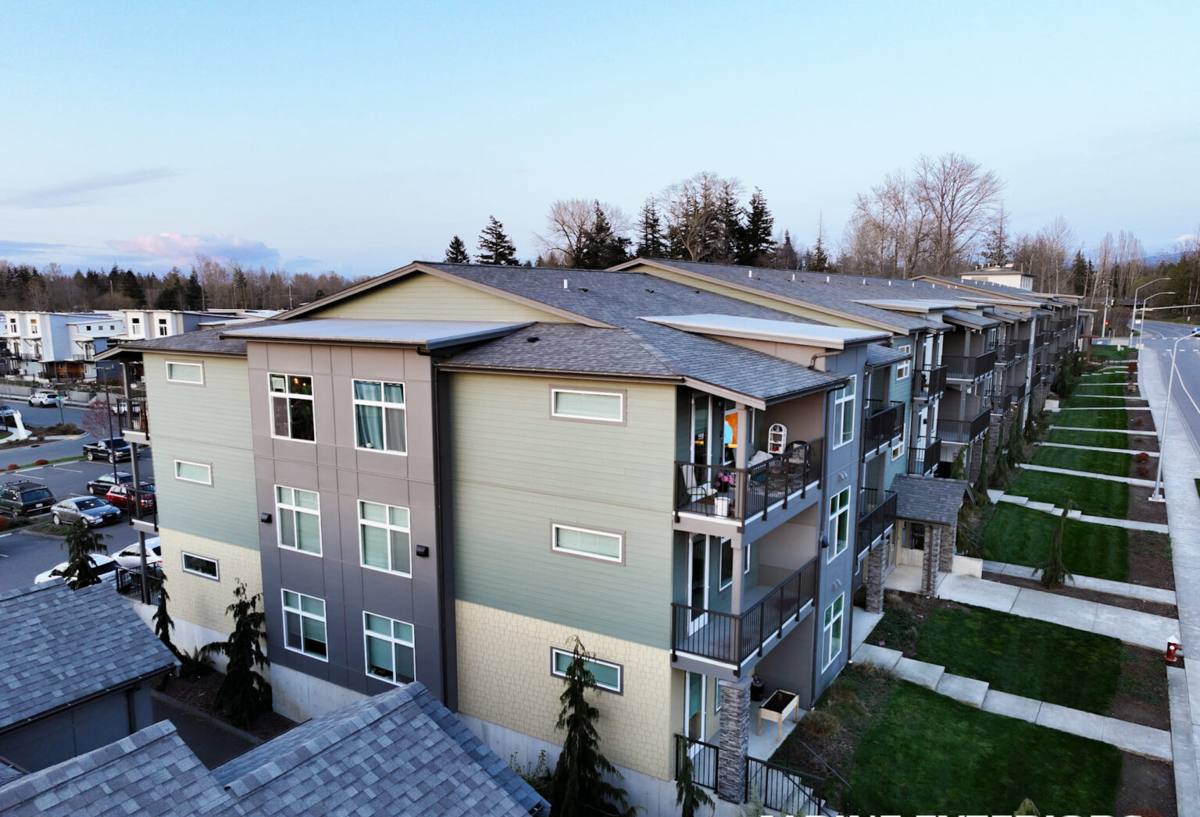
New-Construction Windows vs. Replacement — Why the Distinction Matters
"New-construction" isn't a marketing term — it's a specific window style with a nailing fin around the perimeter, designed to be installed into open stud framing before the exterior weather barrier and siding go on. Replacement windows, by contrast, are built to slide into an existing opening without disturbing the surrounding siding or trim. Using the wrong type, or installing a new-construction window as if it were a retrofit unit, is one of the more common mistakes we get called to fix on remodels.
Why It Matters on a Coastal Build
Because a new-construction window's nailing fin becomes part of the wall's water management system, the quality of that connection — the flashing, the sill pan, the integration with the house wrap — determines whether wind-driven rain off the water stays outside or finds its way behind the siding. Get this step wrong on a Fidalgo Island build and the mistake is buried inside the wall for years before it shows up as rot.
What Our Climate Actually Demands From a Window Installation
Salt Air and Corrosion
Homes near the water deal with airborne salt that accelerates corrosion on unprotected metal — hinges, cranks, screws, and cladding fasteners all age faster here than they do a few miles inland in Skagit County. We spec corrosion-resistant hardware and fasteners as standard on Fidalgo Island jobs, not as an upgrade.
Wind-Driven Rain
Storms off the water don't just fall — they push rain sideways into wall assemblies, especially on west- and south-facing elevations. A window opening that relies on caulk alone to stay dry will eventually fail. Ours are built around a drainage plane: sill pan flashing, properly lapped house wrap, and a flashing sequence that sheds water down and out even if wind pushes moisture past the window frame itself.
Moss, Mildew, and a Long Wet Season
Skagit County's wet months stretch long, and Fidalgo Island's marine exposure keeps humidity and moss growth active on north-facing and shaded walls well into what other regions would call the dry season. Sill design, drainage gaps, and drip cap detailing all affect how much moisture sits against the window and trim — which in turn affects how soon paint, caulk joints, and wood trim need attention.
Material and Glass Choices for Fidalgo Island Homes
There's no single "best" window material — the right choice depends on the home's exposure, budget, and how much maintenance the owner wants to take on. Here's how the common options compare for our specific conditions:
| Frame Material | How It Handles Salt Air & Moisture | Maintenance |
|---|---|---|
| Vinyl | Won't corrode or rot; performs well in coastal exposure | Low — occasional cleaning |
| Fiberglass | Excellent stability and moisture resistance; handles temperature swings without warping | Low |
| Wood-clad (vinyl or aluminum exterior) | Good if the cladding and cladding seams are intact; interior wood still needs protection from moisture | Moderate |
| Bare wood | Requires diligent finishing and upkeep to resist our wet season; not our first recommendation for direct coastal exposure | High |
For glass, we typically recommend a dual-pane, low-E coated unit with an argon fill and a warm-edge spacer. That combination cuts heat loss through the glass, resists condensation on our cold, damp mornings, and holds up well against the temperature swings between a sunny afternoon and a foggy evening off the water.
U-Factor and Solar Heat Gain
Western Washington's mild, overcast climate calls for a different balance than a sunbelt install. We generally aim for a lower U-factor to hold heat in during our long heating season, while solar heat gain coefficient (SHGC) can run a bit higher than you'd want in a hot climate, since capturing available sun helps offset heating costs rather than causing overheating.
How We Install: The Sequence That Keeps Water Out
The window unit itself is only part of the job. Most leaks trace back to the installation sequence, not the product. On new construction, our process follows this order:
- Confirm rough opening size, level, plumb, and square before the window ever arrives on site
- Install a sloped sill pan flashing at the base of the opening so any water that gets past the window drains back out, not into the wall
- Set the window, shim it true, and fasten through the nailing fin per the manufacturer's schedule
- Flash the sides and head in proper shingle-lap order — sides first, then head — so water always sheds downward over the next layer
- Integrate the flashing with the house wrap using the correct lap sequence, sealing seams with a compatible tape or sealant
- Install head flashing or a drip cap where the wall design calls for it, to break up wind-driven rain before it reaches the window head
- Insulate and air-seal the gap between the frame and rough opening — a step that's easy to skip once the window looks "done" but that affects both energy performance and condensation risk
Every one of those steps matters more on Fidalgo Island than it would on a build a few hours inland, simply because the wind and rain here are more direct and more frequent.
A Pre-Installation and Final-Check Checklist
On every new-construction window job, we walk through the same checks — whether it's one window on an addition or a full house of openings:
- Rough openings measured and squared before window order is finalized
- Window sizes and operating styles confirmed against the plans and egress requirements
- Sill pan flashing installed and sloped to drain outward
- Flashing tape and house wrap integration inspected before siding closes the wall
- Corrosion-resistant fasteners and hardware used at every opening
- Shims and fasteners set so the sash operates smoothly with no binding
- Insulation and air-sealing completed around the frame perimeter
- Exterior trim, drip caps, or head flashing installed per the wall design
- Final operation check — every window opens, closes, and locks properly before we call the job done
Why a Crew That Already Works Fidalgo Island Matters
Window installation looks similar on paper anywhere in Western Washington, but the details that actually prevent problems are local. A crew that regularly works Anacortes and the surrounding Skagit County shoreline already knows which elevations take the worst of the wind-driven rain, how much extra attention north-facing walls need for moss and moisture, and which hardware holds up against salt air instead of pitting within a few years. That's not something you get from a manufacturer's install manual — it comes from doing the work here, repeatedly, and seeing how these homes age.
We also coordinate directly with builders and framers on new-construction timelines, so window installation happens at the right point in the sequence — after the opening is framed correctly and the weather barrier is ready, and before siding closes everything in. Getting that timing wrong is one of the more common (and expensive) errors on new builds.
What to Expect During a New-Construction Window Install
On a typical new build or addition, we work directly off the framer's rough openings and the plan set, coordinating our schedule with the general contractor so windows go in at the right stage — after the structure is sound and weather-ready, before siding and exterior trim close things up. Timelines vary with the size of the job and window lead times from the manufacturer, so we'll walk through realistic scheduling as part of your estimate rather than quoting a one-size-fits-all number.
If you're building, adding on, or working through a remodel on Fidalgo Island and want windows installed by a crew that understands what this climate does to a wall assembly, we're happy to take a look at your plans and put together a straightforward, no-pressure estimate. There's a form below — reach out and we'll go from there.