 Anacortes Siding
 Guemes Island Is a Different Climate Than "Anacortes Proper"
Guemes Island sits just across the water from Anacortes, but a short ferry ride changes more about a house than most homeowners expect. Island homes catch more open wind, more direct salt spray off the water, and more driving rain than a lot of in-town Skagit County properties tucked behind trees and neighboring structures. Add the long stretch of gray, damp months typical of this part of the Salish Sea, and you get a climate that is genuinely harder on exterior siding than the regional average — even though the regional average is already tough by national standards.
That combination — salt-laden air, wind-driven rain that gets pushed sideways into wall assemblies, and a moss and algae season that can run most of the year on shaded or north-facing elevations — is exactly the kind of exposure that separates siding that looks good for two years from siding that holds up for decades. Board and batten is a popular look on the island because it fits the rural, cabin-and-farmhouse character of a lot of Guemes properties. But the look only pays off if what's underneath it is built for this exposure.
What Board & Batten Siding Actually Is
Board and batten is a vertical siding pattern: wide flat panels installed vertically, with narrower strips (the "battens") covering the seams between panels. It's one of the oldest siding patterns in American building, originally developed because it was a practical way to cover a wall with narrower boards while keeping water out of the joints. Today it's chosen mostly for its look — clean vertical lines that read as farmhouse, craftsman, or modern depending on the trim details and color — but the original logic still applies: the battens exist to protect a seam, not just to decorate it.
That's worth saying plainly because it's where a lot of board and batten jobs go wrong. If the batten spacing, fastening, and the drainage plane behind the panels aren't done correctly, you end up with a wall that looks right from the street but traps moisture behind it. On a marine-exposed property like a Guemes Island home, that mistake shows up faster than it would somewhere drier.
Why We Only Install James Hardie for This
We install James Hardie fiber cement exclusively — we don't do vinyl board and batten, LP SmartSide, Cemplank, Allura, or primed wood battens on solid boards. That's not a marketing position; it's a standard we hold because of what we've seen happen to the alternatives in exactly this kind of coastal, wet, moss-prone climate.
Vinyl Board & Batten
Vinyl is inexpensive and low-maintenance in the sense that it doesn't need paint, but it's a poor match for a board and batten look on an exposed island site. Vinyl panels expand and contract significantly with temperature swings, and on vertical installations that movement is more visible — panels can bow, buckle, or show wavy shadow lines along the battens. Wind-driven rain and salt air also accelerate the fading and chalking that vinyl is prone to, and vinyl simply isn't rated to stand up to sustained high wind exposure the way a heavier fiber cement panel is.
LP SmartSide, Cemplank, and Allura
These are all reasonable products in the right application, and we're not going to tell you they're junk. But they're engineered-wood or fiber-cement competitors with different moisture behavior, different factory finish systems, and different warranty structures than what we've standardized on. We'd rather install one product system well, understand exactly how it performs over twenty years in this climate, and stand behind it, than juggle multiple systems with different failure points.
Primed Wood or Cedar Battens
Real wood board and batten looks beautiful when it's new. On a shaded, damp Guemes Island lot, though, wood siding is fighting moss, mildew, and moisture absorption from day one, and it needs a repaint or re-stain cycle to stay protected — maintenance that's a lot less convenient when every trip for materials or a contractor visit involves a ferry schedule.
The James Hardie Products That Create This Look
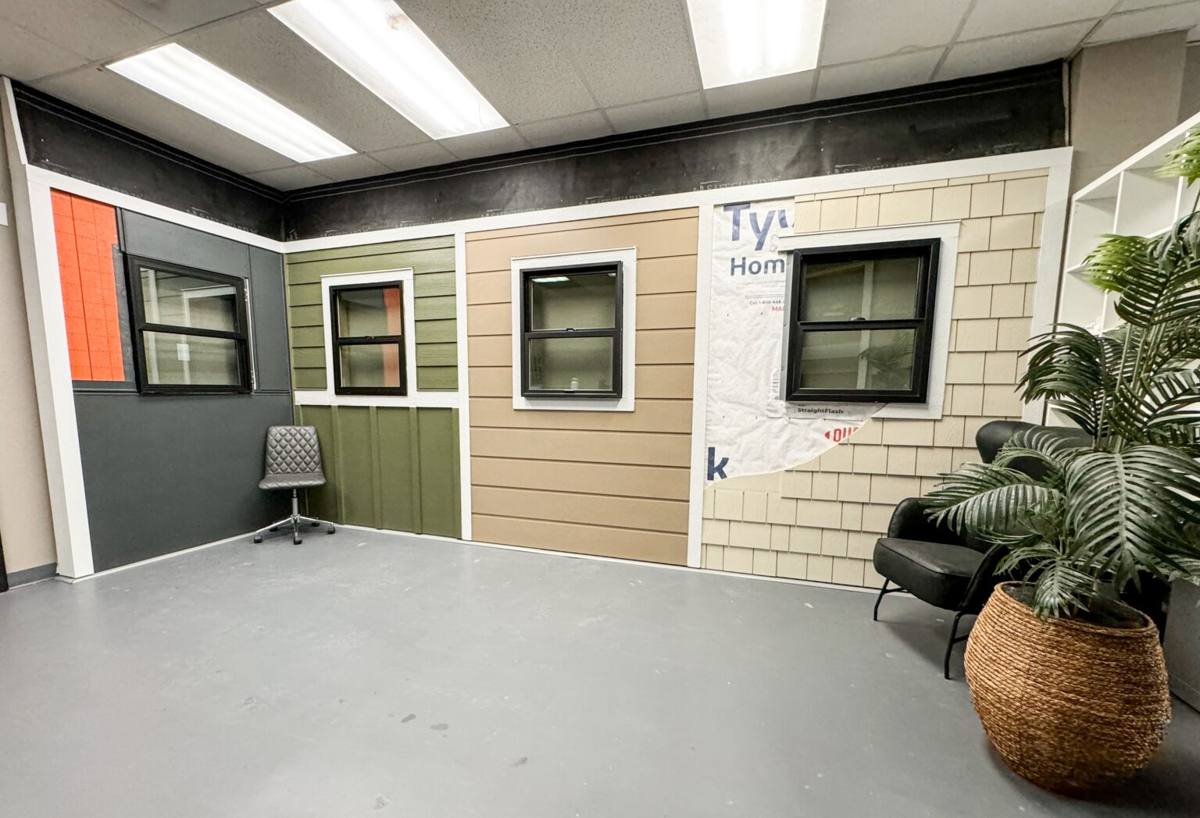
For board and batten, we typically use HardiePanel vertical siding as the field panel, finished with HardieTrim battens over the seams. Both are James Hardie fiber cement — a non-combustible blend of cement, sand, and cellulose fiber that doesn't rot, doesn't attract insects, and doesn't expand and contract with moisture the way wood or vinyl does. Panels and trim come pre-finished in the factory-baked ColorPlus finish, which holds color and resists the chalking and fading that salt air and UV exposure cause on field-painted products.
James Hardie also builds its siding in different formulations for different climate zones — the HZ5 product line is engineered for the wetter, more moisture-exposed regions of the Pacific Northwest, which is the specification we use on Guemes Island homes.
What a Correct Installation Involves
The Drainage Plane Comes First
Before a single panel goes up, the wall needs a proper water-resistive barrier and, on most Guemes Island homes, a rainscreen gap behind the siding. That gap lets any moisture that gets past the panels drain and dry out instead of sitting against the sheathing. On a site catching direct wind-driven rain off open water, skipping or shortcutting this step is the single biggest cause of hidden rot behind board and batten siding.
Panel and Batten Spacing
HardiePanel needs correct joint treatment and gapping so the panels aren't installed tight against each other or against trim — fiber cement needs room to handle seasonal movement without stressing the seams. Battens are then set to James Hardie's specified spacing and fastened per their engineering, not eyeballed for looks alone.
Fastening for Wind Exposure
Open, elevated Guemes Island sites see higher sustained wind loads than sheltered in-town lots. Fastener type, spacing, and embedment need to match that exposure — this is an area where following the manufacturer's installation instructions to the letter, rather than a generic approach, actually matters for how long the siding stays tight and quiet in a windstorm.
Flashing at Windows, Corners, and Penetrations
Every window, door, hose bib, and light fixture is a place water can get behind the siding if flashing isn't detailed correctly. On a vertical pattern like board and batten, horizontal flashing at window heads and sills has to tie into the drainage plane cleanly — there's less forgiving overlap than with traditional horizontal lap siding.
Guemes Island Logistics: Why Ferry Access Changes the Job
Guemes Island is reached by a short county ferry crossing from Anacortes, and that one fact shapes how a siding project on the island actually has to be planned. There's no big-box lumber yard or siding supplier on the island itself — every panel, batten, fastener, and roll of house wrap has to be ordered, staged, and loaded onto the ferry in the right quantity before the crew ever starts cutting.
A crew that hasn't planned for this shows up short a box of trim or a case of fasteners and loses half a day waiting on the next ferry slot. A crew that has worked the island before orders with a margin for exactly that, sequences the job so material deliveries land efficiently, and doesn't burn labor hours standing around a job site waiting on a supply run that has to cross the water. It's a small logistical detail, but it's a real cost and schedule factor that's specific to island work, and it's worth asking any contractor how they plan for it before you sign a contract.
Our Process, Start to Finish
- On-site estimate: we walk the exterior, check existing siding and sheathing condition, and measure exposure — which elevations take the worst wind and rain — so the drainage detailing is planned correctly from the start.
- Material planning: panels, battens, trim, fasteners, and weather barrier are ordered with the ferry schedule and any weather windows factored in, so the crew isn't stalled mid-job.
- Removal and inspection: old siding comes off and we check the sheathing underneath for any hidden moisture damage before covering it back up.
- Water-resistive barrier and rainscreen: installed per James Hardie's specifications for the HZ5 exposure zone.
- HardiePanel and HardieTrim installation: panels and battens installed to spec, with careful flashing at every window, door, and penetration.
- Final walkthrough: we check caulking, trim lines, and fastening with you before calling the job complete.
Cost Factors for a Guemes Island Board & Batten Project
| Factor | Why It Matters Here | Relative Impact |
|---|---|---|
| Ferry-dependent material logistics | Deliveries must be staged and timed around the crossing; shortfalls cost schedule time, not just money | Moderate |
| Wind and salt exposure of the site | Open, waterfront, or elevated lots need stronger fastening and drainage detailing than sheltered lots | Moderate to High |
| Existing siding removal and sheathing repair | Moss and moisture damage found underneath old siding may need repair before new siding goes on | Variable — depends on condition |
| Home size and wall complexity | More corners, gables, and window openings mean more trim and flashing detail | High |
| Trim and batten pattern complexity | Tighter batten spacing or custom patterns take more layout and cutting time | Low to Moderate |
We give firm, itemized numbers after an on-site look — broad online estimates don't account for what's actually happening behind your current siding or how exposed your particular lot is.
Maintenance and Longevity in a Marine Environment
One reason we like recommending fiber cement for board and batten on Guemes Island specifically is how little upkeep it needs relative to the alternatives. The ColorPlus finish is designed to hold up without repainting for many years, which matters when a maintenance trip involves a ferry crossing rather than a quick drive across town. Rinsing salt residue and organic buildup off the siding periodically — especially on shaded, north-facing walls where moss and algae take hold fastest — is really the main upkeep task, and it's the same low-effort routine as anywhere else in Skagit County, just worth doing a bit more regularly given the island's exposure.
- Rinse salt spray and grime off exterior walls, especially anything facing open water, a couple of times a year
- Keep shrubs and tree branches trimmed back from siding so shaded walls get airflow and dry out between rains
- Check and re-caulk joints at trim, window heads, and corners as part of routine home maintenance
- Look at north-facing and shaded elevations each fall for early moss or algae growth and clean it before it spreads
- Have flashing and caulking inspected after any major windstorm, since wind-driven rain finds gaps other weather won't
Why Hiring a Crew That Already Works Guemes Island Matters
A siding contractor who has never worked on the island is learning the ferry logistics, the wind exposure, and the moisture behavior of island lots on your project — at your expense, in delays and in guesswork. A crew that already knows Guemes Island orders materials with the right margin, plans the schedule around the crossing, and details the drainage and flashing for the wind and rain exposure the island actually sees, not a generic Anacortes-average assumption. That experience doesn't show up as a line item on a quote, but it shows up in how the job goes and how the siding performs five and ten years out.
If you're weighing board and batten siding for a Guemes Island home, we're happy to come take a look, walk the exposure with you, and put together a straightforward, no-pressure estimate — just fill out the form below.