 Anacortes Siding
 Siding That Can Actually Handle Conway's Weather
Conway sits in one of the wetter, more exposed corners of Skagit County, close enough to the water that salt air is part of daily life and far enough from the mountains that storms roll through with real force. Homes here take a different kind of beating than homes twenty miles inland. Siding that looks fine in a showroom in a dry climate can start failing within a few years once it meets Conway's combination of salt air, driving rain, and a moss season that can stretch for most of the year. This page is about one product, installed one way, for this one area: James Hardie fiber cement siding, put on correctly for homes in and around Conway.
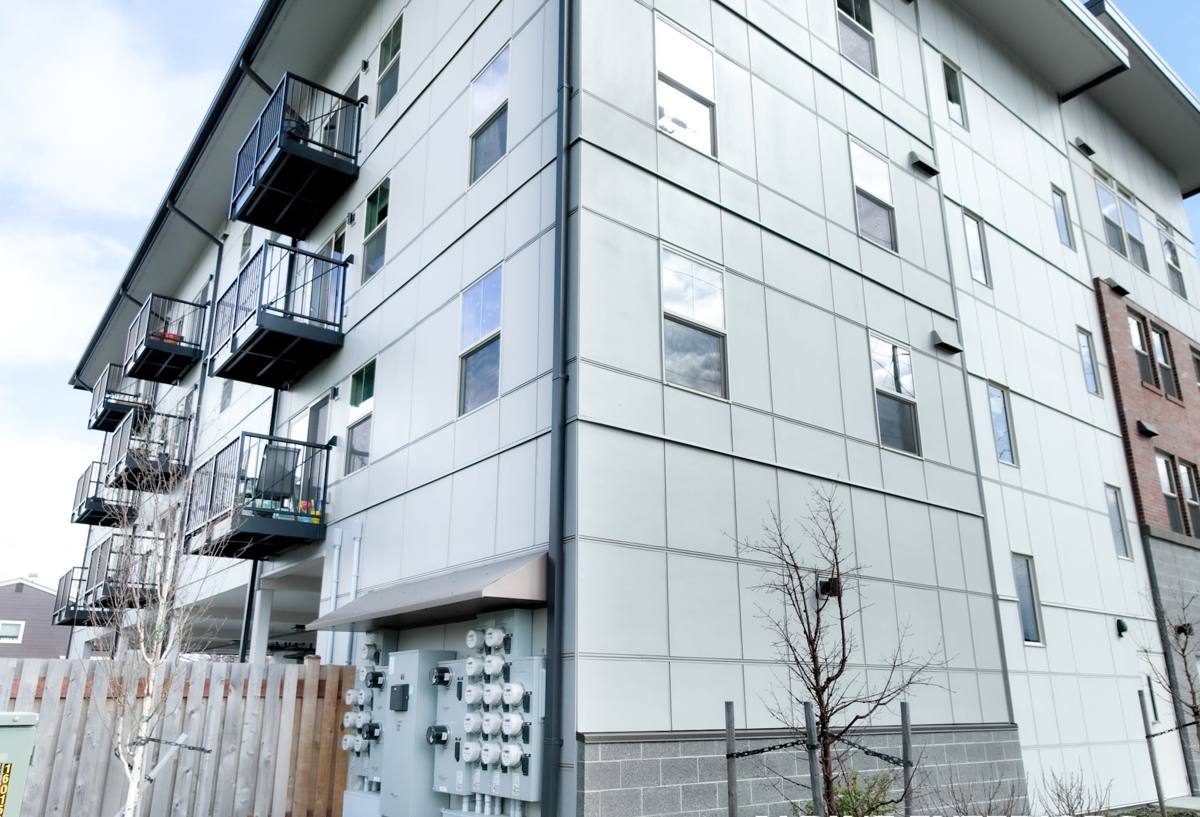
Why Salt Air, Rain, and Moss Are a Tough Combination
Any one of these conditions on its own is manageable. Together, over years, they expose weak points in siding materials and installation shortcuts that wouldn't show up in a milder climate.
Salt Air and Corrosion
Airborne salt from Puget Sound accelerates corrosion on fasteners, flashing, and trim hardware. Siding systems that rely on softer metals or exposed fastener heads tend to show rust streaking and premature wear sooner near the water than they would twenty miles inland. The siding material itself also matters — some products absorb and hold moisture that carries salt deeper into the wall assembly over repeated wet cycles.
Driving Rain and Wind-Driven Moisture
Skagit County storms don't just drop rain straight down — wind pushes it sideways into wall assemblies, especially on west- and south-facing elevations. That means seams, laps, and butt joints are doing real work, not just sitting there for looks. A siding system that depends on caulk alone to keep water out, rather than proper overlap and a drainage path behind the cladding, is set up to fail eventually.
Moss, Algae, and the Long Wet Season
Conway's growing season for moss and algae is long, and shaded or north-facing walls rarely get enough direct sun to dry out fast between storms. Materials that hold surface moisture give moss and algae something to grow into rather than sit on top of. Over time that biological growth traps even more moisture against the siding, which is how a maintenance nuisance becomes a structural problem.
What James Hardie Fiber Cement Brings to a Conway Home
James Hardie fiber cement siding is engineered specifically to resist the failure modes that this climate creates. It's non-combustible, dimensionally stable, and manufactured in HZ product lines specified for different moisture and temperature zones — the HZ5 formulation used in the Pacific Northwest is built to perform in high-moisture, freeze-prone conditions rather than a generic one-size-fits-all mix. The factory-applied ColorPlus finish is baked on under controlled conditions, which gives it far better resistance to fading, chipping, and moisture intrusion at the surface than field-applied paint. That matters more in a place like Conway, where a compromised paint film is an open invitation for the wet season to get to work.
This is also why our company installs James Hardie exclusively and doesn't offer LP SmartSide, vinyl, Cemplank, Allura, primed spruce, or cedar. Each of those products has legitimate uses somewhere. In our experience specifying and installing siding across this climate, none of them hold up to salt air, driving rain, and sustained moss pressure as consistently as correctly installed Hardie fiber cement, and we'd rather stand behind one system we trust completely than offer several we have reservations about.
What a Correct Installation Actually Involves
James Hardie siding performs well because of the material — but it only performs well long-term if it's installed to spec. A rushed or corner-cutting install can undercut even the best product. For a Conway home, three parts of the installation matter more than anything else.
Drainage Plane and Rainscreen Gap
Correct installation starts behind the siding, not at it. A weather-resistive barrier goes on first, with all seams and penetrations properly lapped and sealed, and a drainage gap behind the cladding lets any moisture that does get past the surface drain and dry out instead of sitting against the wall sheathing. Skipping or shortcutting this step is one of the most common reasons siding fails early in wet climates — the siding itself can be doing its job perfectly and the wall can still take on damage behind it.
Fastening and Flashing
Fastener type, spacing, and placement are specified by James Hardie for a reason, and in a salt-air environment, using the right corrosion-resistant fasteners driven correctly matters even more than usual. Flashing at windows, doors, roof lines, and any horizontal trim needs to actually shed water outward rather than just look finished. This is where a lot of installation shortcuts hide — they don't show up as a problem until the first hard winter storm season.
Sealant and Joint Detailing
Butt joints, corners, and trim transitions need consistent, correctly specified sealant, not just enough to make the seam look clean. On a home exposed to sideways-driving rain, a joint that's caulked as an afterthought is a joint that will eventually leak.
Matching the Right Hardie Product to Your Home
Not every Conway home needs the same Hardie product. Exposure, home style, and existing trim all factor into what makes sense.
| Product | Best Use | Why It Fits Conway |
|---|---|---|
| HardiePlank Lap Siding | Traditional and craftsman-style homes, most exposures | The most common choice locally; wide range of exposures and textures with strong wind and rain performance |
| HardiePanel Vertical Siding | Accent walls, gable ends, modern or farmhouse styles | Clean vertical lines that shed water efficiently on steep or high-exposure gables |
| HardieTrim Boards | Corners, window and door surrounds, fascia | Resists the swelling and rot that wood trim develops in sustained damp conditions |
| HardieSoffit Panels | Eaves and overhangs | Non-combustible, moisture-stable ventilation-compatible option for shaded, slow-drying eaves |
Color also matters more here than it does in drier climates. ColorPlus finishes are formulated to resist the fading and staining that come with prolonged damp exposure, which keeps a home looking maintained rather than tired within the first few wet seasons.
Our Process, From Estimate to Final Walkthrough
The steps don't change from house to house, but the details we watch for do — Conway's exposure to wind-driven rain means we pay particularly close attention to drainage and flashing details that a lower-exposure home might not need as much scrutiny on.
- Free on-site inspection of your current siding, trim, and any moisture or rot found during removal
- Written estimate covering product selection, color, and scope — no pressure, no hard sell
- Removal of old siding and inspection of the wall sheathing underneath for hidden damage
- Repair of any compromised sheathing or framing before new siding goes on
- Installation of the weather-resistive barrier, rainscreen gap, and flashing details
- James Hardie installation to manufacturer fastening and joint specifications
- Final walkthrough so you can see the completed work and ask questions before we consider the job done
Why a Crew That Already Works This Area Matters
A siding crew that mostly works dry, low-exposure neighborhoods can do a technically fine install and still miss details that matter here. Knowing how hard the rain comes in sideways off the water, how long walls stay shaded and damp, and how quickly moss establishes on a north-facing gable changes decisions about flashing details, drainage planning, and where extra attention to sealant is worth the time. That knowledge comes from doing the work in this specific climate repeatedly, not from a general siding background. It's also why we don't try to be a jack-of-all-materials contractor — specializing in one product installed one correct way, in the climate we actually work in, is how we keep quality consistent.
Keeping Your New Siding Looking Its Best
James Hardie siding is low-maintenance compared to wood or vinyl, but "low-maintenance" isn't "no-maintenance," especially with Conway's moss and algae exposure. A little regular attention keeps it performing and looking right for the long haul.
- Rinse siding with a garden hose once or twice a year to clear pollen, salt residue, and early moss growth before it takes hold
- Keep gutters clear so overflow doesn't run down the face of the siding and feed moss growth
- Trim back shrubs and trees that keep walls shaded and slow to dry after storms
- Avoid pressure washing directly at seams and joints, which can force water behind the siding
- Inspect caulked joints and trim transitions yearly, particularly after a hard winter
- Address any small paint chips or impact damage promptly rather than letting moisture get a foothold
What Drives the Cost of a Conway Siding Project
Every home is different, but a few factors consistently move the price of a siding project in this area, whether up or down.
| Factor | Effect on Project |
|---|---|
| Extent of hidden moisture or rot found during tear-off | Repairs to sheathing or framing add time and material before new siding can go on |
| Home size and number of stories | More square footage and higher wall access both add labor |
| Product mix (lap siding, panels, trim, soffit) | Combining products for architectural detail adds material and installation steps |
| Existing trim, window, and door condition | Replacing or repairing trim alongside siding is more efficient than doing it later separately |
| Site access and exposure | Difficult access or high, steep-gabled walls affect staging and labor time |
We only give real numbers after seeing the actual house — anything else is a guess, and guesses aren't useful when you're planning a project.
If your Conway home's siding is showing moss, staining, soft spots, or paint that just won't hold anymore, we'll come take a look and give you a straightforward, no-pressure estimate for James Hardie siding done right for this climate. Use the form below to get started.