 Anacortes Siding
 Windows Built for a Waterfront Town
La Conner sits right on the Swinomish Channel, which means every window on the west and water-facing sides of a home is doing more work than a window in a typical inland neighborhood. Salt-laden air moves through daily with the tide and wind, driving rain comes in sideways off the water during winter storms, and the shaded, damp conditions common around older homes and mature landscaping give moss and algae plenty of places to take hold. None of that is a problem you can solve with a generic, big-box window. It's a problem you solve with the right materials, the right flashing detail, and an installer who has actually dealt with these conditions before.
We install custom windows throughout Skagit County, and La Conner is one of the areas where "custom" isn't a marketing word — it's a necessity. Many homes here are older, with window openings that were never built to modern standard sizes, plus a mix of historic-district properties, farmhouses, and newer waterfront construction. Getting a window that actually fits, seals, and holds up in this climate takes measuring and planning specific to the house, not a catalog part dropped into a rough opening.
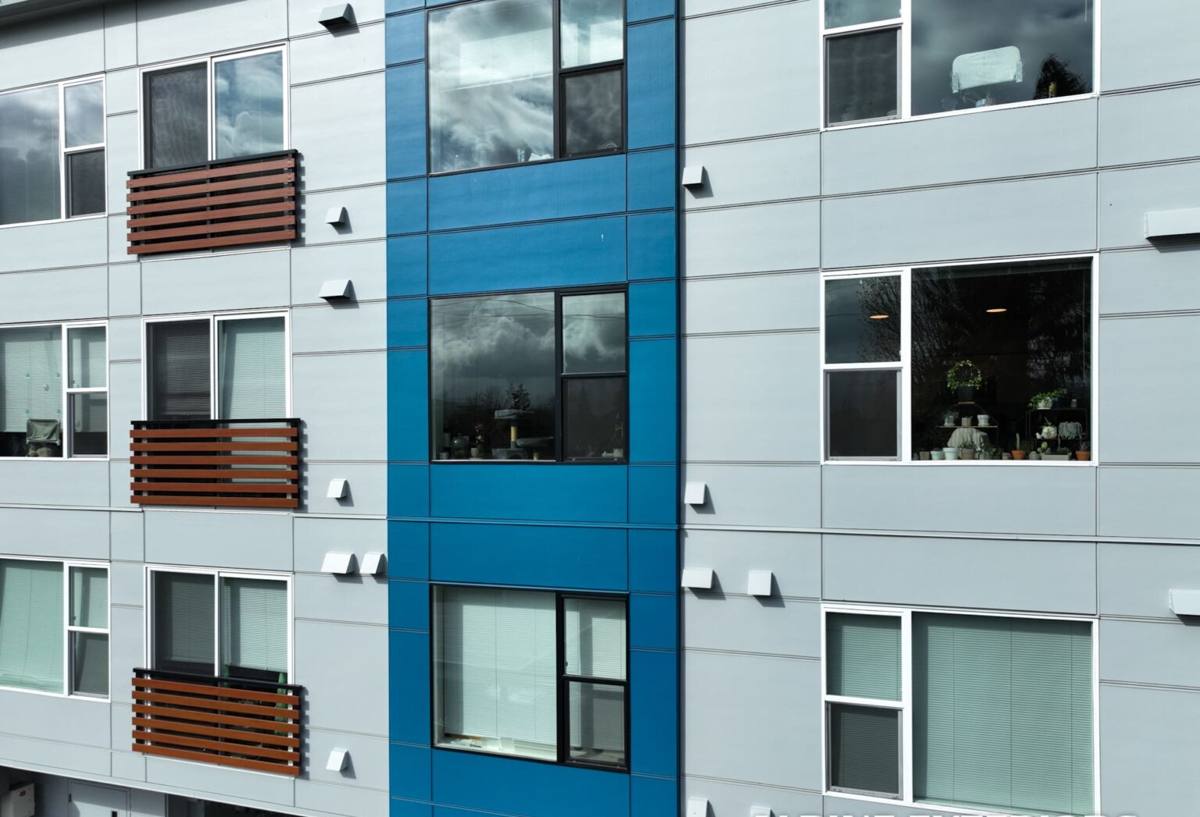
What Salt Air, Rain, and Moss Actually Do to a Window
Salt and Marine Air
Airborne salt is corrosive to bare or poorly coated metal. On windows, that shows up first in hardware — locks, cranks, hinges, and balance systems — which can start to pit, stiffen, or fail years ahead of schedule if they weren't specified for coastal exposure. It also accelerates the breakdown of low-quality finishes on aluminum frames and can degrade weatherstripping faster than it would inland. The fix isn't complicated, but it does mean paying attention to hardware grade and frame coatings that most homeowners never think to ask about.
Driving Rain and Wind
Storms off the water don't just drop rain straight down — wind pushes it sideways and forces it into any gap in the flashing, trim, or sealant around a window. A window can be perfectly good and still leak if it wasn't installed with the right water management behind the frame. This is where most window failures we see actually start: not with the window itself, but with flashing and sealant details that were rushed or skipped during a prior installation.
Moss and Persistent Moisture
Skagit County's damp, mild winters and shaded lots around older La Conner properties are ideal for moss and algae growth on sills, trim, and anywhere water sits instead of draining. Beyond the cosmetic issue, trapped moisture against wood trim or sills is a slow path to rot. Windows with proper sloped sills, drainage, and durable trim materials shed that moisture instead of holding it against the building.
What "Custom" Means for a La Conner Window Job
Sizing for Older and Irregular Openings
A lot of La Conner homes predate modern window standards, and additions or past remodels can leave openings that are slightly out of square or a non-standard size. Custom windows are built to the actual measured opening rather than forcing the house to accept a stock size, which means less shimming, fewer gaps to seal badly, and a cleaner finished look both inside and out — especially important on homes in or near the historic district where exterior appearance matters.
Matching the Home's Character
Waterfront cottages, historic-district homes, and newer builds around La Conner call for different looks — true divided lites or simulated grids on older homes, cleaner modern lines on newer construction. Custom ordering lets us match grid patterns, frame profiles, and exterior colors to the house instead of settling for whatever a supplier has in stock.
Glass Packages for This Climate
Double-pane, low-E glass with argon fill is the baseline we recommend for this area — it manages heat loss through our wet, mild winters and cuts glare and UV fading from long summer daylight hours. For homes right on the water, we also talk through impact-resistant or laminated glass options where wind-driven debris or storm exposure is a real concern, and tempered glass anywhere code requires it near doors, low sills, or wet areas.
Comparing Window Materials for Salt Air and Moisture Exposure
There's no single "best" window material for every La Conner home — the right choice depends on exposure, budget, and how much upkeep you want to take on. Here's how the common options actually perform in this environment:
| Material | Salt Air Performance | Moisture/Rot Resistance | Maintenance |
|---|---|---|---|
| Vinyl | Good — won't corrode | Excellent, no rot risk | Low; occasional cleaning |
| Fiberglass | Very good — stable, corrosion-proof | Excellent | Low; holds paint/finish well |
| Wood-clad (exterior clad) | Good on clad surfaces; interior wood needs protection | Good if properly sealed and maintained | Moderate; interior wood needs periodic attention |
| Aluminum (uncoated or low-grade) | Poor without marine-grade coating | Fair; prone to condensation without thermal break | Higher; watch for pitting and corrosion |
For most La Conner homes, especially anything within direct view of the water, we steer people toward vinyl or fiberglass because they simply don't corrode and hold up to salt exposure with minimal upkeep. Wood-clad windows can look excellent on historic or higher-end homes, but we're honest with clients that they come with a real maintenance commitment — sealed and inspected regularly, they perform well; neglected, the interior wood is what fails first. We generally don't recommend uncoated aluminum for water-facing exposures in this area; the corrosion risk and condensation issues just aren't worth it when better options exist at a comparable price point.
Our Installation Process
- On-site assessment: We measure every opening by hand, check for square, and inspect existing flashing, sills, and any signs of rot or past water intrusion.
- Product selection: We walk through material, glass package, grid style, and hardware options based on your home's exposure and look — not a one-size-fits-all recommendation.
- Custom order: Windows are manufactured to your exact opening dimensions rather than adjusted from stock sizes.
- Removal and prep: Old windows come out carefully, and we inspect the framing underneath before anything new goes in — this is where hidden rot or old, failed flashing gets caught.
- Flashing and water management: Proper house-wrap integration, flashing tape, and sloped sill pans go in before the window does. This step is the single biggest factor in whether a window stays leak-free through driving rain.
- Setting and sealing: The window is leveled, shimmed, fastened per manufacturer spec, and sealed with exterior-grade sealant rated for our climate.
- Interior and exterior finish: Trim, caulking, and insulation are finished cleanly on both sides.
- Final walkthrough: We test operation, check seals, and walk the job with you before calling it done.
Signs Your La Conner Home's Windows Need Attention
- Visible moss, algae, or black staining building up on sills or trim
- Fogging or condensation between panes (a sign the seal has failed)
- Drafts or cold spots near the frame during winter storms
- Wood trim that feels soft, spongy, or shows paint bubbling
- Hardware that's stiff, corroded, or won't lock smoothly
- Water staining on interior walls or sills after wind-driven rain
- Difficulty opening or closing, or windows that no longer sit flush
- Visible daylight or gaps around the frame from outside
Any one of these on its own might just mean routine maintenance. Several together, especially on a water-facing wall, usually means it's time to have the windows and the framing behind them properly inspected.
Why It Matters That We Already Work in La Conner
A crew that only occasionally works this close to the water can miss things that are obvious to someone who deals with it regularly — like which flashing details actually hold up to wind-driven rain here, or which hardware finishes are worth the upgrade in salt air and which aren't. Working throughout Skagit County means we're already familiar with the mix of older and newer construction around La Conner, the permitting expectations for exterior work in and near the historic district, and the practical realities of scheduling around this area's wetter months. That local familiarity translates into fewer surprises during the job and a window installation that's actually built for where it's going, not just installed by the book.
Protecting Your Investment After Installation
A properly installed custom window should need very little from you, but a few habits go a long way in this climate:
| Task | Why It Matters Here | Frequency |
|---|---|---|
| Rinse sills and frames | Removes salt residue before it can pit hardware or finishes | 2–3 times per year |
| Clear moss/debris from sills and tracks | Prevents trapped moisture and staining | Seasonally, especially fall/winter |
| Inspect exterior caulking | Cracked sealant is the most common cause of new leaks | Annually |
| Lubricate hardware | Keeps locks and cranks working smoothly despite salt air | 1–2 times per year |
| Check for condensation between panes | Early sign of seal failure while it's still a warranty issue | Ongoing, visually |
None of this takes much time, but it's the difference between windows that quietly do their job for decades and ones that start showing problems well before they should.
Let's Talk About Your Windows
If you're dealing with drafty, foggy, or moss-stained windows, or you're planning ahead for a home on or near the water, we're happy to come take a look. We'll give you a straight assessment of what's going on, what your material and glass options are, and what a correct installation for your specific home would involve — no pressure, no upsell. Fill out the form below for a free estimate.