 Anacortes Siding
 Why March Point's Location Makes Window Choice Different
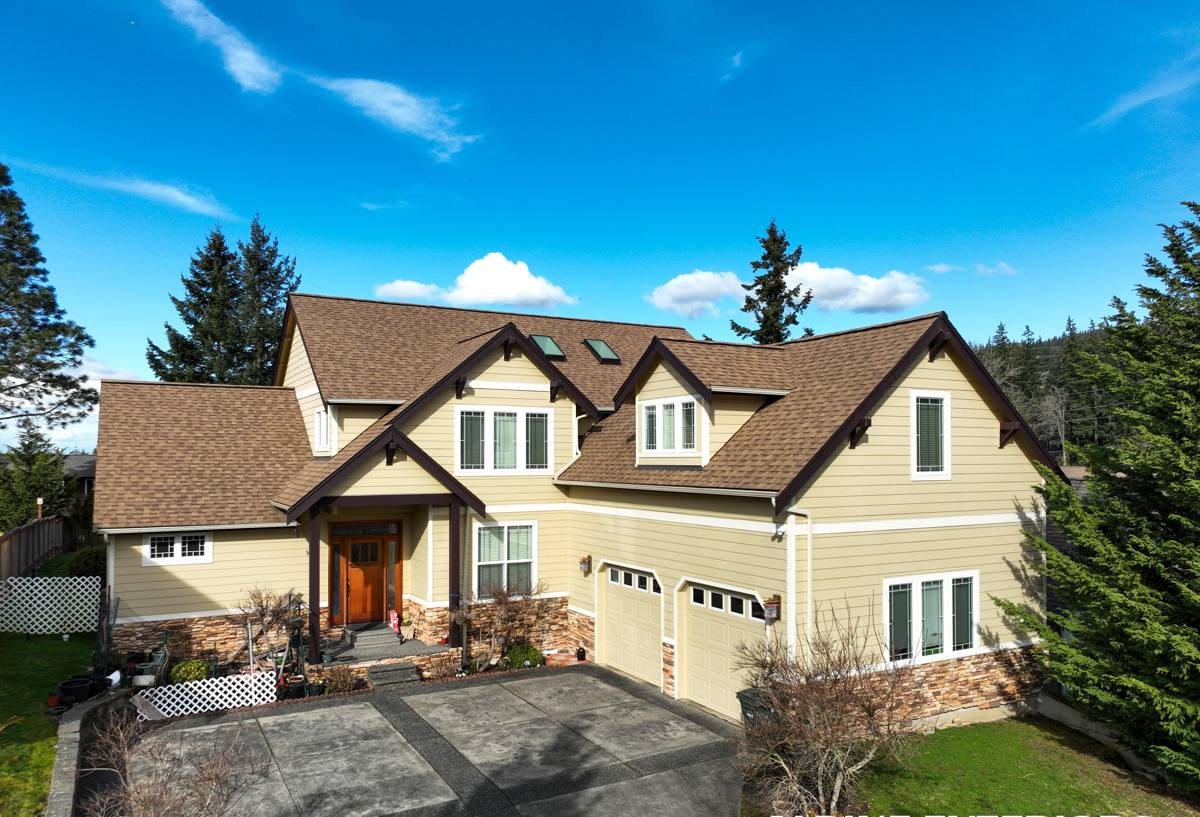
March Point sits out on the water, surrounded by Fidalgo Bay and Padilla Bay, which means homes here take a different kind of weather beating than houses a few miles inland in Anacortes proper. Wind comes off the bay with salt in it, rain arrives sideways more often than straight down, and the low, damp air that settles over Skagit County for much of the year keeps wood, vinyl, and metal surfaces wet longer than they'd stay in a drier climate. Windows are one of the first places that shows up as higher energy bills, fogged glass, or soft trim around the frame.
None of that means March Point homes need exotic or unusual windows. It means the basics — glass package, frame material, and especially the installation and flashing details — matter more here than they would somewhere sheltered. That's the lens we use on every window job in this neighborhood.
What "Energy-Efficient" Actually Means for This Climate
Energy-efficient windows get marketed with a lot of numbers, but only a few of them matter for a home exposed to bay wind and driving rain:
- U-factor — how much heat escapes through the window. Lower is better for our mild-but-damp winters, where the goal is keeping heat in more than keeping heat out.
- Air infiltration rating — how tight the window seals against wind-driven air. This matters more on an exposed, waterfront-adjacent lot than it does for a sheltered inland home.
- Condensation resistance — how well the window handles the temperature swing between cold glass and humid indoor air, which is a common complaint we hear from homeowners in this area during the wetter months.
- Frame material and seal quality — the part that actually determines whether the window still performs the way it should in five or ten years of salt air and rain exposure.
A window with a great efficiency rating on paper but a poor installation will underperform a modest window installed correctly. We treat the installation as at least as important as the product spec sheet.
Signs a March Point Home Needs New Windows
Most homeowners don't call about windows until something is obviously wrong, but there are earlier signs worth acting on before they turn into a bigger repair:
- Fogging or a visible haze between panes — the seal on the insulated glass unit has failed and moisture has gotten inside.
- Drafts you can feel near the frame, even with the window latched shut.
- Soft, spongy, or discolored trim or sill, especially on walls that face the water or take the brunt of prevailing wind.
- Visible moss or persistent green staining building up on the sill or exterior casing — a common sight during Skagit County's long moss season and often a sign that water is sitting where it shouldn't.
- Windows that are difficult to open, close, or lock, which usually points to a frame that's shifted or swollen from moisture.
- A noticeable jump in heating costs without any other explanation.
Any one of these on its own isn't an emergency, but a few together usually means the windows — or the flashing and sealant around them — have reached the end of their useful life.
What a Correct Window Installation Actually Involves
It's Not Just Swapping Glass
A window replacement done right is mostly about what you can't see once it's finished. The window unit itself is only part of the job — the flashing, house wrap integration, and sealant details around it are what actually keep water out over the long run in a wind-and-rain-exposed spot like March Point.
Our Process
- Remove the old window carefully and inspect the rough opening, sill, and surrounding framing for any hidden rot or moisture damage before anything new goes in.
- Repair any damaged framing or sheathing we find — installing a new window over a compromised opening just hides a problem instead of solving it.
- Install flashing correctly, lapped to shed water downward and outward, tied properly into the house wrap so water can't get behind the siding.
- Set and shim the window so it's plumb, level, and square, then fasten it per the manufacturer's specification — over- or under-fastening both cause problems later.
- Seal and insulate the gap between the frame and the rough opening with the right materials, not just a bead of caulk around the outside.
- Finish the interior and exterior trim and do a final operation check on every window before we call the job done.
Skip or rush any one of those steps and you can end up with a window that looks fine but leaks, drafts, or fails early — which defeats the purpose of paying for an energy-efficient upgrade in the first place.
Frame Materials: What Holds Up Near the Water
We install several window materials, and the right one depends on your home's style, budget, and exposure. Here's how the common options compare for a bay-adjacent, high-moisture setting like March Point:
| Material | Strengths Here | Trade-Offs to Know |
|---|---|---|
| Vinyl | Won't rot, good value, low maintenance, solid efficiency | Can expand/contract with temperature swings; quality varies a lot by manufacturer |
| Fiberglass | Very stable, handles moisture and temperature swings well, long lifespan | Higher upfront cost than vinyl |
| Wood-clad (exterior-clad) | Classic look, good interior warmth | Cladding seams need attention; bare wood exposure is a poor fit for salt air and constant rain |
| Aluminum | Strong, slim sightlines | Poor insulator on its own and prone to condensation unless thermally broken — we generally steer clients away from it here for that reason |
For most March Point homes, we recommend vinyl or fiberglass with a quality insulated glass package. It's not that other materials can't work — it's that they demand more maintenance discipline to hold up against this specific climate, and we'd rather set honest expectations upfront than sell a product that turns into a headache in a few years.
Glass Packages Worth the Money Here
Double-pane, low-E, argon-filled glass is the standard baseline for this region and performs well in our mild winters and cool summers. Triple-pane glass exists and does offer a modest efficiency bump, but for most homes on the west side of the Cascades the extra cost doesn't pay back as quickly as it might in a colder climate — we'll walk through the real math for your specific home rather than upsell by default.
What matters more locally is the low-E coating and gas fill being intact and the spacer system between the panes being one that resists seal failure over time, since that's the failure mode we see most often in older insulated glass units in this area.
What Windows Typically Cost — and What Drives the Price
We don't publish fixed pricing because every home and window count is different, but these are the factors that actually move the number:
| Factor | How It Affects Cost |
|---|---|
| Frame material | Vinyl is generally the most affordable; fiberglass and wood-clad run higher |
| Number of windows | Per-unit cost typically drops as the total job size grows |
| Existing damage | Rotted framing or sheathing found during removal adds repair cost before the new window goes in |
| Installation type | Full-frame replacement (down to the studs) costs more than an insert replacement into an existing, sound frame |
| Window size and style | Larger units, custom shapes, and operable styles beyond a standard slider or double-hung cost more than stock sizes |
A broad range for a straightforward, quality vinyl window replacement runs from a few hundred to over a thousand dollars per window installed, with fiberglass and larger or custom units running higher. We'll give you an itemized number for your home rather than a vague estimate once we've actually looked at the windows in question.
What to Ask Before You Hire Anyone for This Job
Window replacement is one of those jobs where a bad install can cost more to fix later than it would have cost to do right the first time. Before you sign anything, it's worth asking:
- Are you licensed and insured to do exterior work in Washington State?
- Will you inspect the rough opening and framing before installing, and what happens if you find rot or damage?
- What's your flashing and sealing method, specifically?
- What warranty covers the installation itself, separate from the manufacturer's product warranty?
- Can you walk me through the glass package and frame material you're recommending, and why?
- Do you have experience with homes in this area specifically, and can you speak to how the climate here affects the job?
A contractor who answers these clearly and specifically, rather than in vague marketing language, is generally the safer bet.
Why It Matters That We Already Work in March Point
We're based in Anacortes and work throughout Skagit County, and March Point's exposure — bay wind, salt air, and a moss season that runs longer than most people expect — is a known quantity for us, not a surprise. That shows up in small but real ways: knowing to check certain framing details more carefully on water-facing walls, choosing frame materials and sealant products that actually hold up to this specific combination of salt and moisture, and not being caught off guard by conditions a crew from outside the area might not anticipate. It's the difference between a window install that looks right on install day and one that's still performing correctly five winters from now.
If your windows are drafty, fogged, hard to operate, or just old enough that you're wondering, we're happy to take a look and give you a straight answer — including telling you if a repair makes more sense than a full replacement. Reach out using the form below for a free, no-pressure estimate on your March Point home.