 Anacortes Siding
 Siding That Has to Work in Skagit County's Weather, Not Just Look Good on Day One
Mount Vernon sits inland from the open water of the Sound, but it isn't sheltered from what that water sends inland. The Skagit Valley pulls in the same marine air mass that soaks Anacortes and the rest of Skagit County — moisture-heavy, salt-tinged, and persistent for most of the year. Add driving rain off the water, low winter sun angles that keep north- and west-facing walls damp for days at a time, and a moss and mildew season that can run eight months or longer, and you have a climate that is genuinely hard on exterior building materials. Siding here isn't just a cosmetic choice. It's the first line of defense against water intrusion, rot, and the slow biological growth that eats into paint and substrate year after year.
We install fiber cement siding — specifically James Hardie products — on homes throughout this part of Skagit County, and Mount Vernon jobs make up a steady share of that work. This page covers what local homes actually need from their siding, what a correct fiber cement installation looks like in this climate, and how our process works from first estimate to finished wall.
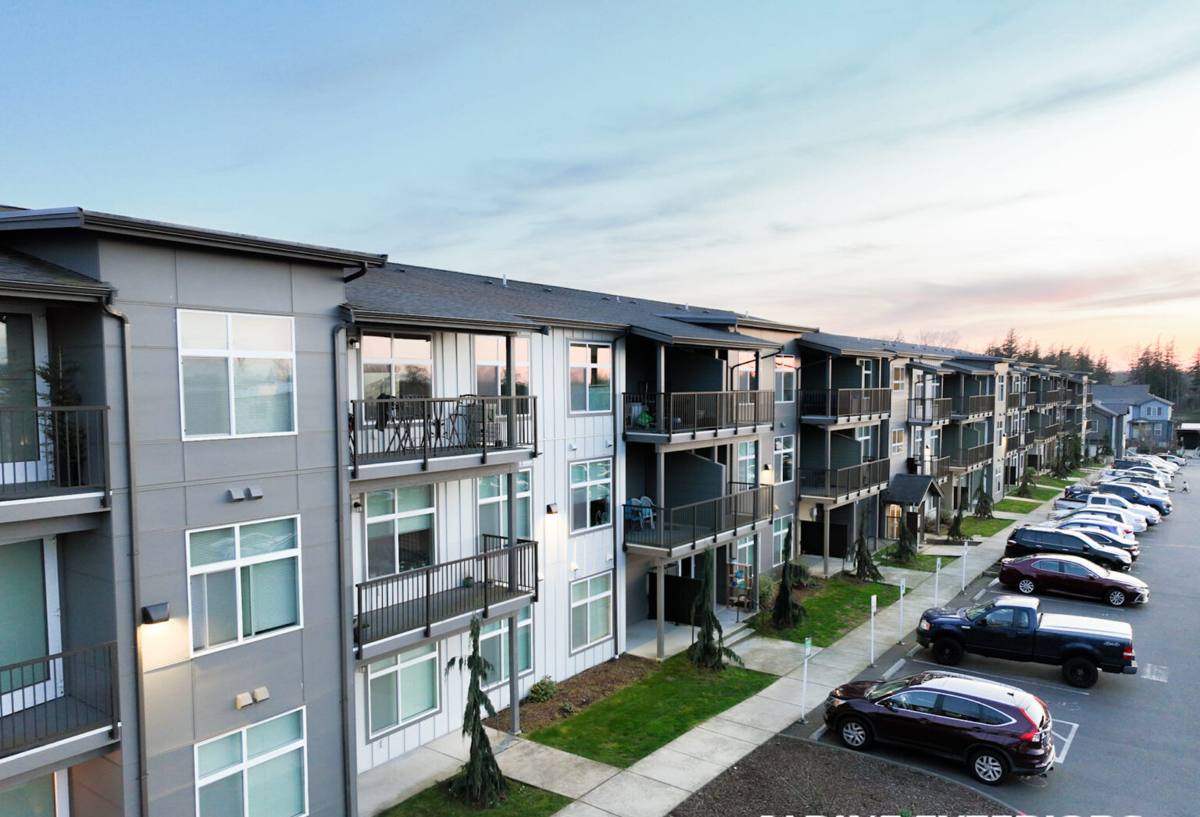
What This Climate Does to the Wrong Siding
Every siding material reacts differently to sustained moisture and salt-influenced air. Understanding the failure patterns is what should drive the material decision, not the other way around.
- Vinyl siding expands and contracts with temperature swings and can warp or bow when it's fastened too tight or exposed to reflected heat — and once a panel is compromised, wind-driven rain finds the gap behind it.
- Untreated or primed wood and cedar need a maintenance schedule that's hard to keep up with in a climate this wet. Miss a recoat cycle by even a year or two and moss, mildew, and rot get a foothold that's expensive to reverse.
- Engineered wood products like LP SmartSide perform well when installation is flawless, but they're strand-based wood — any breach in the factory coating or field-cut edge that isn't properly sealed becomes a moisture entry point, and edge swelling is a known risk in wet marine climates.
Fiber cement doesn't eliminate every risk in a wet climate — no exterior product does — but it removes the material itself as the weak link. It won't rot, it isn't wood-based, and it holds paint and factory finish far longer under UV and moisture cycling than the alternatives above.
Why We Install Only James Hardie Fiber Cement
We standardized on James Hardie products because, installed to spec, they hold up to exactly the conditions Mount Vernon and the surrounding valley deal with every year:
- Non-combustible core — fiber cement doesn't feed a fire the way wood-based siding can.
- ColorPlus factory finish — baked-on color that resists fading and holds up to driving rain and salt-influenced air far better than field-applied paint, with a finish warranty backing it.
- Climate-engineered HZ product lines — Hardie manufactures siding formulated for specific climate zones, including the wetter, moderate Pacific Northwest zone this region falls into, rather than a single one-size-fits-all formula.
- A strong, transferable limited warranty — useful protection if you sell the home before the siding's service life is up, which matters in a market like this one.
We don't install LP SmartSide, vinyl, Cemplank, Allura, primed spruce, or cedar. That's not a knock on every homeowner who has one of those products on their house today — it's a professional standard we hold for what we put on new work, based on what actually performs over decades in this climate.
What a Correct Installation Actually Involves
Fiber cement is only as good as the installation behind it. Most of the siding failures we get called out to inspect in this region trace back to installation shortcuts, not the material itself. A correct job includes:
| Step | Why It Matters in This Climate |
|---|---|
| Weather-resistant barrier installed and lapped correctly | Backstops the siding as a secondary drainage plane if any water gets past the cladding |
| Proper flashing at windows, doors, and roof-wall intersections | These are the highest-risk points for water intrusion during driving rain |
| Correct fastener type, spacing, and penetration depth | Under- or over-driven fasteners crack panels or leave gaps that trap moisture |
| Manufacturer-specified clearances from grade, roofing, and decks | Keeps splash-back and standing moisture off the bottom edge of the siding |
| Caulked and painted cut edges | Field cuts expose raw fiber cement that needs sealing to match factory protection |
| Rainscreen or drainage gap where called for | Lets incidental moisture behind the siding dry out instead of sitting against the wall |
Every one of those steps is spelled out in James Hardie's installation manual, and every one of them is also exactly where corners get cut when a crew is unfamiliar with the product or working fast to hit a price. Correct installation is what makes the difference between siding that reaches its full service life and siding that fails early despite being a good product.
Moss and Algae: Prevention Starts at Installation
A long moss season is part of life in Skagit County, and no siding is moss-proof. But the right installation reduces how much of a foothold moss and algae get. Proper drainage details keep panels from sitting in standing moisture, factory ColorPlus finish sheds growth better than field-applied paint, and correct clearance from grade and landscaping keeps the bottom courses out of the dampest, shadiest zone right at ground level — usually the first place moss shows up on a wall.
Signs Your Current Siding Is Already Losing the Fight
If you're deciding whether it's time to replace siding on a Mount Vernon home, look for these before committing to another repaint or patch job:
- Soft or spongy spots when you press on the siding, especially near the bottom courses or under windows
- Paint that's peeling or bubbling rather than just fading — often a sign moisture is trapped behind the surface
- Visible gaps, warping, or bowing in panels, particularly on walls that take the most wind-driven rain
- Moss or algae that returns within months of cleaning, suggesting a drainage or moisture problem rather than just a surface issue
- Cracked or missing caulk at trim, windows, and butt joints
- Rising utility bills or drafts that suggest the wall assembly behind the siding has been compromised
Any one of these on its own might just need a repair. Several at once, especially on an older wood or vinyl-clad home, usually means the siding system as a whole has reached the end of its useful life.
Our Process, Start to Finish
A siding replacement is disruptive to live through, so we keep the process straightforward:
- Free on-site estimate — we walk the exterior, look at existing siding condition, moisture points, and trim details, and talk through Hardie product and color options that fit the home.
- Written scope and pricing — a clear breakdown of what's included, from tear-off through finish work, before anything is signed.
- Prep and moisture barrier — removal of old siding, inspection of sheathing for hidden damage, and installation of the weather-resistant barrier and flashing details.
- Fiber cement installation — panels or planks installed to Hardie's fastening, clearance, and sealing specifications.
- Trim, caulk, and final finish — cut-edge sealing, trim details, and a final walkthrough with you before we call it done.
We don't skip the prep work to get to the visible siding faster. The barrier and flashing details you can't see after the job is done are the ones that determine whether the siding lasts.
Cost Factors for a Mount Vernon Project
Every home is different, so we don't quote broad numbers without seeing the job, but the main factors that move a project's cost are consistent:
| Factor | Why It Affects Cost |
|---|---|
| Home size and wall complexity | More square footage and more corners, gables, and cutouts mean more material and labor |
| Condition of existing sheathing | Rot or damage found during tear-off adds repair work before new siding can go on |
| Siding profile chosen | Lap siding, panel siding, and shingle-style products differ in material and install time |
| Trim and detail work | Corner boards, window trim, and accent details add labor beyond the flat wall area |
| Access and site conditions | Tight lots, multiple stories, or landscaping close to the house affect setup time |
The only way to get an accurate number is a walk-through of the actual house, which is what the free estimate is for.
Why Hiring a Crew That Already Works This Area Matters
Fiber cement installation isn't exotic, but doing it correctly for this specific climate takes more than reading the manual once. A crew that regularly works Mount Vernon and the surrounding Skagit County area has already seen how driving rain hits different wall orientations, where moss tends to establish first on local homes, and how the marine-influenced air here compares to drier parts of the state where a lot of general contracting crews learned their habits. That local pattern recognition shows up in the small decisions — where to add extra flashing attention, which details to double-check on an older home's sheathing, how to sequence a job around this region's rain windows — that a manual alone doesn't teach.
It also matters for warranty follow-through. A crew that's still working in the area next year, and the year after, is the one that shows up if a warranty question comes up down the road.
Get a Free, No-Pressure Estimate
If your Mount Vernon home's siding is showing its age, or you're planning ahead for a replacement, we're happy to take a look and walk you through what James Hardie fiber cement would involve for your specific house — no obligation, no pressure. Use the form below to request a free estimate.