 Anacortes Siding
 Roofing Built for Skagit County, Not a Catalog Photo
Mount Vernon sits in the Skagit Valley, close enough to the water that homes here deal with a version of Northwest weather that's harder on a roof than most manufacturers' warranty language accounts for. You get long stretches of steady, driving rain from fall through spring, humid air that never fully dries out, and enough marine influence drifting in from the Sound and the river corridor to accelerate corrosion on the wrong fasteners and flashing. Layer in shaded, tree-lined lots common around Mount Vernon and you get moss and algae growth that can shorten a roof's real service life well below its rated years if the install wasn't done with this climate in mind.
A new roof installation here isn't just "shingles on plywood." It's a system — decking, underlayment, flashing, ventilation, and the final roofing material — that has to work together to shed water fast, resist moss colonization, and survive decades of Pacific Northwest weather without hidden rot setting in underneath.
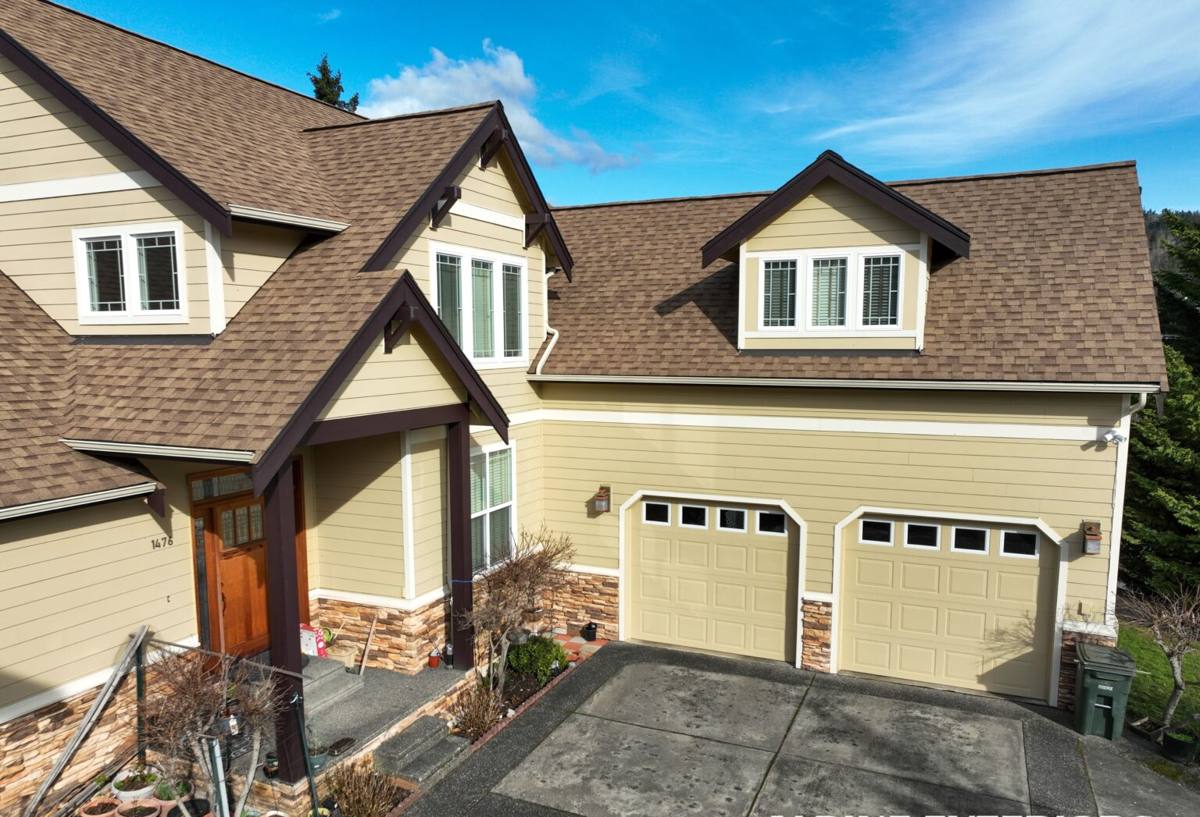
Signs a Mount Vernon Home Needs a New Roof, Not Another Repair
Roofs rarely fail all at once. In this climate, the warning signs usually show up as a slow accumulation of small problems that add up to one conclusion: repair isn't worth it anymore.
- Shingles that are cupping, curling, or losing granules in the gutters
- Moss or dark streaking that keeps coming back within a year or two of cleaning
- Soft spots in the decking you can feel underfoot in the attic
- Daylight visible through the roof deck from inside the attic
- Water stains on interior ceilings, especially near valleys or chimneys
- A roof that's 20+ years old and has never had underlayment or flashing replaced
If you're seeing two or more of these, a full replacement is usually more cost-effective long term than another round of patch repairs — especially once moisture has reached the decking.
What a Correct Roof Installation Actually Involves
Tear-Off and Deck Inspection
We start by removing the old roofing down to bare decking. This is the step that gets skipped or rushed on cheap jobs, and it's the one that matters most in a wet climate like this one. Once the old material is off, we inspect every sheet of decking for soft spots, delamination, or rot — problems that are invisible from the ground or even from inside the attic until the roof is opened up. Any compromised decking gets replaced before anything else goes down. Roofing over bad decking just hides a structural problem under a brand-new surface.
Underlayment and Ice/Water Protection
Underlayment is the roof's backup layer if wind-driven rain ever gets under the primary roofing material — which happens more often in coastal-influenced storms than most homeowners realize. We use synthetic underlayment across the field and self-adhering ice-and-water membrane at the vulnerable spots: eaves, valleys, and around penetrations, where wind-driven rain is most likely to work its way backward under a shingle edge.
Flashing
Flashing around chimneys, skylights, sidewalls, and roof-to-wall transitions is where the majority of roof leaks actually originate — not in the open field of shingles. We install new metal flashing at every one of these transitions rather than reusing old, bent, or rusted flashing to save time. In a climate with this much sustained rainfall, worn flashing is a leak waiting for the next storm.
Ventilation
A roof needs balanced intake and exhaust ventilation to let moisture escape the attic space. Without it, humid indoor air condenses against the underside of the decking, which rots wood from the inside and voids many shingle warranties outright. We check and correct ventilation as part of every installation, not as an upsell afterward.
Roofing Materials: What Actually Holds Up Here
There's no single "best" roofing material for every home — it depends on your roof pitch, budget, and how much moss and moisture resistance you want to pay for up front. Here's how the common options compare for a Mount Vernon property.
| Material | Typical Lifespan | Moss/Moisture Resistance | Notes for This Climate |
|---|---|---|---|
| Architectural asphalt shingle | 25–30 years | Good with algae-resistant granules | Most common choice locally; good balance of cost and performance |
| 3-tab asphalt shingle | 15–20 years | Fair | Lower upfront cost but shorter life in this rainfall pattern |
| Metal (standing seam) | 40–60 years | Excellent | Sheds moss and water fast; higher upfront cost, minimal maintenance |
| Composite/synthetic shake | 30–50 years | Good | Cedar look without the moisture-absorption issues of real wood shakes |
We steer most Skagit County homeowners away from untreated wood shake and low-end 3-tab shingle for anything but a tight budget. Wood shake holds moisture against itself in a climate that rarely gets a long enough dry stretch to let it fully dry out between rains, which shortens its real-world life regardless of the manufacturer's rated lifespan. That's a maintenance-burden tradeoff worth knowing before you commit, not a knock on the product itself.
Our Installation Process
- On-site inspection and estimate — we walk the roof, check the attic, and measure before quoting anything
- Material selection — we go over options and tradeoffs based on your budget and roof design
- Scheduling — we work around Skagit Valley weather windows rather than promising a date we can't control
- Tear-off and deck repair — old material removed, decking inspected and repaired as needed
- Underlayment, flashing, and ventilation install — the parts that determine whether the roof actually stays watertight
- New roofing material installed — per manufacturer specification, not shortcuts
- Cleanup and final walkthrough — magnetic sweep for nails, debris hauled off, and a walk of the finished roof with you
Moss, Moisture, and the Realities of a Long Wet Season
Moss isn't just cosmetic. Once it establishes on a roof, its roots hold moisture against the shingle surface and, over time, work under the edges and granules, accelerating wear well beyond normal weathering. Homes around Mount Vernon with tree cover or north-facing roof slopes that don't get much direct sun are especially prone to it because those areas stay damp longer between rain events.
Two things reduce moss risk at installation: algae-resistant shingles (most quality architectural shingles now include copper or zinc granules for this) and proper attic ventilation, which keeps the roof deck itself from staying persistently damp from the inside. We also recommend keeping overhanging branches trimmed back and gutters clear — moss spores travel easily from debris sitting in a clogged gutter onto the roof surface itself.
Cost Factors for a Mount Vernon Roof Replacement
Every roof is different, so we won't quote a number without seeing yours, but the factors that move the price are consistent from job to job.
| Factor | How It Affects Cost |
|---|---|
| Roof size and complexity | More valleys, dormers, and penetrations mean more labor and flashing detail |
| Roof pitch and accessibility | Steep or hard-to-access roofs require more safety setup and time |
| Decking condition | Rotted or soft decking found during tear-off adds material and labor |
| Material choice | Asphalt shingle is the budget baseline; metal and composite cost more upfront |
| Layers of existing roofing | Multiple old layers mean more tear-off and disposal work |
Be cautious of any bid that's dramatically lower than the others you've collected — it usually means shortcuts in underlayment, flashing, or decking repair that won't show up until the next wet season.
Why It Matters to Hire a Crew That Already Works Mount Vernon
Roofing crews who work regularly in Skagit County know which flashing details and underlayment upgrades are worth the extra cost here versus in a drier climate, and which roof designs around this area tend to develop moss or ventilation problems first. That local pattern recognition shows up in fewer callbacks and a roof that's actually built for the rain it's going to see, not a generic install that happens to be located in Mount Vernon. It also means a crew that isn't learning the region's weather timing on your project — scheduling tear-off and dry-in around Skagit Valley rain patterns is a real skill, not a guess.
What to Ask Before You Hire
- Are you licensed and insured to do roofing work in Washington State?
- Will you provide a written scope that specifies underlayment type and flashing replacement, not just "roofing installed"?
- What happens if you find rotted decking once tear-off starts?
- What's the manufacturer's warranty, and what's your own workmanship warranty?
- Can I see recent local references or examples of similar roofs you've installed?
- How do you handle scheduling around rain delays?
A contractor who answers these clearly and in writing, without pressure to sign on the spot, is doing the job the right way.
If your roof is showing its age or you just want a straight, no-pressure look at what it would take to replace it correctly, we're happy to come take a look. Use the form below to request a free estimate — no obligation, no sales pressure, just an honest assessment of your roof.