 Anacortes Siding
 Siding Repair Built for Oak Harbor's Marine Climate
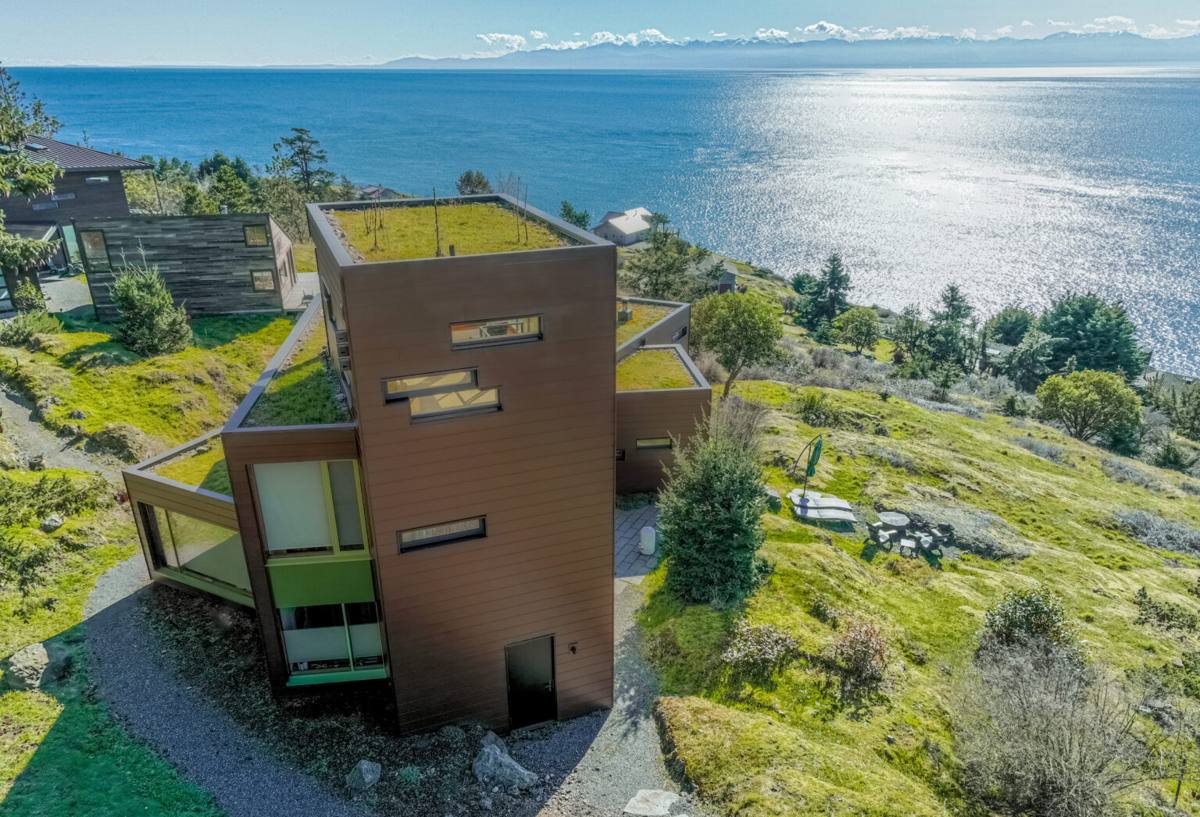
Oak Harbor sits on Whidbey Island along the Puget Sound shoreline, a short water crossing from our home base in Anacortes on Fidalgo Island. Homes here take on a different kind of weather than siding twenty miles inland. Salt-laden air moves off the water almost daily, wind-driven rain hits walls at an angle instead of falling straight down, and shaded, damp yards grow moss on siding surfaces for a good chunk of the year. None of that means your siding is doomed — it means repairs here have to account for conditions that a general contractor from outside the area might not think to check.
This page covers what siding repair actually involves for an Oak Harbor home, how we decide what can be fixed versus what needs to be replaced, and why local experience with this specific stretch of coastline changes the outcome of the work.
What Salt Air, Rain, and Moss Do to Siding Over Time
Salt Air and Corrosion
Airborne salt doesn't just affect boats and cars. It settles on siding surfaces and, more importantly, on the fasteners, flashing, and trim hardware behind and around them. Over years, that salt exposure accelerates corrosion on lower-quality fasteners and metal flashing, which is often the real cause of a siding problem that looks like it's "just the panel." A repair that only addresses the visible siding and ignores corroded fasteners underneath tends to fail again within a couple of years.
Driving Rain and Wind-Driven Moisture
Storms coming off the Sound don't always drop water straight down. Wind-driven rain gets pushed sideways and upward into laps, seams, butt joints, and anywhere trim meets siding. On a well-built wall, that moisture is supposed to shed harmlessly. On a wall with a compromised joint, failed caulking, or a gap in the weather-resistive barrier, that same rain finds its way behind the siding — and the damage shows up as staining, soft spots, or bubbling paint long before anyone sees an actual hole.
Moss, Algae, and Trapped Moisture
Shaded north-facing walls and areas near mature trees or dense landscaping stay damp for extended stretches, especially through the wetter months. Moss and algae growth on siding is more than a cosmetic issue — it holds moisture against the surface, which is exactly the condition that causes rot in wood-based products and accelerates coating breakdown on almost any siding material. A repair plan for an Oak Harbor home needs to address why a section stays wet, not just clean or patch what's visible.
Signs Your Oak Harbor Home Needs Siding Repair
Most siding problems give warning signs well before they become expensive. Worth checking for, especially heading into the wetter part of the year:
- Soft or spongy spots when you press on siding, especially near the bottom courses or below windows
- Visible cracking, warping, or buckling panels, particularly on walls facing prevailing wind and rain
- Peeling or bubbling paint, which often signals moisture trapped behind the surface rather than a simple paint failure
- Persistent moss, algae, or dark streaking that keeps returning after cleaning
- Gaps opening up at seams, corners, or where siding meets trim, window, or door frames
- Rust staining running down from fasteners or metal flashing
- Musty smells or visible staining on interior walls that back up to exterior siding
- Higher heating bills without another clear explanation, which can point to air and moisture getting through gaps in the wall assembly
Repair or Replace? How We Make That Call
Not every siding problem calls for a full replacement, and not every siding problem should be patched. The right call depends on how much of the wall is affected, what's causing the damage, and how old the existing material is. Here's how we generally weigh it:
| Factor | Leans toward repair | Leans toward replacement |
|---|---|---|
| Extent of damage | Isolated to one or two sections or panels | Spread across multiple walls or elevations |
| Cause | One-time event: storm impact, a single failed seal | Ongoing moisture intrusion or systemic installation flaws |
| Material condition | Surrounding siding is sound and holding paint well | Siding is brittle, delaminating, or near end of service life |
| What's behind the siding | Sheathing and framing test dry on inspection | Rot or sustained moisture found in sheathing or framing |
| Match quality | Replacement material can closely match existing profile and color | Discontinued product or major weathering makes matching impractical |
We'll always tell you honestly which category your situation falls into. If a targeted repair will hold up, that's what we recommend — there's no reason to sell a homeowner a full replacement when a section fix will do the job correctly.
What a Correct Siding Repair Actually Involves
A siding repair that's done right goes further than swapping out a damaged piece. The steps that actually determine whether a repair lasts:
Diagnose Beyond the Visible Damage
Before any siding comes off, we look at what's causing the problem — a failed flashing detail, a caulking joint that's given out, a drainage issue at grade, or trapped moisture from vegetation too close to the wall. Replacing a damaged panel without fixing the underlying cause just buys a few more years before the same spot fails again.
Check What's Behind the Siding
Once a section is opened up, we check the sheathing, framing, and weather-resistive barrier for moisture damage or rot. In a marine climate like Oak Harbor's, this step matters more than it does further inland — water that's been getting behind siding for a season or two can do real damage to the structure even while the exterior still looks mostly fine.
Match Material and Profile
A repair that's visibly mismatched — wrong reveal, wrong texture, wrong finish — is a cosmetic failure even if it's structurally sound. We match plank width, texture, and color as closely as the existing material allows, which is one of the reasons we standardized on a single siding product rather than juggling matches across multiple brands.
Correct Fastening and Sealant Work
Fastener placement, spacing, and type affect how well a repaired section holds up to wind-driven rain and coastal air. We use fasteners and sealants rated for the exposure this area actually sees, not whatever happens to be on the truck.
Why We Repair — and Replace — Only With James Hardie Fiber Cement
We install and repair with James Hardie fiber cement exclusively. We don't work with vinyl, LP SmartSide, primed wood, or other fiber cement brands, and that's a deliberate standard, not a limitation we're apologizing for. A few reasons it matters specifically for repair work:
- Non-combustible material that doesn't warp, rot, or attract pests the way wood-based sidings can, which matters in a damp climate where moisture exposure is constant
- ColorPlus factory finish gives us a consistent, fade-resistant color match when patching a section, instead of hand-painting a repair that visibly ages differently than the rest of the wall
- HZ5 climate-engineered product line is built for exactly the wet, marine conditions Whidbey Island and Fidalgo Island homes deal with
- A strong transferable warranty backs the material itself, which is worth more when a home changes hands than a patchwork of mismatched repairs
When we repair a Hardie-sided home, we're matching into a system we already know inside and out. When we repair a home currently sided in something else, we'll tell you honestly whether a like-for-like patch makes sense or whether it's worth discussing a longer-term move to a material that won't keep bringing you back to this same conversation.
Our Process for Oak Harbor Siding Repairs
- Inspection. We walk the exterior, check problem areas you've flagged, and look at walls that tend to take the worst of the weather — usually the sides facing prevailing wind and rain.
- Diagnosis. We identify the actual cause of the damage, not just the visible symptom, including a check of what's happening behind the siding where accessible.
- Honest recommendation. You get a clear repair-or-replace recommendation with the reasoning behind it, in plain language.
- The repair. We remove only what needs to come out, address the underlying cause, and install matched material with correct fastening and sealant work.
- Cleanup and walkthrough. We leave the site clean and walk the finished work with you before we consider the job done.
Why Hiring a Crew That Already Works Oak Harbor Matters
A siding contractor based well inland, or one that only occasionally works this side of the water, doesn't always account for how differently coastal exposure treats a wall. We work Oak Harbor and the surrounding Whidbey and Fidalgo Island communities regularly, which means:
- We know which wall orientations and details tend to fail first in this specific climate, so inspections are faster and more accurate
- We're used to scheduling around the marine weather patterns here rather than working off a generic forecast
- We carry familiarity with the moisture and salt-air conditions that drive material choice, fastener selection, and sealant type
- We're not learning the local building department's requirements for the first time on your project
Maintaining Repaired Siding Between Service Visits
A correct repair should hold up for years, but a little homeowner maintenance stretches that further in this climate:
- Rinse siding periodically to clear salt residue, pollen, and organic buildup before it turns into moss or algae
- Trim back vegetation and tree branches that keep a wall section shaded and damp
- Check caulking at trim, window, and door joints yearly and reseal anything that's cracked or pulled away
- Keep gutters and downspouts clear so roof runoff isn't dumping extra water down a wall
- Walk the exterior after major storms and note any new damage before it has a chance to worsen
If you're seeing damage, staining, or persistent moss on your Oak Harbor home's siding, we're glad to take a look and give you a straight answer on what it actually needs. Reach out for a free, no-pressure estimate using the form below.