 Anacortes Siding
 Building Decks for Old Town Anacortes
Old Town Anacortes is one of the older residential pockets close to the water, and the homes here reflect it — a mix of early-1900s cottages, mid-century remodels, and newer infill, most sitting on lots that back up to view corridors, alleys, or steep grade changes typical of this part of Skagit County. A deck built for this neighborhood has to do two jobs at once: hold up to the marine climate and fit a streetscape where a lot of houses already have real character. We've built and repaired decks throughout Old Town long enough to know what tends to fail here first, and what homeowners actually want when they call us.
This page is specifically about custom deck construction and replacement in Old Town Anacortes — not a general overview of decking. If you're comparing materials, planning a rebuild, or trying to figure out why your current deck feels soft underfoot, this is written for that conversation.
What This Climate Does to a Deck
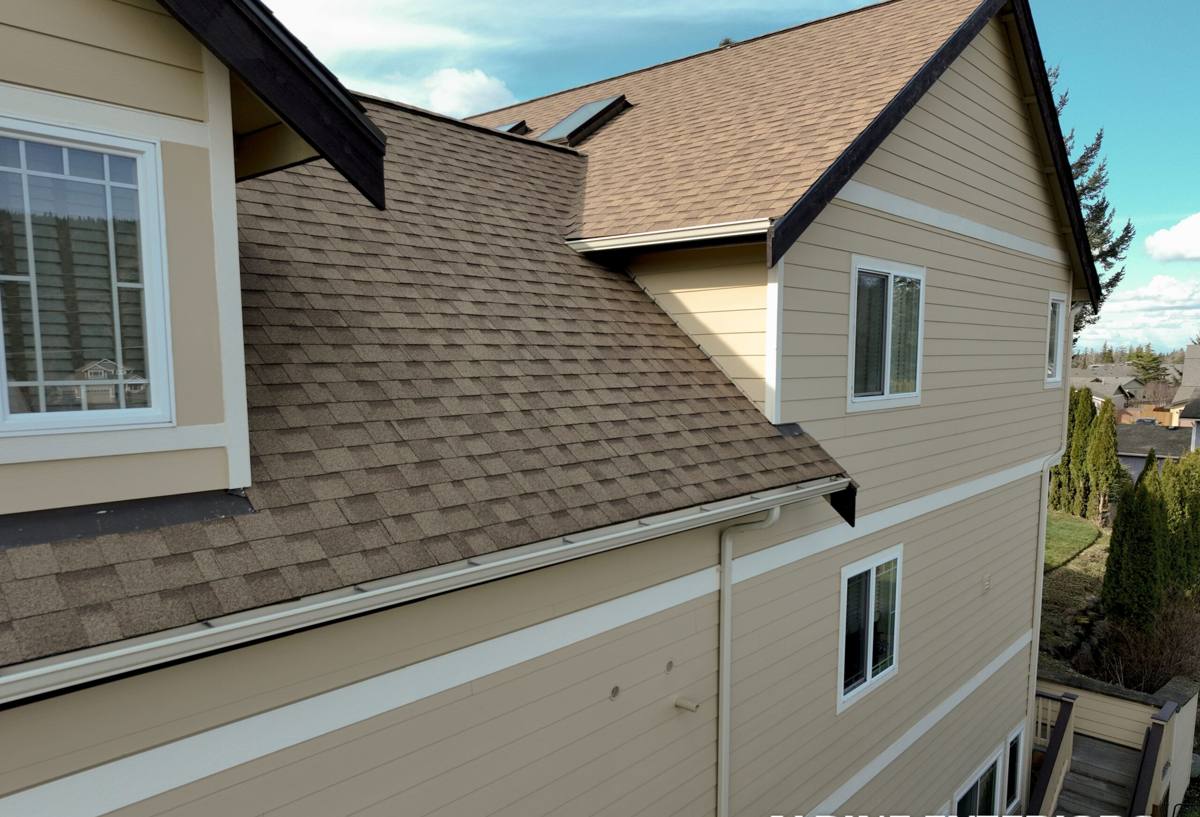
Anacortes sits right on the water, and Old Town is close enough to it that salt air is a daily fact of life, not an occasional one. Combine that with Skagit County's long stretch of driving rain from fall through spring, and a deck here is under more sustained moisture and corrosion pressure than the same structure would see twenty miles inland. Add a shaded lot or mature trees — common on the older, more established streets in this neighborhood — and you get an extended moss season that keeps surfaces damp well after the rain itself has stopped.
- Salt air corrosion: Standard fasteners, brackets, and hardware corrode faster near the water. We use coated or stainless fastening systems rated for coastal exposure, not whatever's cheapest at the yard.
- Prolonged dampness: Wood surfaces that don't get much sun or airflow stay wet longer, which accelerates rot at joints, ledger boards, and anywhere two pieces of material trap moisture between them.
- Moss and algae: Beyond being slippery and unattractive, moss holds moisture against the decking surface, which is exactly the condition that breaks down wood fiber and coatings over time.
- Freeze-thaw cycling: Not as severe as inland Skagit County, but Anacortes still gets cold snaps that can crack water-saturated wood or stress poorly sealed fastener holes.
None of this means a deck in Old Town can't last. It means the build details — fastener choice, flashing, ledger attachment, and material selection — matter more here than they would in a drier climate.
What a Correct Deck Build Involves
The Structure You Don't See
A deck's lifespan is decided mostly by what's underneath the decking boards. Ledger attachment to the house, proper flashing behind that ledger, joist spacing, and post footings set below frost depth all determine whether the deck stays solid or starts to feel spongy in five years instead of twenty. On older Old Town homes, we also check what the deck is attaching to — older framing and siding sometimes need extra attention to make sure the ledger connection is actually sound, not just bolted to whatever's there.
Fasteners and Hardware
Given the salt air, we don't treat hardware as an afterthought. Structural connectors, joist hangers, and fasteners are matched to the decking material and rated for coastal, high-moisture exposure. Mixing incompatible metals (say, the wrong fastener with a certain treated lumber or composite) causes accelerated corrosion — a detail that's easy to get wrong and expensive to fix later.
Drainage and Airflow
Standing water and trapped moisture are the enemy. Proper board spacing, deck-to-house clearance, and grading beneath the structure all help water move off the deck and away from the house instead of pooling. On shaded or tree-covered lots, we also think about airflow underneath the deck so the space beneath doesn't stay perpetually damp — a major contributor to moss and mildew.
Material Options for This Neighborhood
There's no single "right" material for every Old Town deck — it depends on your budget, how much upkeep you want to do, and how the deck fits the house. Here's the honest trade-off breakdown we walk homeowners through:
| Material | Upfront Cost | Maintenance | Moisture Performance | Best Fit |
|---|---|---|---|---|
| Pressure-treated lumber | Lowest | Annual cleaning + periodic sealing | Good if sealed and maintained consistently | Budget-conscious rebuilds, traditional look |
| Cedar | Mid | Regular sealing, more sensitive to neglect | Naturally rot-resistant but needs upkeep near the water | Homeowners who want a natural wood look and will maintain it |
| Composite decking | Higher | Occasional washing, no sealing/staining | Excellent — doesn't rot, resists moss staining better than wood | Low-maintenance priority, long-term hold |
| PVC decking | Highest | Minimal | Best moisture resistance of the group | Maximum durability in a demanding coastal climate |
For Old Town specifically — with the salt exposure and moss season already noted — composite and PVC decking tend to hold their appearance longer with less work. That said, plenty of homeowners here still choose treated lumber or cedar because it fits the character of an older home, and that's a legitimate call as long as you go in knowing the maintenance commitment.
Design Considerations Specific to Old Town
A lot of Old Town lots have grade changes, view priorities toward the water, and homes with established architectural character that a bolted-on modern deck can clash with. We design decks to work with the lot rather than fight it:
- Multi-level decks or stepped platforms on sloped lots, instead of one massive elevated structure that dominates the yard
- Railing and post styles that complement the house's existing trim and era rather than looking like a mismatched add-on
- Stair placement and orientation that account for how the property actually gets used — access to the yard, driveway, or a view
- Shade and tree considerations that factor into decking material choice, since some materials handle prolonged shade and moss exposure better than others
Permitting
Deck projects in Anacortes and Skagit County typically require a building permit once you're past a certain size or height threshold, and older homes sometimes have setback or lot-line quirks that affect what's allowed. We handle the permit process as part of the job so you're not the one chasing down city requirements.
Repair vs. Full Rebuild
Not every deck in Old Town needs to be torn out. If the structural framing is sound and the problems are limited to surface boards, railings, or isolated rot, a repair or partial resurface can extend the deck's life for a reasonable cost. But there are signs that point toward a full rebuild instead of throwing money at patches:
- Soft, spongy, or bouncy decking when you walk across it — usually a sign of joist or framing rot, not just a surface problem
- Rust staining or visibly corroded hardware, especially around the ledger board
- A ledger board separating from the house, or gaps opening up at that connection
- Persistent moss or dark staining that keeps coming back within weeks of cleaning
- Posts or footings that feel loose or have shifted
We'll always tell you honestly which category your deck falls into. A repair that's really a rebuild in disguise just costs you twice.
Our Process
- On-site assessment: We look at the existing structure (if there is one), the lot's grade and drainage, sun/shade exposure, and how the deck will connect to the house.
- Design and material selection: We walk through material trade-offs based on your budget, maintenance appetite, and how the deck should look against the house.
- Permitting: We handle the Anacortes/Skagit County permit submission and coordinate any required inspections.
- Build: Proper footings, ledger flashing, coastal-rated hardware, and correct spacing and drainage throughout — the details that determine whether this deck lasts.
- Walkthrough: We go over basic care for whatever material you chose, so you know what upkeep (if any) to expect.
Why a Local Crew Matters Here
Old Town's mix of older homes, coastal exposure, and lot-specific quirks isn't something you learn from a spec sheet — it's something you learn by building here repeatedly. A crew that already works this neighborhood knows which hardware holds up against the salt air, how moss behaves on shaded lots near the water, and what older Anacortes framing typically needs when you're attaching a new structure to it. That local pattern-recognition is what keeps a deck from becoming a five-year problem instead of a twenty-year asset.
If you're planning a new deck or trying to figure out what to do with an aging one in Old Town Anacortes, we're glad to come take a look. There's no pressure and no cost to get our honest read on your options — just fill out the form below to set up a free estimate.