 Anacortes Siding
 Deck Repair That Accounts for Sedro-Woolley's Weather
A deck in Sedro-Woolley works harder than most homeowners realize. Skagit County sees long stretches of driving rain from fall through spring, a moss season that can run half the year in shaded yards, and enough freeze-thaw swings in winter to open up cracks that were barely visible in summer. Sedro-Woolley sits inland from the salt water off Anacortes, so decks here get less direct salt spray than homes right on the coast, but the valley's humidity, fog, and standing moisture do their own version of the same damage — swelling wood fibers, feeding fungal growth, and working fasteners loose one season at a time.
Deck repair done right in this area isn't cosmetic. It's about finding where water is actually getting into the structure, fixing that path, and then replacing only what's actually failed — not the whole deck, unless that's genuinely what's needed.
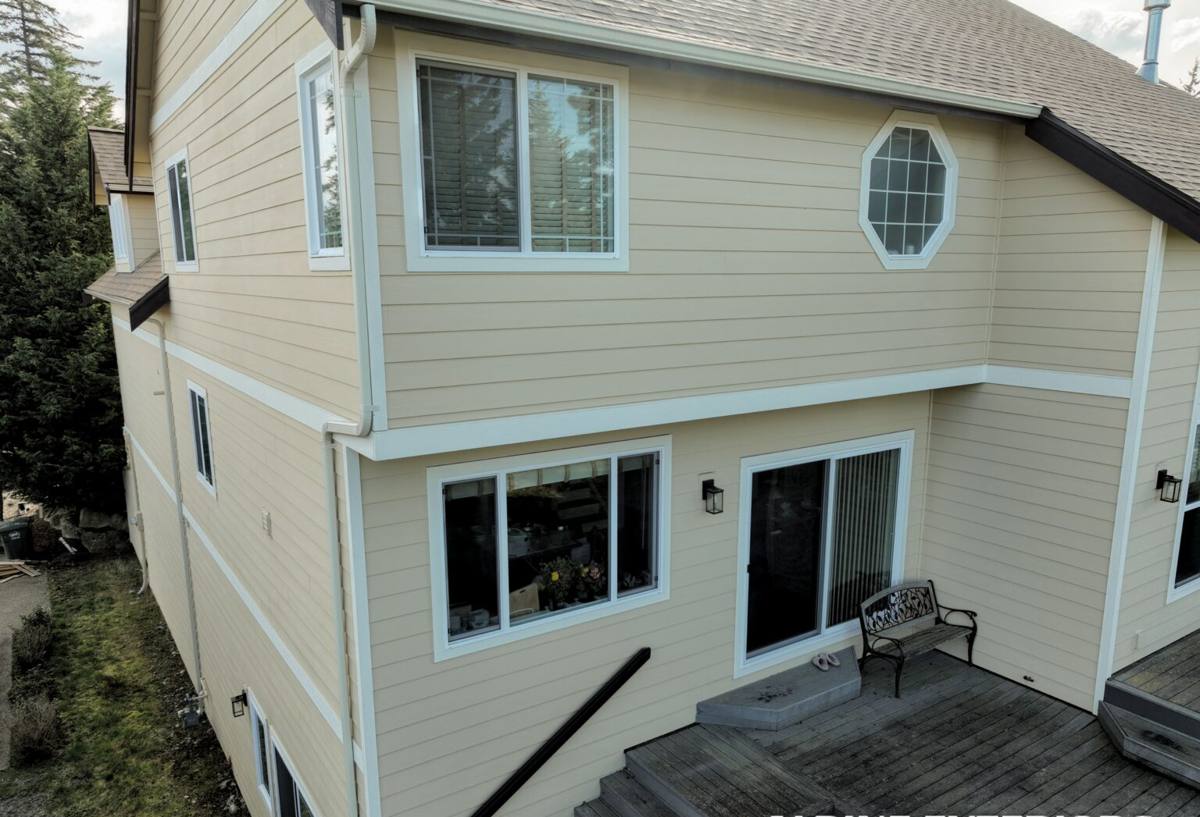
How the Regional Climate Wears Down a Deck
Rain and Standing Moisture
Decking boards are built to shed water off the top surface, but the real damage almost always happens underneath — at the ledger board where the deck attaches to the house, around post bases, and at any spot where two pieces of wood sit face to face and trap moisture between them. In a climate with as much annual rainfall as Skagit County gets, any gap in flashing or any board laid without a drainage gap becomes a slow leak that doesn't show itself until the wood underneath is already soft.
Moss and Organic Growth
Shaded yards, tree cover, and the region's mild, damp winters are ideal conditions for moss and algae to take hold on horizontal wood surfaces. Beyond looking bad, moss holds moisture against the board surface far longer than open air would, which accelerates rot underneath a layer that looks intact on top. A deck that gets scrubbed or pressure washed without addressing what's feeding the moss will just grow it back within a season.
Freeze-Thaw Cycling
Sedro-Woolley gets enough cold snaps each winter that any water sitting in a crack, a fastener hole, or a checked board will freeze, expand, and widen that opening. Repeat that cycle over several winters and small surface cracks turn into split boards and loosened joints — often faster than the wood's age alone would suggest.
Signs Your Deck Needs Repair Now
Most deck failures give warning signs well before anything becomes unsafe. Catching them early is usually the difference between a repair bill and a full rebuild.
- Boards that feel spongy, springy, or soft underfoot, especially near the house or stair landing
- Visible gaps opening up between the deck and the house wall where the ledger board attaches
- Rust streaks running down from fasteners or metal connectors
- Railings or posts that wobble or flex when leaned on
- Dark staining, moss buildup, or a musty smell concentrated in one area of the deck
- Stair stringers that feel uneven, bouncy, or show cracking at the notches
- Gaps between decking boards that have closed up completely, trapping debris and moisture
- Visible daylight or gaps where flashing meets the house siding above the deck
Any one of these on its own might be a minor fix. Several at once, especially near the ledger connection or support posts, usually means it's worth having someone look at the structure underneath, not just the surface.
What a Proper Deck Repair Actually Involves
Starting Below the Decking
Surface boards are the easy part to see and the easy part to replace. The harder, more important work is checking the framing underneath — joists, beams, posts, and especially the ledger board where the deck ties into the house. If the ledger connection has been letting water behind it, that's the repair that actually matters; new decking on top of a compromised ledger just delays the same problem.
Fasteners and Hardware
A lot of deck problems trace back to the wrong fasteners for the wood and the weather. Coated or stainless-steel fasteners matter in a climate this damp — standard fasteners corrode, and corroding fasteners loosen their grip on the wood around them well before the board itself has failed. Part of a real repair is replacing failed fasteners and hardware with something rated to hold up in wet, humid conditions long-term, not just whatever matches on the shelf.
Flashing and Drainage
Where the deck meets the house is the single most common failure point we see. Proper flashing — installed correctly, lapped the right direction, and sealed where it needs to be — keeps water from running behind the siding and into the ledger connection. Fixing surface rot without correcting bad flashing means the same damage comes back in a year or two.
Railings and Stairs
Railings and stair stringers take direct structural load from people using the deck, and they're also the parts most exposed to weather from multiple sides. Repairs here need to meet the same structural standard as the original build, not just be reattached to whatever they were loosely fastened to before.
Repair or Replace: How We Help You Decide
Not every deck problem calls for the same fix, and a straight answer up front saves homeowners money and false starts. The table below covers the factors that typically decide which direction makes sense.
| Factor | Usually Points to Repair | Usually Points to Replacement |
|---|---|---|
| Framing condition | Joists and ledger are solid; damage is isolated | Rot has spread through multiple structural members |
| Age of the deck | Under 15-20 years, built to a reasonable standard | Well past typical service life for the materials used |
| Extent of damage | A few boards, one railing section, or one flashing failure | Damage recurring in multiple areas over multiple seasons |
| Original build quality | Sound layout, adequate fasteners, decent original flashing | Undersized framing, poor original ledger attachment |
| Budget goals | Address the failure point now, extend usable life | Long-term investment, possible layout or material changes wanted |
In most cases we can give you a repair-first recommendation and be upfront if we think a full rebuild would actually save money over patching the same failure point repeatedly.
Our Deck Repair Process
- Inspection: We check the decking surface, but also get underneath to look at joists, the ledger connection, post bases, and any existing flashing.
- Diagnosis: We identify the actual source of moisture intrusion or structural failure, not just the visible symptom.
- Scope and estimate: You get a clear breakdown of what needs to be fixed, what's optional, and roughly what each part costs — no pressure to bundle in work that isn't needed.
- Repair: We replace failed boards, framing, or hardware; correct flashing and drainage issues; and rebuild railings or stairs to a proper structural standard.
- Cleanup and check: Fasteners, connections, and the repaired area get a final check before we consider the job done.
Materials: What We Use and Why
Pressure-treated lumber remains a solid, cost-effective choice for framing and is what most decks in this region are built on. For visible decking boards, both wood and composite have a place, and the right call depends on the homeowner's priorities:
- Wood decking costs less upfront and is easy to spot-repair board by board, but it needs regular sealing or staining to hold up against Skagit County's rain and moss cycle
- Composite decking resists moisture and moss buildup better with less annual upkeep, but individual boards can be pricier to source and replace, and it depends on correct spacing and fastening to perform as intended
Whichever material a deck already uses, our standard is matching the repair to what will actually perform in this climate long-term, not just what's cheapest to install today. That includes using corrosion-resistant fasteners throughout and never skipping flashing details because they're hidden once the boards go back down.
Why a Crew That Already Works Sedro-Woolley Matters
Deck problems in this area follow patterns — the same ledger flashing mistakes, the same moss-prone shaded corners, the same freeze-thaw cracking near stair stringers. A crew that regularly works decks in Sedro-Woolley and the wider Anacortes area has already seen how local weather plays out on real decks over years, not just in theory. That means faster, more accurate diagnosis, and repairs built to actually hold up through the next wet season rather than needing to be revisited.
It also means straightforward communication about permits, timelines, and what's realistic to schedule around Skagit County's wetter months, so the work gets done at a point in the year when it can cure and settle properly.
Get a Free, No-Pressure Estimate
If your deck has soft spots, loose railings, moss buildup, or a ledger board that looks like it's letting water in, it's worth having someone take a real look before the next rainy season adds to the damage. Fill out the form below for a free estimate on deck repair in Sedro-Woolley — no pressure, just a straight assessment of what's actually going on and what it would take to fix it right.