 Anacortes Siding
 Roofing on Fidalgo Island's Exposed Shoreline
Ship Harbor sits right at the edge of Fidalgo Island, close enough to the water that homes here take on weather most inland Skagit County neighborhoods never see. Wind comes straight off the strait, rain arrives sideways more often than straight down, and the air itself carries salt that settles on every exposed surface of a roof. None of that is a reason to avoid asphalt shingles — it's one of the most practical, cost-effective roofing materials available, and it holds up well here when it's installed with this specific location in mind. The problem isn't the material. It's when a roof gets installed the same way it would be in a dry, sheltered subdivision twenty miles inland, with no adjustment for what a waterfront-adjacent property actually deals with year-round.
We work on roofs throughout Anacortes and the surrounding areas of Skagit County, and Ship Harbor comes with its own short list of things that matter more here than elsewhere: salt exposure, sustained wind loading, near-constant moisture for a good chunk of the year, and the shade and moss growth that comes with tree cover close to the shoreline. A roof built for this spot needs to account for all of it from the start.
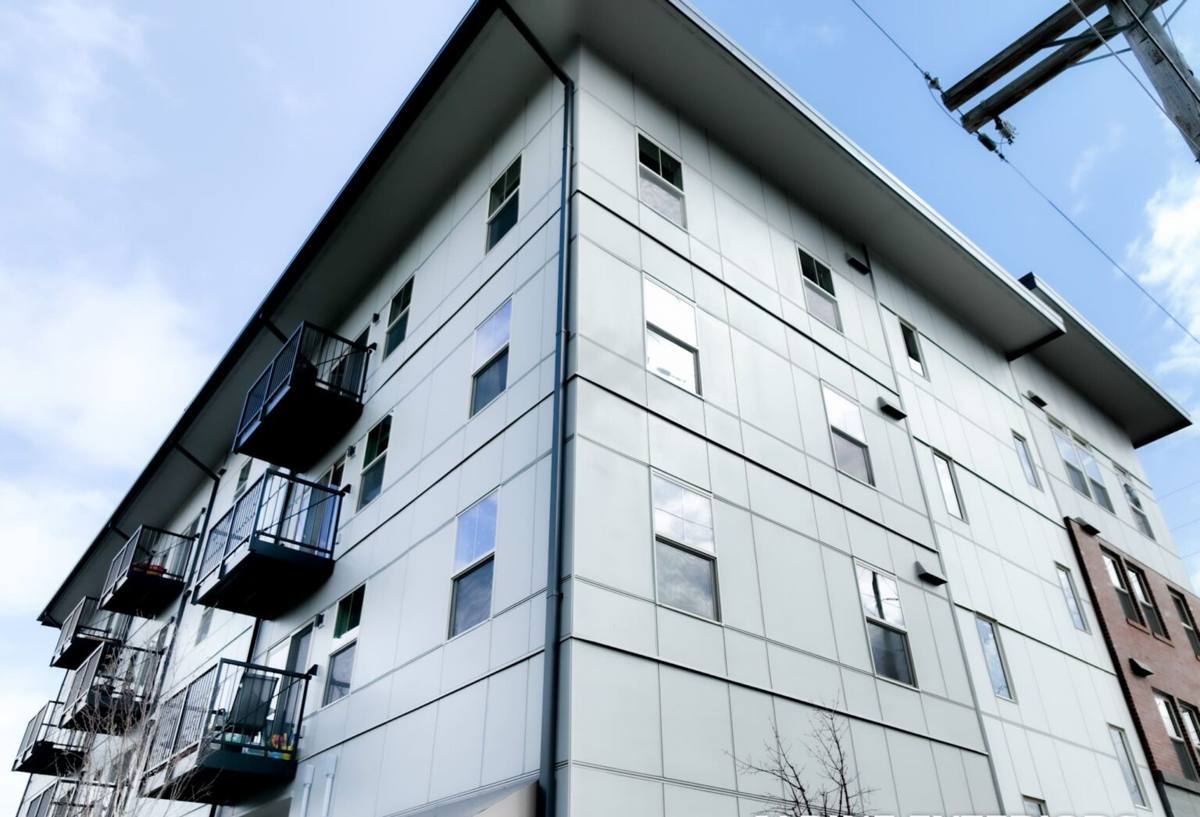
What Salt Air and Coastal Moisture Actually Do to a Shingle Roof
Salt-laden air isn't just a coastal cliché — it has a real, measurable effect on roofing components over time. Understanding what it targets helps explain why certain installation choices matter more here than in a drier, inland climate.
Metal Components Take the First Hit
Exposed nail heads, flashing, drip edge, and any roof vents made from lower-grade metal are the first parts of a roof to show wear in a salt-air environment. Corrosion doesn't happen overnight, but it happens faster here than it would twenty miles east, and once a fastener or flashing seam starts to degrade, it becomes a leak point long before the shingles themselves are due for replacement.
Granule Loss Speeds Up With Constant Moisture Cycling
Asphalt shingles rely on their surface granules for UV protection and weather resistance. In a climate that stays damp for long stretches — rather than cycling through hard freezes — the wear pattern is different than what you'd see in a colder, drier region. Constant moisture exposure combined with salt residue can accelerate granule loss on the shingle surface, particularly on slopes that don't get much sun to dry out between rain events.
Shaded, Moisture-Retaining Areas Grow Moss and Algae
Ship Harbor's tree cover and marine humidity create ideal conditions for moss and algae on north-facing slopes and anywhere debris collects. Left unchecked, moss doesn't just look bad — it lifts shingle edges, holds water against the roof deck, and shortens the life of an otherwise sound roof.
What a Correctly Built Shingle Roof Needs in This Climate
A roof that's going to hold up in Ship Harbor's conditions needs a few things done right that a cut-rate install often skips.
Ventilation That Keeps Moisture Moving
Balanced intake and exhaust ventilation matters everywhere, but it matters more in a climate where the attic space is dealing with damp outside air for months at a time. Poor ventilation traps moisture against the underside of the roof deck, which leads to premature decking failure and interior moisture problems that have nothing to do with the shingles themselves. We check existing ventilation on every roof and correct it as part of a replacement — not as an upsell, but because a new roof installed over bad ventilation fails faster.
Flashing and Underlayment Details That Actually Stop Leaks
Most roof leaks trace back to flashing — around chimneys, skylights, sidewalls, and valleys — not the shingle field itself. In a high-wind, high-rain environment like Ship Harbor, we pay close attention to step flashing at wall intersections, proper valley construction, and self-adhered ice-and-water membrane at eaves and valleys where wind-driven rain is most likely to work its way underneath the shingle edge. Corrosion-resistant fasteners and flashing materials are worth the extra cost here specifically because of the salt exposure discussed above.
Fastening for Wind Exposure
Homes with a direct or partial line to the water see higher sustained wind loads than sheltered inland lots. Correct nail placement, nail count, and shingle sealant activation all affect how well a roof holds up in wind — and shortcuts here are invisible until the first real windstorm pulls shingles loose.
Choosing the Right Asphalt Shingle for a Ship Harbor Home
Not every asphalt shingle product is built the same way, and the right choice depends on how exposed your particular roof is to wind, shade, and moisture.
| Shingle Type | Best Suited For | Considerations in This Climate |
|---|---|---|
| Standard 3-tab | Budget-conscious projects, secondary structures | Lower wind rating and shorter lifespan; less margin for error in exposed, coastal-adjacent locations |
| Architectural / laminate | Most primary homes | Heavier, better wind resistance, longer warranty life; the standard choice for most Ship Harbor roofs |
| Algae-resistant (copper- or zinc-infused granules) | Shaded roofs, homes with heavy tree cover | Actively resists moss and algae growth on north-facing slopes; a smart upgrade given local shade and moisture |
| High wind-rated architectural | Homes with direct or partial water exposure | Rated for higher sustained wind speeds; worth discussing if your roof takes wind head-on |
We don't push a single product on every roof. The right shingle depends on how much tree cover your lot has, which direction your roof slopes face, and how exposed the home is to wind off the water — all things we look at during the estimate, not after the contract is signed.
Our Process for a Ship Harbor Shingle Roof Replacement
Every roof gets a full inspection before we talk about products or pricing. From there, the work itself follows a consistent sequence designed to catch problems before they get covered up by new shingles.
- Full roof and attic inspection, including current ventilation and any signs of trapped moisture
- Complete tear-off of old roofing material — never installed over existing layers
- Decking inspection and repair or replacement of any soft, water-damaged sheathing
- Self-adhered ice-and-water membrane at eaves, valleys, and other vulnerable transitions
- Synthetic underlayment across the full roof deck
- Corrosion-resistant drip edge, step flashing, and valley flashing installed correctly, not caulked as a substitute
- Shingle installation to manufacturer wind-rating specifications
- Ventilation correction or upgrade where needed
- Full site cleanup, including a magnetic sweep for stray nails
- Final walk-through so you know exactly what was done and why
Moss, Algae, and Keeping a Coastal Roof Healthy Long-Term
A correctly installed roof still needs some ongoing attention in a climate like this one. Moss season generally runs from fall through spring, and roofs with any shade — from mature trees or a neighboring structure — will need periodic attention even with algae-resistant shingles installed. Keeping gutters clear so water doesn't back up under the shingle edge, and having moss physically removed rather than power-washed off, protects both the shingles and the granule coating that gives them their weather resistance. Pressure washing strips granules and can shorten a roof's life faster than the moss it's meant to remove — a soft, low-pressure approach or manual removal is the safer long-term choice.
If your lot backs up to trees or sits in shade for a meaningful part of the day, it's worth having someone check the roof at least once a year, even between major inspections. Catching a moss patch early is a five-minute fix. Letting it sit through two or three wet seasons can mean replacing decking that didn't need to fail.
Repair or Replace? What to Look For
Not every roof problem in Ship Harbor means a full replacement. The right call depends on a handful of factors that are worth understanding before you get a quote.
| Factor | Leans Toward Repair | Leans Toward Replacement |
|---|---|---|
| Age of roof | Under 15 years, single layer | Approaching or past typical shingle lifespan |
| Granule loss | Isolated to one slope or area | Widespread across most of the roof |
| Decking condition | Solid, no soft spots found | Soft decking or signs of trapped moisture |
| Flashing condition | Localized corrosion or gaps | Widespread flashing failure or corrosion |
| Moss/algae history | First occurrence, caught early | Recurring, long-term growth affecting multiple slopes |
We'll give you a straight answer on which side of that line your roof falls on. If a repair genuinely solves the problem, that's what we'll recommend — a roof replacement isn't the right answer just because it's the bigger job.
Why Local Experience in Ship Harbor Matters
A roofing crew that hasn't worked this specific stretch of Fidalgo Island doesn't have a feel for how much wind a given slope orientation actually takes, or how fast moss comes back on a shaded north-facing roof near the water. That knowledge shapes real decisions — which flashing details get extra attention, whether algae-resistant shingles are worth the upgrade for your particular lot, and how a roof should be ventilated to handle sustained coastal humidity rather than an inland climate's drier air.
It also means fewer surprises during the job itself. Waterfront-adjacent lots in Anacortes often come with tighter access, mature trees close to the structure, and site conditions that a crew unfamiliar with the area hasn't had to plan around before. We've worked enough roofs in and around Ship Harbor to know what to expect before the first ladder goes up.
If you're weighing a repair, a full replacement, or just want an honest read on where your roof currently stands, we're happy to take a look. The estimate is free, there's no pressure attached to it, and you'll get a straight answer about what your roof actually needs — simply fill out the form below to get started.