 Anacortes Siding
 Ship Harbor's Exposure Is Different From an Inland Anacortes Lot
Homes around Ship Harbor sit close to the water on Fidalgo Island, which means they take a different kind of weather than a house a mile or two inland in Anacortes. Wind comes off the water with salt in it, driving rain hits the west- and south-facing walls at an angle instead of falling straight down, and the combination of shade, moisture, and mild temperatures through the fall and winter keeps moss and algae active for months at a stretch. None of that is unusual for Skagit County's coastline, but it does mean siding installed here has to be planned for marine exposure specifically, not just "Pacific Northwest weather" in general.
A siding job that would hold up fine on a dry, sheltered lot can fail early near the harbor if the material, the fasteners, or the water-management details weren't chosen with that exposure in mind. This page covers what that actually means for a Ship Harbor home — what the salt air and rain do to different siding materials over time, what a correctly installed job looks like, and why we've standardized on one product for jobs like this.
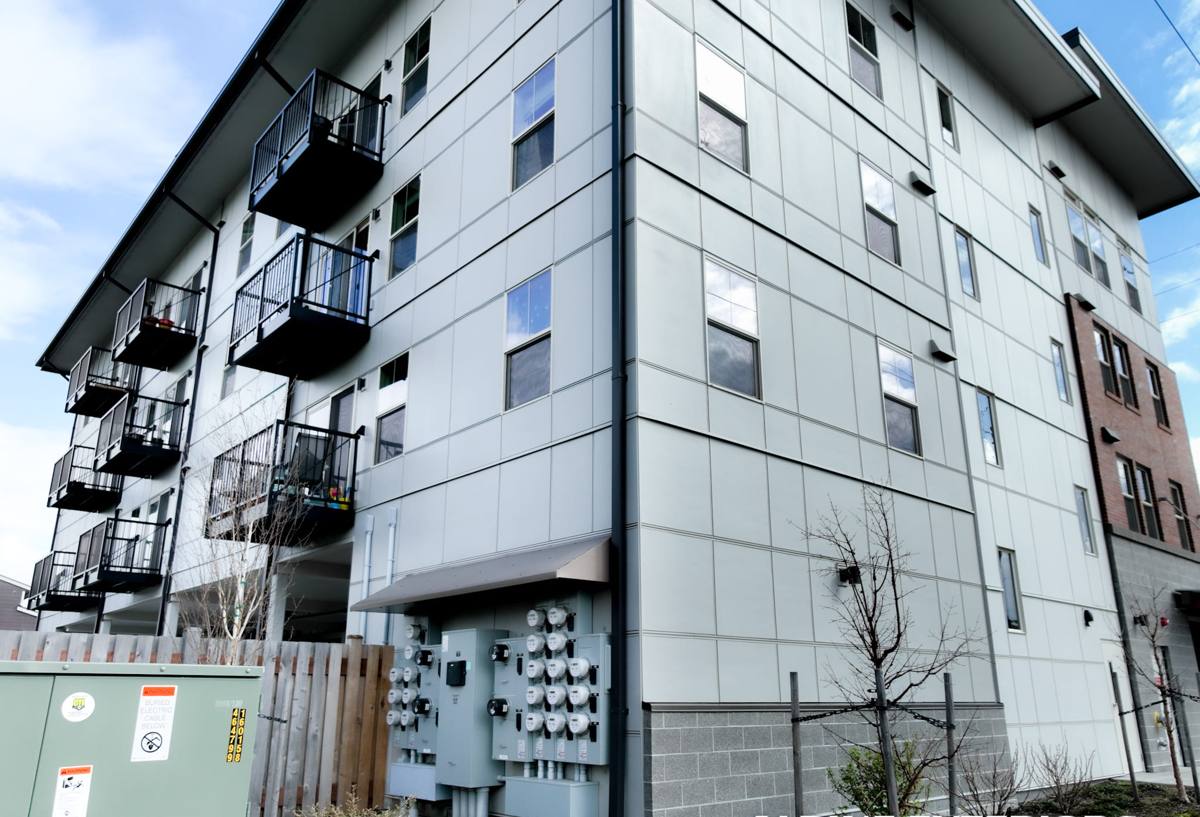
What Salt Air, Rain, and Moss Actually Do to Siding
Salt Air
Airborne salt is corrosive to exposed metal fasteners and trim, and it accelerates the breakdown of finishes that aren't rated for coastal exposure. Paint films chalk and fade faster, caulk joints dry out sooner, and any hardware that isn't corrosion-resistant starts showing rust streaks well before it would inland.
Driving Rain
Wind-driven rain doesn't just wet the siding surface — it pushes water sideways and upward into laps, seams, and penetrations that would stay dry in a calmer setting. That's why lap overlap, caulking at trim and penetrations, and the drainage plane behind the siding matter more here than they would on a sheltered inland wall.
Moss and Algae
Shaded, moisture-retaining surfaces near the water grow moss and algae readily, and Anacortes has a long stretch of the year with the damp, moderate conditions that keep it growing. Moss holds water against the siding surface and, on materials that absorb moisture, that constant dampness is what eventually causes swelling, delamination, or rot at the edges.
Why This Pushes Us Toward One Product, Not a Menu of Options
We get asked why we don't offer vinyl, LP SmartSide, primed spruce, cedar, or other fiber cement brands as options for a job like this. The honest answer is that we've seen how each of those performs under sustained marine exposure, and we don't think it's fair to install something on a Ship Harbor home that we know is more likely to need early attention because of where the house sits.
- Vinyl can warp or distort under sustained heat-and-cool cycling and doesn't hold up structurally in high-wind coastal exposure the way a fiber cement panel does; it also can't be painted a dark color without added distortion risk.
- Engineered wood products (like LP SmartSide) use wood strand cores that are more moisture-sensitive at cut edges and panel joints than fiber cement — a real liability in a moss-and-driving-rain environment where those joints stay damp longer.
- Primed spruce and cedar are wood. Wood siding requires the most disciplined maintenance schedule of any option, and that maintenance burden only grows in a salt-air, high-moisture setting where repainting and moisture checks need to happen more often, not less.
Every one of those products has legitimate uses somewhere. We simply don't think Ship Harbor's exposure is the place to install them, and we'd rather tell a homeowner that plainly than sell a product we don't think fits the site.
Why We Install James Hardie Fiber Cement
James Hardie fiber cement is a cement, sand, and cellulose fiber composite — it's non-combustible, doesn't support moss growth the way wood fiber can, and doesn't swell or rot from moisture the way engineered wood panels can. Hardie's HZ5 product line is engineered specifically for climates with freeze-thaw cycling and moisture exposure, which fits the marine, moderate-winter conditions along the Skagit County coastline. The factory-applied ColorPlus finish is baked on under controlled conditions rather than field-applied, which means better fade and chip resistance than a job-site paint job — a real advantage where salt air is already working against any painted surface. Hardie also backs the product with a transferable limited warranty, which matters to a future buyer if the home is ever sold.
This isn't a marketing preference on our part. It's the product we trust to be installed on a home exposed to Ship Harbor's specific combination of salt, wind-driven rain, and moss — and it's the only one we put our name behind.
What a Correct Installation Involves
Water Management Behind the Siding
The siding itself is the visible layer, but the weather-resistive barrier and flashing details behind it do most of the real work of keeping water out. Every penetration — vents, hose bibs, light fixtures, electrical — needs to be properly flashed and sealed before the siding ever goes on, and the drainage plane needs a clear path for any moisture that does get behind the cladding to escape.
Fastening and Clearances
Fiber cement needs corrosion-resistant fasteners (particularly important this close to salt air), correct nail placement per the manufacturer's instructions, and proper clearance from grade, roof lines, and decks so the bottom edge of the siding isn't sitting in standing water or constant splash-back.
Joints, Laps, and Caulking
Lap siding needs the correct overlap and gapping at butt joints, and every joint that isn't a shiplap or engineered rain-screen detail needs the right sealant, applied correctly, to keep driving rain from working its way in sideways.
Finish and Touch-Up
Cut edges exposed during installation need to be primed or sealed per manufacturer spec before they're closed up, since an unsealed cut edge is the one place on an otherwise factory-finished panel that's vulnerable to moisture intrusion.
Our Process for a Ship Harbor Siding Installation
- On-site assessment — we look at the home's specific exposure (which walls take the worst of the wind and rain, where moss is already established, condition of existing trim and flashing) before recommending a scope.
- Tear-off and inspection — removing the old siding lets us check the sheathing and framing underneath for hidden moisture damage before anything new goes on.
- Repair and weather barrier — any compromised sheathing gets replaced, and a new weather-resistive barrier and flashing package goes in at every penetration and transition.
- Hardie installation — panels or lap siding installed to manufacturer spec, with corrosion-resistant fasteners and correct clearances throughout.
- Trim, caulking, and finish details — joints sealed, cut edges treated, and trim finished to match the ColorPlus system.
- Final walkthrough — we go over the finished job with the homeowner before calling it complete.
Choosing the Right Hardie Product Line
Not every Hardie product is the right fit for every wall on a coastal home. Here's how the common options compare for a Ship Harbor installation:
| Product | Best Use | Notes for This Exposure |
|---|---|---|
| HardiePlank Lap Siding | Most wall areas, traditional look | Widely used locally; correct overlap and caulking are critical on wind-exposed walls |
| HardiePanel Vertical Siding | Accent walls, modern styling, gable ends | Fewer horizontal laps than plank siding, which can simplify water management on some elevations |
| HardieShingle | Accent areas, gables, dormers | More detail work at joints; best reserved for smaller accent areas rather than full wind-exposed walls |
| HardieTrim | Corners, window/door trim, fascia | Matched to the ColorPlus system for consistent long-term appearance |
What Drives Cost on a Job Like This
Every home is different, so we won't quote a number without seeing the site, but these are the main factors that move the price on a Ship Harbor siding installation:
| Factor | Why It Matters |
|---|---|
| Condition of existing sheathing | Hidden moisture damage found during tear-off adds repair scope before new siding can go on |
| Home size and wall complexity | More corners, dormers, and transitions mean more trim, flashing, and labor time |
| Product mix | Plank vs. panel vs. shingle accents, and trim profile choices, affect material cost |
| Access and site conditions | Waterfront lots with limited staging area or steep grades can affect equipment and labor time |
| Existing moss or moisture issues | Remediation of long-term moss growth or water intrusion adds scope beyond the new siding itself |
Why Local Experience in This Area Matters
A crew that already works Ship Harbor and the surrounding Anacortes waterfront knows which walls on a typical local home take the worst of the wind-driven rain, how aggressive the moss season here really is, and what level of flashing and fastener spec actually holds up rather than just meeting the minimum code requirement. That experience shows up in the details — where extra flashing gets added even though it's not strictly required, which corners get extra attention, and how the job is sequenced around Skagit County's weather windows. It's the difference between a siding job that looks right on installation day and one that's still performing correctly five and ten years in.
A Homeowner's Pre-Installation Checklist
- Walk the exterior and note any soft spots, visible moss buildup, or staining, especially on walls facing the water and prevailing wind
- Check for gaps or peeling at existing trim, window edges, and siding joints
- Ask your contractor what weather-resistive barrier and flashing details they use, not just what siding brand they install
- Confirm the fastener type being used and that it's rated for coastal, corrosion-prone exposure
- Ask how cut edges and field joints will be sealed before the job is called finished
- Get a clear, written scope so tear-off, repair, and installation are all spelled out before work starts
If your Ship Harbor home is due for new siding, or you're seeing early moss growth, staining, or soft spots on the exterior, we're happy to take a look and walk you through what we'd recommend. Reach out below for a free, no-pressure estimate.