 Anacortes Siding
 Siding Installation Built for Sedro-Woolley's Climate
Sedro-Woolley sits up the Skagit River valley, tucked between farmland and the foothills of the Cascades, and that location gives it a slightly different weather profile than the coastal parts of Skagit County. Homes here deal with less direct salt exposure than waterfront Anacortes properties, but they make up for it with heavier tree cover, more shaded lots, and the kind of persistent valley dampness that keeps siding wet longer after a storm passes. Add in the driving rain that rolls through the county most of the year and a moss season that can stretch from fall through spring, and you have a climate that is genuinely hard on the wrong siding material.
We install siding across Skagit County, and the jobs we do in Sedro-Woolley tend to have their own pattern of wear: north-facing walls and sections shaded by mature firs and cedars hold moisture and grow moss faster than open, sun-exposed elevations. That means the installation details that manage water and resist organic growth matter just as much here as they do closer to the water — they just show up in different places on the house.
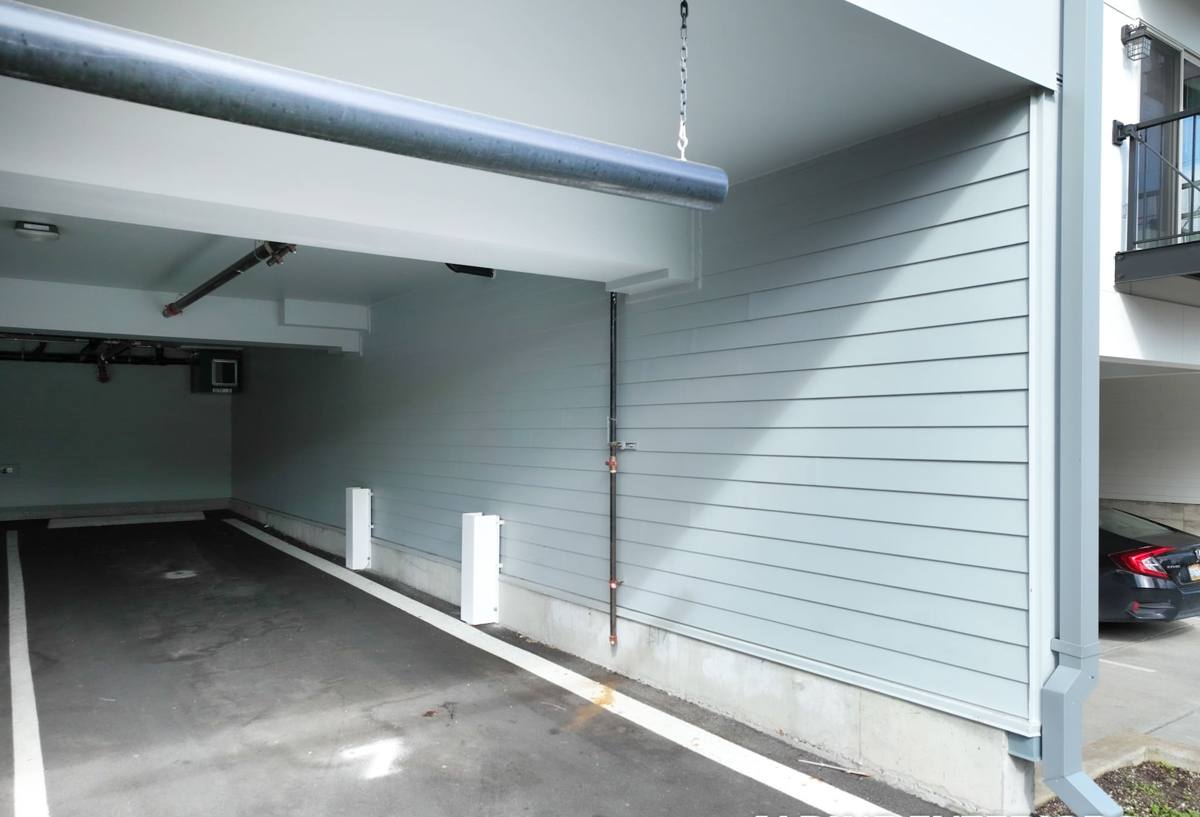
What Sedro-Woolley Homes Need From Their Siding
Whatever material ends up on the wall, it has to handle three things well in this part of Skagit County:
- Sustained moisture exposure. Shaded, tree-lined lots dry out slower than open ones, so siding and the water barrier behind it need to shed water reliably, not just resist it in a light rain.
- Moss and mildew growth. Damp, shaded siding is a moss magnet. A dense, factory-finished material resists staining and biological growth far better than a porous or absorbent one.
- Temperature swings and freeze-thaw cycles. Valley locations can run a few degrees colder overnight than the immediate coastline, and materials that swell and contract with moisture take a beating over repeated freeze-thaw seasons.
A siding system that ignores any one of these ends up costing the homeowner in repainting, caulking, panel replacement, or moss treatment within a handful of years — none of which should be a recurring line item on a home that was sided correctly the first time.
What Correct Siding Installation Actually Involves
Tear-Off and Substrate Check
Every proper job starts with removing the old siding down to the sheathing and actually looking at what's underneath. In a moisture-heavy area like this, it's common to find soft sheathing, rot around old flashing, or water staining behind siding that looked fine from the street. Skipping this step and re-siding over a compromised wall just hides a problem that keeps getting worse.
Water Management Details
This is where most siding failures actually start, and it's also where most corner-cutting happens. Correct installation means a continuous weather-resistive barrier, properly lapped and taped seams, correctly flashed windows, doors, and any wall penetrations, and drainage planes that let incidental moisture escape instead of getting trapped behind the cladding. On shaded, damp Sedro-Woolley lots, a wall that can't dry out is a wall that will eventually rot, no matter how good the siding on the surface looks.
Fastening and Finish
Manufacturer fastening schedules exist for a reason — proper nail placement, spacing, and depth keep panels secured through wind and seasonal movement without splitting the material or voiding the warranty. Butt joints, corners, and trim need to be sealed and finished in a way that keeps water from wicking into cut edges, which is one of the most common failure points on poorly installed siding.
Why We Only Install James Hardie Fiber Cement
We made a decision a long time ago to install one siding system and install it correctly, rather than offer every product on the market and let quality vary by which one a homeowner picked. James Hardie fiber cement is what goes on every house we side, including in Sedro-Woolley, for a few specific reasons:
- Non-combustible material. Fiber cement doesn't feed a fire the way wood-based products can, which matters in a county with dry summer stretches and wildland-adjacent properties.
- Factory-applied ColorPlus finish. The color is baked on at the factory under controlled conditions, not brushed on at the jobsite, which gives it far better resistance to fading, chipping, and moisture damage than field-applied paint.
- Climate-engineered HZ product line. Hardie's HZ5 formulation is engineered for the moisture and freeze-thaw conditions of the Pacific Northwest, not a generic national spec.
- Dense, moisture-resistant composition. Fiber cement doesn't absorb water and swell the way wood or wood-composite products can, which directly addresses the moss and mildew problem shaded lots create.
- A strong, transferable warranty backed by the manufacturer, not just the installer.
We don't install vinyl, LP SmartSide, primed spruce, cedar, or other fiber cement brands like Cemplank or Allura. That's not a knock on every homeowner who has one of those on their house — it's that we've chosen to stand behind one system we can install to spec every time, rather than stretch our crews thin across materials with very different installation requirements and very different long-term track records in this climate.
Comparing Siding Options for a Skagit Valley Climate
| Material | Moisture & Moss Resistance | Maintenance | Fire Rating | Typical Lifespan |
|---|---|---|---|---|
| James Hardie Fiber Cement | Dense, doesn't absorb water; resists moss staining well | Occasional wash; factory finish resists fading | Non-combustible | 30+ years when installed to spec |
| Vinyl | Doesn't rot, but seams and gaps can trap moisture behind panels | Low, but can crack, warp, or fade over time | Combustible, can deform in heat | 20-30 years, fades and becomes brittle |
| Wood / Primed Spruce / Cedar | Absorbs moisture readily; prone to moss and rot in shade | High — regular painting, caulking, and moss treatment | Combustible | Varies widely; often 10-20 years before major repainting or repair |
The numbers in that table are general industry ranges, not guarantees — actual performance always comes down to installation quality as much as the material itself. But the pattern holds: in a shaded, damp valley climate, a dense, factory-finished, non-absorbent material has a real structural advantage over materials that depend on ongoing maintenance to keep moisture out.
Signs a Sedro-Woolley Home Needs New Siding
Because of the tree cover common on Sedro-Woolley lots, siding problems here often show up as much on damp, shaded elevations as they do from storm-facing walls. Watch for:
- Persistent moss or algae streaking on north-facing or heavily shaded walls
- Soft spots, bubbling, or visible warping in wood-based or composite siding
- Paint that keeps failing in the same spots no matter how often it's touched up
- Gaps opening up at seams, corners, or trim boards
- Musty smells or visible staining on interior walls near exterior corners — a sign moisture has already gotten behind the siding
Any one of these is worth a look. Several of them together usually mean the water management behind the siding has already been compromised, not just the surface material.
Our Process, Start to Finish
We keep the process straightforward and communicate at each stage:
- On-site evaluation. We walk the exterior, check shaded and damp-prone areas closely, and look at trim, flashing, and any existing moisture damage.
- Written estimate. A clear scope of work and price, including tear-off, any sheathing repair allowance, and the specific Hardie products recommended for the home.
- Tear-off and substrate repair. Old siding comes off, the crew checks the sheathing, and any soft or damaged material is addressed before anything new goes up.
- Weather barrier and flashing installation. The water management layer goes in first and gets the most attention — this is what determines how the wall performs for the next 30 years.
- Hardie siding installation to manufacturer fastening and clearance specifications.
- Final walkthrough so the homeowner can see the finished work and ask questions before we consider the job done.
Before You Hire: What a Local Estimate Should Cover
- A physical inspection of the home, not just a phone quote
- Specific product line and profile being installed, not a vague "siding replacement"
- Whether tear-off and disposal of old siding is included
- How sheathing repair, if needed, is priced and handled
- Confirmation of manufacturer-certified installation practices
- A written warranty that names both the manufacturer and the installer
Why Local Experience in This Area Matters
Skagit County's building climate isn't uniform — a crew that only knows how to install siding on open, sun-exposed coastal homes can miss the details that matter on a shaded, tree-lined Sedro-Woolley lot, and vice versa. We work throughout the county, which means we're used to adjusting fastening schedules, flashing details, and even scheduling around the wetter stretches of the valley's weather. That local familiarity is part of what keeps a siding job from turning into a callback a few years later.
If you're weighing a siding replacement on a Sedro-Woolley home, we're happy to take a look and walk you through what we'd recommend and why. The estimate is free, there's no pressure to sign anything on the spot, and you'll get a straight answer about what your home actually needs.