 Anacortes Siding
 Old Town Anacortes Has a Different Relationship With Its Siding
Old Town Anacortes is one of the city's older residential pockets — a mix of early-era homes and later infill sitting close to the water and the downtown core. That proximity to Fidalgo Bay and Rosario Strait is exactly what makes siding here behave differently than it does ten miles inland. Salt-laden air, wind-driven rain off the water, and a moss season that can run most of the year all load stress onto exterior walls in ways that generic siding advice doesn't account for.
When we replace siding in this neighborhood, we're not just swapping old boards for new ones. We're solving for a specific combination of exposure, moisture, and age of housing stock that shows up here more than almost anywhere else in Skagit County.
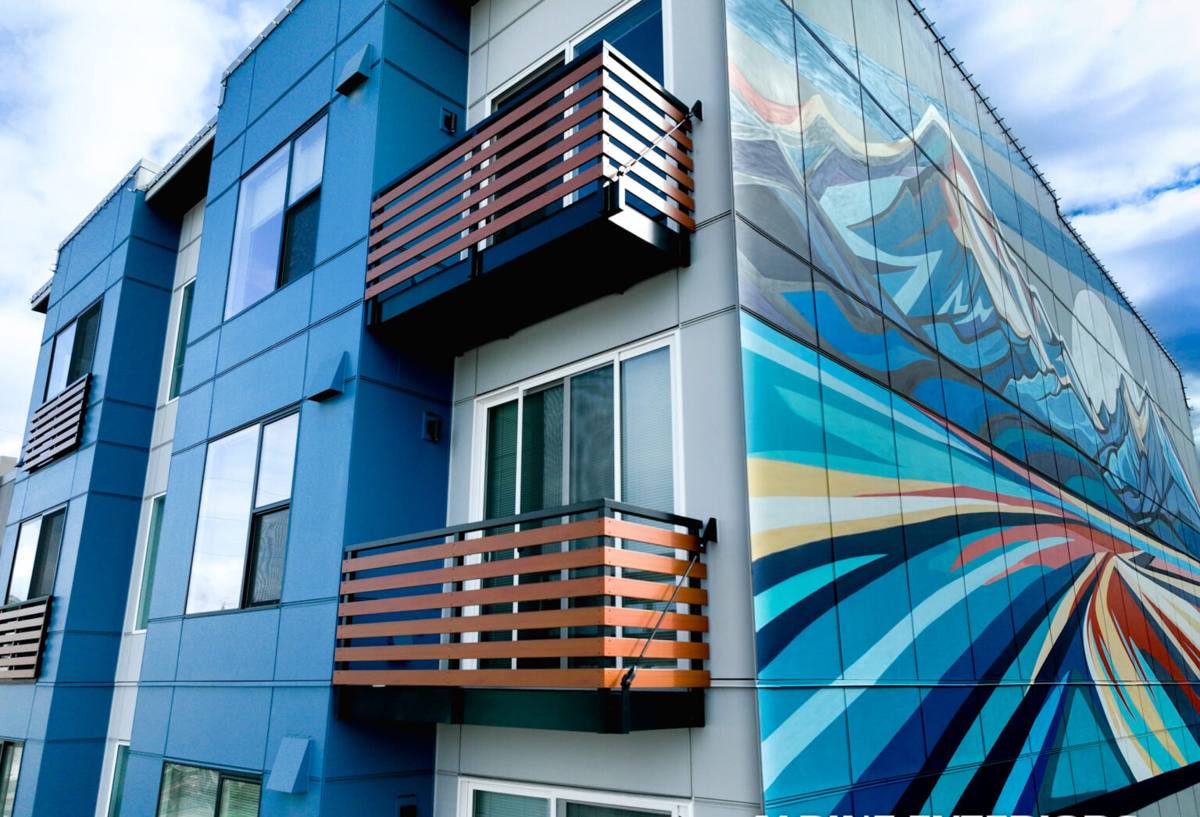
What Salt Air, Driving Rain, and Moss Actually Do to Siding
Salt air
Airborne salt doesn't just sit on the surface — it works its way into seams, fastener heads, and any spot where paint or factory finish has thinned. Over years, that accelerates corrosion on fasteners and metal trim, and it breaks down lesser paint systems faster than manufacturers' warranties assume. Homes closer to the water take this harder than homes a mile or two inland, which is part of why a one-size-fits-all siding recommendation doesn't hold up in Old Town.
Driving rain
Storms coming off the Strait don't fall straight down — they come in sideways, which means siding here has to shed water at laps, corners, and penetrations, not just on flat wall sections. Any gap in flashing or caulking becomes a direct path for wind-driven water to get behind the cladding, where it can sit against sheathing for weeks before anyone notices.
Moss and prolonged dampness
Anacortes doesn't get a real dry season the way parts of the state do. Shaded walls, especially on north- and east-facing exposures near mature trees, stay damp long enough for moss and algae to establish and hold moisture against the siding surface. On absorbent or poorly sealed materials, that constant dampness is what drives rot, delamination, and paint failure — often well before the siding is visually "old."
How to Tell Replacement Is the Right Call, Not Just Repair
Not every problem on an Old Town home means a full tear-off. But there are signs that point toward replacement rather than patch work:
- Soft, spongy, or crumbling spots when you press on the siding, especially near the bottom courses or under windows
- Paint that keeps failing in the same spots within a year or two of repainting
- Persistent moss or dark staining that comes right back after cleaning
- Visible gaps, warping, or cupping in boards, particularly on the weather side of the house
- Interior signs — soft drywall, musty smell, or staining near exterior walls — that suggest moisture has already gotten behind the cladding
If more than one of these shows up in the same area, the siding is usually telling you the assembly behind it needs attention too, not just the surface.
What a Correct Siding Replacement Involves
A siding job done right in this climate is really three jobs layered together: removal, envelope repair, and installation. Skipping any one of them is how homes end up with the same problem again in five years instead of thirty.
Tear-off and inspection
Old siding comes off in sections so the sheathing underneath can actually be inspected — not guessed at. This is where we find soft sheathing, rotted framing, or old flashing that was never installed correctly the first time. On homes near the water, this step matters more, since hidden moisture damage tends to be further along than it looks from the outside.
Water-resistive barrier and flashing
A weather-resistive barrier goes over the sheathing, and every penetration — windows, doors, vents, hose bibs — gets flashed so water is directed out and down, never behind the barrier. In a driving-rain climate, this layer does more long-term work than the siding itself.
Fastening and finishing
Fastener type, spacing, and depth all follow the manufacturer's published specifications, not a general contractor's habit from a different climate. Overdriven or wrong-length fasteners are one of the most common causes of early siding failure we see, and they're invisible once the job looks "finished."
Why We Install James Hardie Fiber Cement — and Nothing Else
We made a deliberate decision to install only James Hardie fiber cement siding. We don't install vinyl, LP SmartSide, Cemplank, Allura, primed spruce, or cedar. That's not a marketing position — it's a standard we hold ourselves to because of what we've seen these materials do, and not do, in exactly this kind of coastal-Pacific-Northwest exposure.
Fiber cement is dimensionally stable in wet-dry cycling, doesn't feed mold or moss the way wood-based products can, and is non-combustible. James Hardie backs its ColorPlus factory finish with a substantial, transferable warranty, and its HZ5 product line is engineered specifically for climates with high moisture exposure — which describes Anacortes and the rest of Skagit County well. When a homeowner in Old Town asks why we don't offer a cheaper vinyl option or a traditional cedar look, this is the honest answer: we'd rather turn down the job than install something we don't believe will hold up here.
How the Common Alternatives Compare in This Climate
| Material | Moisture / Moss Behavior | Salt Air Durability | Maintenance Burden | Fire Rating |
|---|---|---|---|---|
| James Hardie fiber cement (HZ5) | Dimensionally stable, resists moss growth on the surface | Factory finish holds up well; engineered for coastal climates | Low — periodic cleaning, no repainting for years | Non-combustible |
| Vinyl | Doesn't rot, but can warp, fade, and trap moisture behind panels if installed loose | Can become brittle and discolor faster near salt air and UV exposure | Low upfront, but panels can't be spot-repaired cleanly | Combustible, can deform under heat |
| Cedar | Absorbs moisture, prone to moss, cupping, and checking in damp shade | Salt air accelerates weathering of the wood surface | High — regular sealing/staining and moss treatment | Combustible |
| LP SmartSide (engineered wood) | Better than raw wood, but still wood-based and moisture-sensitive at cut edges and seams | Edge sealing becomes critical near salt air; failure often starts at unsealed cuts | Moderate — edge maintenance is ongoing | Combustible |
This table isn't about declaring any of these products worthless — vinyl, cedar, and engineered wood all have legitimate uses. It's about why, specifically in a salt-air, high-rain, moss-heavy environment like Old Town Anacortes, we've standardized on the one material that best matches the conditions.
Our Process for an Old Town Anacortes Job
- On-site assessment: We walk the exterior, check the shaded and water-facing sides specifically, and look for early signs of moisture intrusion around windows, trim, and the foundation line.
- Scope and estimate: You get a clear picture of what's replacement-only versus what needs sheathing or flashing repair first, with pricing broken out so there are no surprises mid-job.
- Tear-off and protection: Landscaping, walkways, and neighboring surfaces get protected before removal starts, and old material is hauled and disposed of properly.
- Envelope repair: Any soft sheathing or failed flashing found during tear-off gets addressed before a single new board goes up.
- Hardie installation: Installed to manufacturer fastening and clearance specifications, including proper gaps at grade and around penetrations.
- Final walkthrough: We go over the finished job with you before calling it done.
What Old Town Homeowners Should Do After Replacement
New siding still needs a little seasonal attention, especially in a climate that stays damp for months at a time. This isn't heavy maintenance — it's the kind of thing that takes an hour a couple times a year and protects the investment.
- Rinse down shaded, moss-prone sides of the house once or twice a year, especially going into fall
- Keep gutters clear so overflow doesn't run down the siding face repeatedly
- Trim back shrubs and tree limbs that keep a wall shaded and damp longer than the rest of the house
- Check caulking at trim and penetrations annually — small gaps are easy to catch early and cheap to fix
- Watch for any soft spots or staining near the bottom courses, which is usually the first place moisture shows up
Why It Matters That the Crew Already Works This Neighborhood
Old Town Anacortes has enough variation in home age, orientation to the water, and prior renovation history that a crew unfamiliar with the area tends to treat every house the same way. A crew that already works here knows to check certain exposures more carefully, knows what kind of hidden damage tends to show up in older homes near the water, and isn't guessing at how the local weather pattern actually behaves over a full year rather than a single site visit.
That local familiarity, combined with sticking to a single, climate-appropriate product line, is what keeps a siding replacement from becoming a job that has to be partially redone a few years later.
If you're seeing early signs of siding trouble on an Old Town Anacortes home, or you just want an honest read on whether repair or replacement makes more sense, we're happy to take a look. Use the form below for a free, no-pressure estimate.