 Anacortes Siding
 Roofing in Similk Beach Isn't the Same as Roofing Inland
Similk Beach sits close enough to the water that homes here take on a different kind of weather than a roof ten miles inland. The salt air off the bay works on exposed metal and fasteners year-round. Driving rain off the water finds every weak seam and gap in flashing. And the shaded, moisture-heavy microclimate common along this stretch of Skagit County keeps roofs damp long after a storm has passed, which is exactly what moss and moisture-loving growth need to take hold. A roof built for a dry inland subdivision often isn't built for this.
New roof installation in this neighborhood has to account for all three of those pressures at once — not as an afterthought, but as part of how the roof is designed from the decking up. That's the difference between a roof that looks fine at year three and one that's still performing at year twenty.
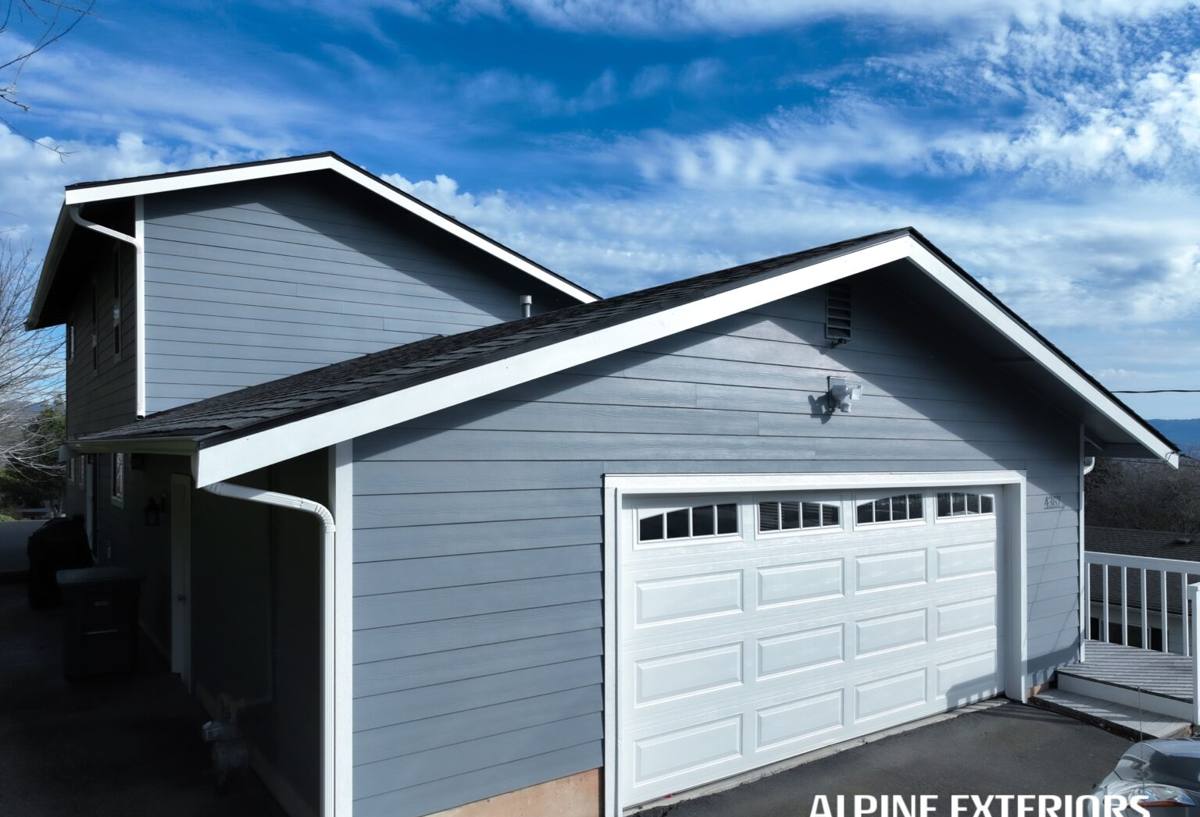
What Similk Beach's Climate Actually Does to a Roof
Salt Air and Corrosion
Homes near Similk Bay and the surrounding shoreline are exposed to airborne salt that settles on roofing materials and fasteners. Over time, salt exposure accelerates corrosion on unprotected metal — flashing, nails, vent stacks, and gutter hardware are all vulnerable if the wrong grade of material is used. This isn't a reason to avoid metal roofing or metal flashing altogether; it's a reason to spec the right alloys and coatings for a coastal-adjacent property.
Driving Rain
Wind-driven rain off the water doesn't fall straight down — it pushes sideways under shingle tabs, around vent penetrations, and into any flashing detail that was installed to "pass inspection" rather than to actually shed water in a sideways storm. Underlayment choice and flashing technique matter more here than they would on a calmer, more sheltered lot.
Moss and Prolonged Moisture
Similk Beach's tree cover and proximity to water mean roofs stay damp longer after rain than they would in a more open, sun-exposed location. That extended dampness is what lets moss and algae establish themselves on north-facing slopes and shaded valleys. Left unaddressed, moss holds moisture against the roofing material, lifts shingle edges, and shortens the life of the roof underneath it.
Signs a Similk Beach Home Needs a New Roof, Not Another Patch
- Granule loss showing up in gutters or at downspouts, especially after windy or wet weeks
- Moss established in patches rather than a light surface film — a sign it's been growing for more than one season
- Curling, cupping, or cracked shingles, particularly on slopes that get less direct sun
- Rust staining or visible corrosion around flashing, vent boots, or metal valleys
- Soft spots in the decking, or daylight visible through the attic at roof boards or ridge lines
- Repeated leaks in the same area even after prior patch repairs
- A roof approaching or past the manufacturer's expected service life for its material and local exposure
Any one of these can sometimes be handled with a repair. Several at once, or a roof that's simply reached the end of its practical life, is usually a sign that continued patching is just deferring a cost that's going to come due anyway — often at a worse moment, like mid-storm.
Choosing a Roofing System Suited to This Location
There's no single "best" roofing material for every home — the right choice depends on the home's exposure, roof pitch, budget, and how much upkeep the owner wants to take on. For a Similk Beach property, we weigh material options specifically against salt exposure, wind-driven rain, and moss pressure.
| Material | How It Handles This Climate | Maintenance Trade-off |
|---|---|---|
| Architectural asphalt shingle | Good performance with proper underlayment and flashing; moss-resistant algae-shield options help in shaded areas | Needs periodic moss and debris removal, especially on shaded slopes |
| Standing seam metal | Excellent water-shedding in driving rain; long service life when specified in a coastal-appropriate finish | Higher upfront cost; fastener and flashing details must be done correctly to manage expansion and avoid corrosion points |
| Synthetic/composite shingle | Resists moisture absorption and won't rust; holds up well in damp, shaded conditions | Product and installer quality vary more than with established asphalt or metal lines |
| Cedar shake | Traditional look, but sustained dampness and shade in this area shorten its practical life without diligent upkeep | Highest ongoing maintenance burden of the common options here; not our default recommendation for shaded, damp lots |
We'll walk through these trade-offs against your specific roof — its slope, sun exposure, and how close it sits to the water — rather than defaulting to one product for every job.
What a Correct New Roof Installation Involves
A new roof is only as good as what's underneath the visible surface. On a full replacement, that means:
- Complete tear-off of the old roofing down to the deck, rather than layering over existing material, so we can actually see the condition of what's beneath
- Deck inspection and repair — replacing any soft, rotted, or delaminated sheathing before new material goes down
- Ice-and-water shield at eaves, valleys, and penetrations, which matters more here given how often wind-driven rain gets pushed into those transition points
- Synthetic or felt underlayment across the full deck as a secondary moisture barrier
- Corrosion-appropriate metal flashing at all valleys, walls, chimneys, and vent penetrations — specified for the salt exposure this location sees
- Balanced attic ventilation — intake at the eaves, exhaust at the ridge — sized correctly for the attic volume, which helps control the moisture buildup that feeds moss growth
- Correct fastening pattern for the manufacturer's wind rating, matched to local exposure rather than the bare code minimum
Skipping any of these to save a day of labor is how a roof ends up needing repairs again in year five instead of year twenty.
How We Handle a Similk Beach Roof Replacement
1. On-Site Assessment
We inspect the existing roof, deck, ventilation, and flashing details in person, and look at the home's specific sun exposure, tree cover, and proximity to the water before recommending a material or system.
2. Written Scope and Estimate
You get a clear, itemized plan — material, underlayment, flashing, ventilation work, and timeline — before anything is signed. No surprise add-ons discovered halfway through.
3. Tear-Off and Deck Repair
Old roofing comes off completely. Any compromised decking is replaced, not covered over.
4. Underlayment, Flashing, and Ventilation
This is where a roof earns its long-term performance in a place like Similk Beach — proper barrier layers, corrosion-appropriate metal, and balanced airflow through the attic.
5. Roofing Material Installation
Installed to manufacturer spec and fastening requirements appropriate to local wind and rain exposure.
6. Final Walkthrough
We review the completed roof with you, cover care and maintenance specific to your material choice, and make sure everything matches what was scoped at the start.
Cost Factors for a Similk Beach New Roof
| Factor | Why It Matters Here |
|---|---|
| Roof size and pitch | Steeper or more complex rooflines take more labor and material to flash correctly against driving rain |
| Material selection | Asphalt, metal, and composite options span a wide cost range and hold up differently under salt exposure and moisture |
| Deck condition | Rot or soft sheathing discovered during tear-off adds repair cost but shouldn't be skipped |
| Ventilation upgrades | Older homes often need added intake or exhaust ventilation to manage moisture and reduce moss recurrence |
| Access and site conditions | Tree cover, tight lot access, or roof height near the water can affect labor and staging |
We give honest, itemized numbers after seeing the actual roof — broad online estimates don't account for what your specific home needs.
Why It Matters That We Already Work This Area
A crew that installs roofs across Skagit County generally, without regularly working the Similk Beach and Anacortes shoreline specifically, can still do competent work — but they're often making material and flashing decisions from a generic playbook rather than from experience with what actually fails on homes exposed to this particular combination of salt air, wind-driven rain, and shaded dampness. We've seen how roofs perform in this specific stretch of Skagit County over time, which shapes what we recommend and how we detail the work that doesn't show once the roof is finished — the flashing, the fastener grade, the ventilation balance.
Protecting Your New Roof After Installation
A correctly installed roof still benefits from basic upkeep, especially in a moss-prone, salt-air environment:
- Clear gutters and downspouts at least twice a year so water isn't backing up under the roof edge
- Have moss and debris removed from shaded slopes before it establishes into thick growth
- Trim back overhanging branches that keep sections of the roof shaded and damp
- Schedule a quick visual inspection after major windstorms to catch lifted flashing or displaced material early
- Keep an eye on attic ventilation — blocked vents undo a lot of the moisture protection built into the install
None of this is complicated, but it's the difference between a roof that reaches its full expected life and one that starts having problems well before it should.
If your Similk Beach roof is showing its age, or you just want an honest read on whether repair or replacement makes more sense for your home, we're happy to come take a look. Use the form below to request a free, no-pressure estimate.