 Anacortes Siding
 Why Skyline Roofs Age Differently Than Roofs Inland
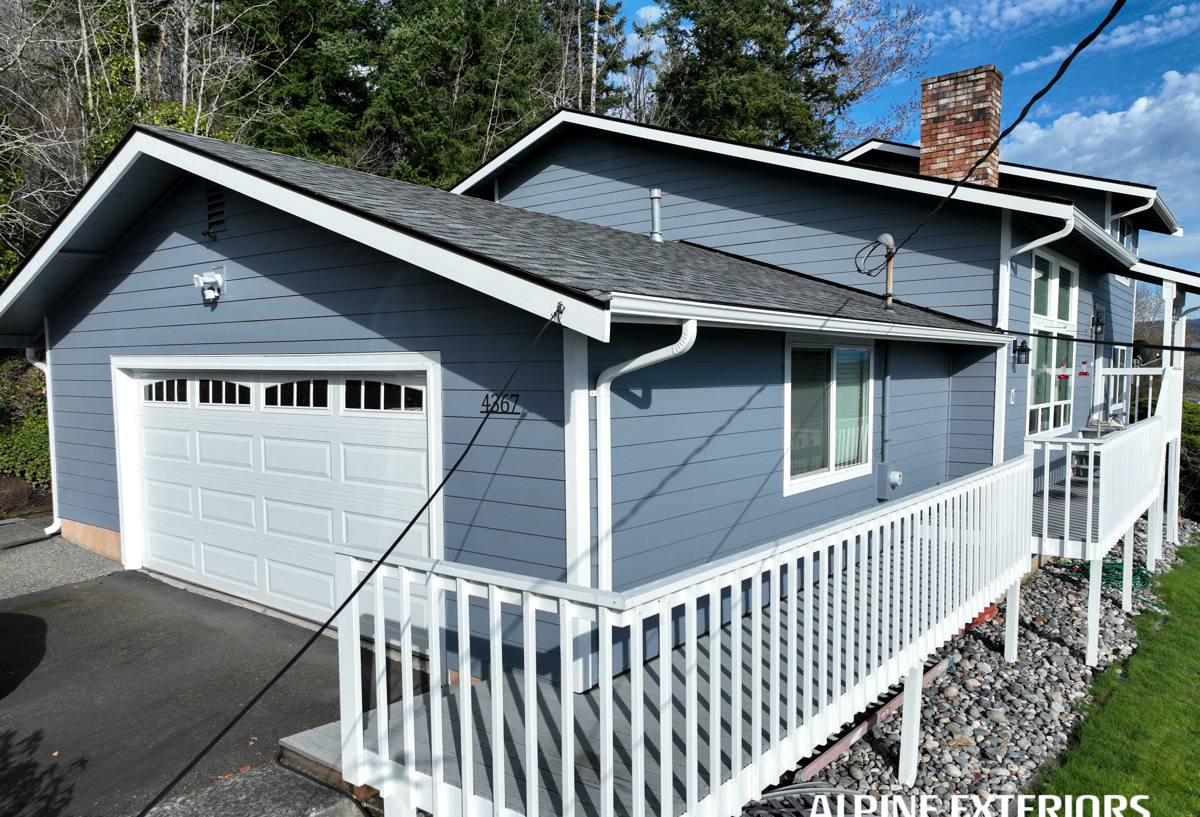
Skyline sits up on elevated, view-oriented ground on the west side of Fidalgo Island, which means roofs here take a different kind of beating than homes tucked into town or further inland in Skagit County. The elevation and open exposure that make the views worth having also mean more direct wind, more wind-driven rain, and more salt-laden air coming off the water. Add in the shade from mature Douglas fir and cedar that many Skyline lots were built around, and you get the third factor: a long moss and moisture season that can run nine months out of the year in a wet cycle.
None of that means a roof up here is doomed to fail early. It means the roof has to be built and maintained with those specific stresses in mind. A roofing system that works fine in a dry inland climate can underperform on a windy, salt-exposed, shaded lot in Skyline — not because the shingles are bad, but because the details underneath them weren't matched to the site.
How Salt Air, Rain, and Moss Actually Damage a Roof
Salt Air
Airborne salt from Rosario Strait and the surrounding waterways settles on roofing surfaces and accelerates corrosion on any exposed metal — flashing, nail heads, vent caps, and gutter hardware. Over years, this shows up as rust streaking, pitted metal, and fasteners that back out or fail well before the shingles themselves are worn out.
Driving Rain
Wind-driven rain doesn't just fall straight down — it gets pushed sideways and even slightly upward under eaves, ridge caps, and shingle tabs. A roof built for calmer conditions often relies on gravity alone to shed water. In a driving-rain environment, water can find its way under improperly sealed laps, around poorly flashed penetrations, and into valleys that weren't given enough width or underlayment protection.
Moss
Moss thrives wherever shade and moisture overlap, and it does more than look bad. Its root structure lifts shingle edges as it grows, holding moisture against the roofing material long after the rest of the roof has dried out. That trapped moisture is what leads to premature granule loss, rot in the decking below, and eventually leaks — usually starting at north-facing slopes and anywhere tree cover blocks the sun.
Signs a Skyline Roof Needs Replacement, Not Another Repair
Repairs make sense for isolated problems — a cracked pipe boot, a section of storm-damaged shingles, a flashing leak caught early. Replacement becomes the honest recommendation when the damage is spread across the roof or the underlying materials are compromised. Common signs we look for on Skyline homes include:
- Granules collecting heavily in gutters and downspouts, indicating shingles are past their protective life
- Moss or lichen established across multiple slopes rather than a single shaded patch
- Soft or spongy decking felt underfoot during inspection, a sign moisture has reached the plywood or sheathing
- Rusted, pitted, or failing metal flashing around chimneys, skylights, and valleys
- Daylight visible through the attic roof deck, or water staining on attic framing
- Shingles that are curling, cupping, or losing their seal in multiple areas, not just one storm-damaged section
- A roof approaching or past the manufacturer's expected service life, especially one that's had heavy tree cover for most of its life
What a Correct Roof Replacement Actually Involves
A roof replacement is not just swapping old shingles for new ones. On a site like Skyline, where the roof is fighting salt air, rain, and shade all at once, the parts homeowners never see matter as much as the finished surface.
Tear-Off and Deck Inspection
We remove the existing roofing down to the deck so we can actually see what's underneath — soft spots, old water staining, and any rot that's been hiding under intact-looking shingles. Any damaged sheathing gets replaced before anything new goes down; installing new roofing over a compromised deck just hides the problem for a few more years.
Underlayment
In a driving-rain, high-moss environment, underlayment is doing more work than in a typical dry-climate install. We use ice-and-water shield in vulnerable areas — valleys, eaves, around penetrations — and a quality synthetic underlayment across the rest of the deck as a second line of defense if wind ever drives water past the shingle layer.
Flashing
Flashing is where most roof leaks actually start, not in the open field of shingles. Chimneys, skylights, sidewalls, and valleys all get new metal flashing sized and formed for the site, not just re-used or caulked over old flashing. Given the salt exposure here, we pay particular attention to flashing material choice and fastener quality so it isn't the first thing to corrode.
Ventilation
A roof needs balanced intake and exhaust airflow to keep the attic dry and the shingles at a stable temperature. Poor ventilation traps moisture, which speeds up rot from the inside and shortens shingle life from the outside — a compounding problem in a climate that's already damp much of the year.
Shingle or Material Installation
Proper nailing pattern, exposure, and sealant strip activation matter more in high-wind conditions than most homeowners realize. A shingle installed a half-inch out of spec or under-nailed is the one that lifts in the next windstorm.
Choosing the Right Roofing Material for a Skyline Site
There's no single "best" roofing material for every home — the right choice depends on tree cover, sun exposure, budget, and how much long-term maintenance a homeowner wants to take on. Here's how the common options stack up against Skyline's specific conditions:
| Material | Salt Air Resistance | Wind-Driven Rain Performance | Moss Resistance | Typical Maintenance |
|---|---|---|---|---|
| Architectural asphalt shingle | Good with corrosion-resistant flashing/fasteners | Very good when properly sealed and nailed | Moderate — benefits from zinc/copper strips on shaded slopes | Periodic moss treatment on shaded areas |
| Standing seam metal | Depends heavily on coating quality and fastener spec | Excellent — few seams for water to find | Good — smooth surface sheds moss more easily | Low, but coating and fasteners should be checked periodically |
| 3-tab asphalt shingle | Fair — thinner profile, shorter service life overall | Fair — more prone to lifting in sustained wind | Moderate, same as architectural but shorter lifespan overall | Similar to architectural, but replacement comes sooner |
| Cedar shake | Requires ongoing treatment near salt air | Good when installed with proper spacing and underlayment | Higher risk without regular cleaning and treatment | Highest — regular treatment and moss removal needed |
We'll walk through these trade-offs honestly during your estimate rather than pushing whatever happens to be easiest to install. For most Skyline homes with tree cover, an architectural shingle with proper flashing and ventilation, or a well-specified metal roof for homes wanting lower long-term maintenance, tends to be the most practical fit.
Ventilation and Moisture: The Part That Determines How Long the Roof Lasts
A roof replacement that skips ventilation upgrades is leaving money on the table. If your attic doesn't have balanced soffit intake and ridge or high-point exhaust, warm moist air from inside the home gets trapped against the underside of the roof deck. Combined with the region's naturally damp air, that trapped moisture is one of the leading causes of premature deck rot and shortened shingle life — even on a roof that was installed correctly on the surface. When we replace a roof, we evaluate existing ventilation and recommend corrections as part of the job, not as a costly surprise later.
Our Roof Replacement Process
Homeowners in Skyline generally want two things from a roofing project: a roof that will actually hold up to the conditions here, and a process that doesn't drag on or leave surprises. Our process is built around both.
- On-site inspection and estimate. We look at the current roof, attic ventilation, and any problem areas, and give you a written estimate with material options explained in plain terms.
- Material selection. We help you weigh cost, appearance, and how much long-term maintenance you want, based on your home's actual sun and tree exposure.
- Scheduling around weather. We plan installation windows with Skagit County's rain patterns in mind, so the deck isn't left exposed longer than necessary.
- Tear-off and deck repair. Full removal of old roofing, deck inspection, and replacement of any compromised sheathing.
- Underlayment, flashing, and ventilation work. The protective layers that determine how the roof performs in wind and rain.
- Installation. Careful, spec-correct installation of the chosen roofing material.
- Cleanup and final walkthrough. Full site cleanup, including magnetic sweep for nails, and a walkthrough so you know exactly what was done.
Timing the Job Around Local Weather
Skagit County's wet season and Skyline's exposed, elevated position mean timing matters more here than in a sheltered inland location. We aim to schedule tear-offs during stable weather windows and work efficiently to minimize the time your deck is exposed. That said, roof failures don't wait for good weather — if you're dealing with active leaks, we'll prioritize getting a temporary protective measure in place while we plan the full replacement properly rather than rushing a permanent installation in bad conditions.
Why a Crew That Already Works Skyline Matters
Roofing a home in Skyline isn't the same job as roofing a home in a sheltered part of town. A crew that regularly works this area already knows which flashing details hold up to the salt air, how much underlayment protection wind-driven rain actually demands, and which slopes on a shaded lot need extra attention to moss and moisture. That familiarity shows up in fewer callbacks and a roof that performs the way it's supposed to for its full expected life, not just the first dry season.
After Installation: Keeping a Skyline Roof Performing
A new roof still needs some basic attention in this climate to reach its full lifespan:
- Clear debris and needles from valleys and gutters at least twice a year, more often under heavy tree cover
- Watch shaded, north-facing slopes for early moss growth and address it before it spreads
- Keep gutters and downspouts flowing freely so water isn't backing up under the roof edge
- Have flashing and fasteners checked periodically, since salt air corrosion is gradual but steady
- Trim back overhanging branches where practical to reduce shade, debris, and moss pressure
If you're weighing repair versus replacement, or just want an honest read on where your roof stands, we're happy to take a look. Reach out for a free, no-pressure estimate using the form below.