 Anacortes Siding
 Windows on March Point Take a Different Kind of Beating
March Point sits out on the water, surrounded by Fidalgo Bay and Padilla Bay, which means homes here get more direct exposure to salt-laden air and wind-driven rain than houses a few miles inland in Anacortes proper. That combination is hard on windows in ways that aren't always obvious from the street. Salt air accelerates corrosion on metal hardware, fasteners, and older aluminum frames. Wind-driven rain finds its way into gaps and seams that would stay dry in a more sheltered location. And the long, damp Skagit County shoulder seasons keep wood trim and sills wet for weeks at a time, which is exactly the environment moss and mildew need to take hold.
None of this means March Point homes need exotic solutions. It means the basics — flashing, drainage, sealant choice, frame material — have to be done right, every time, because there's less margin for error than in a typical inland install.
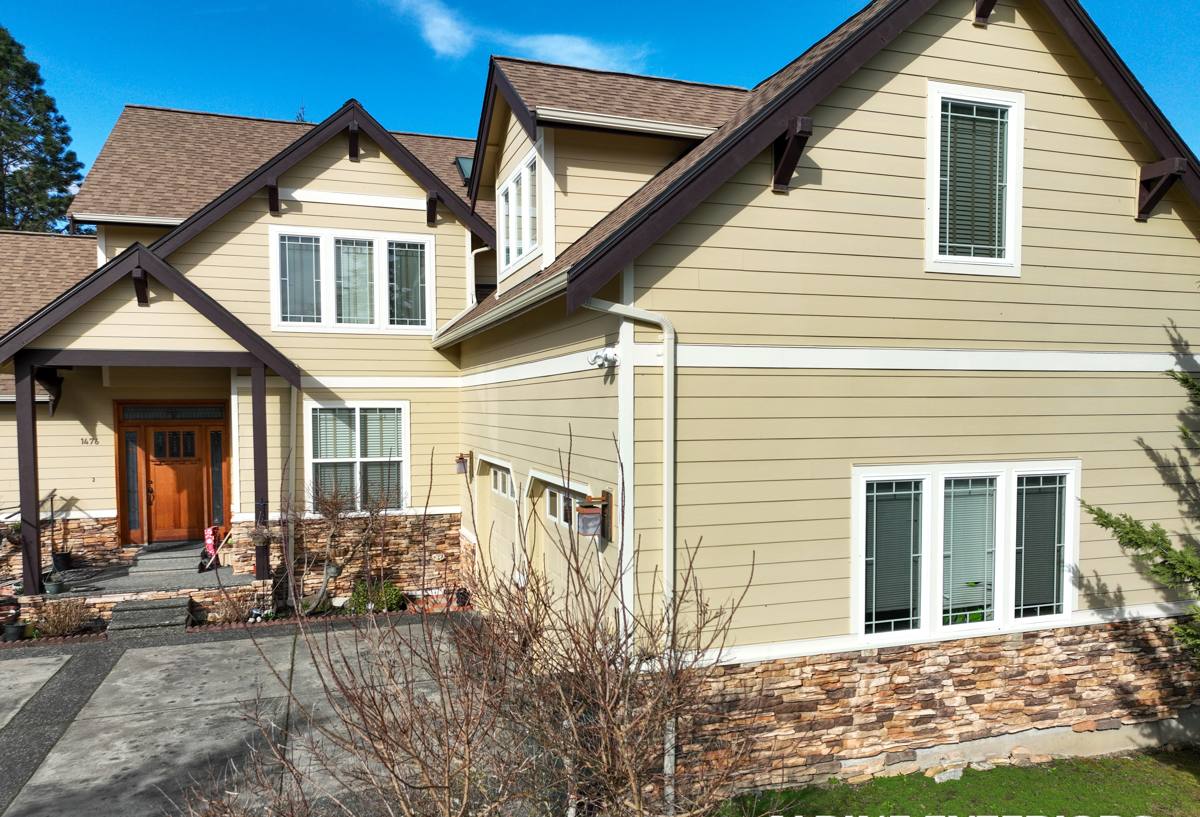
How the Local Climate Shows Up in Failing Windows
When we get called out to March Point, the failures we see tend to follow a pattern tied directly to the environment:
- Aluminum-frame windows with pitted or chalky finish from years of salt exposure
- Wood sills and jambs that are soft or discolored from trapped moisture
- Fogged double-pane glass, meaning the seal has failed and the argon or air gap is gone
- Sticking or hard-to-operate sashes from swollen wood or corroded hardware
- Moss or black mildew staining building up on north-facing and shaded window trim
- Drafts or cold spots around the frame that show up worse during winter storms off the water
Any one of these can usually be fixed or lived with for a while. Two or three together, especially fogged glass plus soft wood, is usually the point where replacement makes more sense than another round of patch repairs.
What a Correct Window Replacement Job Actually Involves
It Starts Before the Window Ever Goes In
The window itself is the easy part. The install quality is what determines whether it lasts 20 years or leaks again in five. On a waterfront-exposed property like March Point, that means:
- Removing the old unit and inspecting the rough opening for hidden rot or moisture damage before anything new goes in
- Repairing or replacing any compromised sheathing or framing found underneath — never installing a new window over a wet or soft opening
- Installing flashing tape and a proper drainage plane so water that gets behind the siding has somewhere to go besides your wall cavity
- Setting the window level, square, and properly shimmed so the sash operates correctly for years, not just on install day
- Sealing with the right exterior-grade sealant at the right joints — not sealing everything solid, which traps moisture instead of letting it drain
Why This Matters More Here Than Elsewhere
A sloppy install in a sheltered inland location might not show a problem for years, because the wall doesn't see much wind-driven water. On March Point, a shortcut on flashing or sealant tends to show up as a leak or rot within a season or two once a real storm off the bay hits the wall directly. We treat every March Point install as if it will see the worst weather the area gets, because eventually it will.
Choosing a Frame Material for Marine Exposure
Frame material matters more here than in a lot of other parts of Skagit County. Here's how the common options generally hold up in a salt-air, high-moisture environment:
| Material | Salt Air / Corrosion | Moisture Behavior | Maintenance |
|---|---|---|---|
| Vinyl | Does not corrode; unaffected by salt exposure | Won't rot; handles condensation well | Low — occasional cleaning |
| Fiberglass | Excellent resistance; very stable in coastal air | Won't rot; dimensionally stable in wet/dry cycles | Low |
| Wood (unclad) | No corrosion issue, but finish breaks down faster in salt air | Absorbs moisture if finish fails; prone to rot without upkeep | High — repainting/sealing on a regular cycle |
| Wood-clad | Cladding protects from salt; look for a durable exterior finish | Interior wood still needs the cladding seal to stay intact | Moderate |
| Aluminum (older/uninsulated) | Prone to pitting and corrosion over time near the water | Poor thermal break; condensation-prone | Moderate to high |
We don't push one material on every job. A lot of it comes down to your home's style, your budget, and how much upkeep you actually want to do. What we won't do is recommend a frame material that's a poor match for a property sitting directly in the path of bay wind and salt spray just because it's cheaper up front — that's a decision that tends to cost more in the long run through maintenance or premature failure.
Glass Package: Not Just "Double Pane"
Double-pane glass is standard now, but the details inside the unit matter for a property like this:
- Low-E coatings help with both summer heat gain and winter heat loss, which matters through Anacortes's mild but damp winters
- Argon or krypton gas fill improves insulation value over a plain air gap
- Warm-edge spacers reduce condensation risk at the glass edge, which is where fogging and seal failure usually start first
- Tempered glass where required by code — typically near doors, low sills, and wet areas
None of this needs to be complicated. The point is matching the glass package to how exposed and how weather-beaten your specific window openings are, not defaulting to the cheapest option that technically meets code.
Our Process for a March Point Window Replacement
- On-site assessment. We walk the exterior and interior, check each window opening for hidden moisture or rot, and note which units are candidates for repair versus full replacement.
- Straight-talk estimate. You get a written estimate that spells out frame material, glass package, and scope — no vague allowances that turn into surprise upcharges later.
- Opening prep. Any rot or soft framing found during removal gets repaired before a new window goes in. We won't install a new window over a bad opening.
- Install with proper flashing and drainage. Every unit gets flashed, shimmed, and sealed to shed water away from the wall assembly, not toward it.
- Interior and exterior finish work. Trim, caulking, and touch-up are completed so the job looks finished, not just functional.
- Final walkthrough. We check operation, seal quality, and finish with you before calling the job done.
What Affects the Cost
| Factor | Why It Matters |
|---|---|
| Number of openings | More windows means more material and labor, but often a better per-unit price on larger jobs |
| Frame material | Vinyl is typically the most budget-friendly; fiberglass and wood-clad cost more up front but can mean less upkeep |
| Glass package | Low-E coatings, gas fill, and tempered glass all add cost but improve performance and safety |
| Opening condition | Rot or framing repair found during removal adds labor beyond the window itself |
| Access and window size | Second-story, oversized, or hard-to-reach openings take more time and equipment |
| Trim and finish work | Matching existing interior trim or exterior siding detail adds finish labor |
Exact numbers depend on what we find once we look at your specific windows, so we'd rather give you a real, written estimate than a broad range that doesn't mean much for your house.
Why a Crew That Already Works March Point Is Worth Something
A lot of window replacement problems on the water side of Anacortes come down to installers treating it like any other job in Skagit County. It isn't quite the same. A crew that's already done work on March Point and similar exposed locations around Fidalgo Island knows to check for salt-related hardware corrosion even when the frame looks fine from the ground, knows which flashing details actually hold up against wind-driven rain off the bay, and doesn't get surprised by how much moss buildup can hide moisture damage on shaded trim. That familiarity translates into fewer callbacks and a job that's built for the conditions it will actually face, not generic conditions.
Keeping New Windows Performing Long-Term
A correctly installed window on March Point should need very little from you, but a few habits help it stay that way:
- Rinse salt residue off exterior frames and glass periodically, especially after storms with onshore wind
- Keep gutters and nearby drainage clear so water isn't sitting against window openings
- Check exterior caulk lines yearly and have any cracked or separated sealant redone before it becomes a leak path
- Clear moss or mildew from shaded trim and sills before it holds moisture against the wood or finish
- Operate each window through its full range a few times a year so hardware doesn't seize from disuse plus corrosion
If your March Point home has windows that are fogging, sticking, drafty, or showing soft wood around the frame, we're happy to take a look and give you a straight, no-pressure estimate on what it would take to fix it right. There's a free estimate form below whenever you're ready.