 Anacortes Siding
 Asphalt Shingle Roofing Built for Edison's Coastal Weather
Edison sits in a stretch of Skagit County where farmland meets tidal flats and the wind has nothing to slow it down before it reaches a rooftop. Homes here take a different kind of beating than roofs twenty miles inland. Salt-laden air off the bay, long stretches of driving rain, and a moss season that can run eight or nine months out of the year all work against a roof that isn't installed and maintained with this specific climate in mind. Asphalt shingle roofing remains one of the most practical, cost-effective choices for Edison homes, but only when the material, the installation details, and the ongoing care are matched to what this area actually throws at a house.
This page covers what we look for on Edison roofs, what a correct asphalt shingle installation involves out here, and how we approach the work from first estimate to final cleanup.
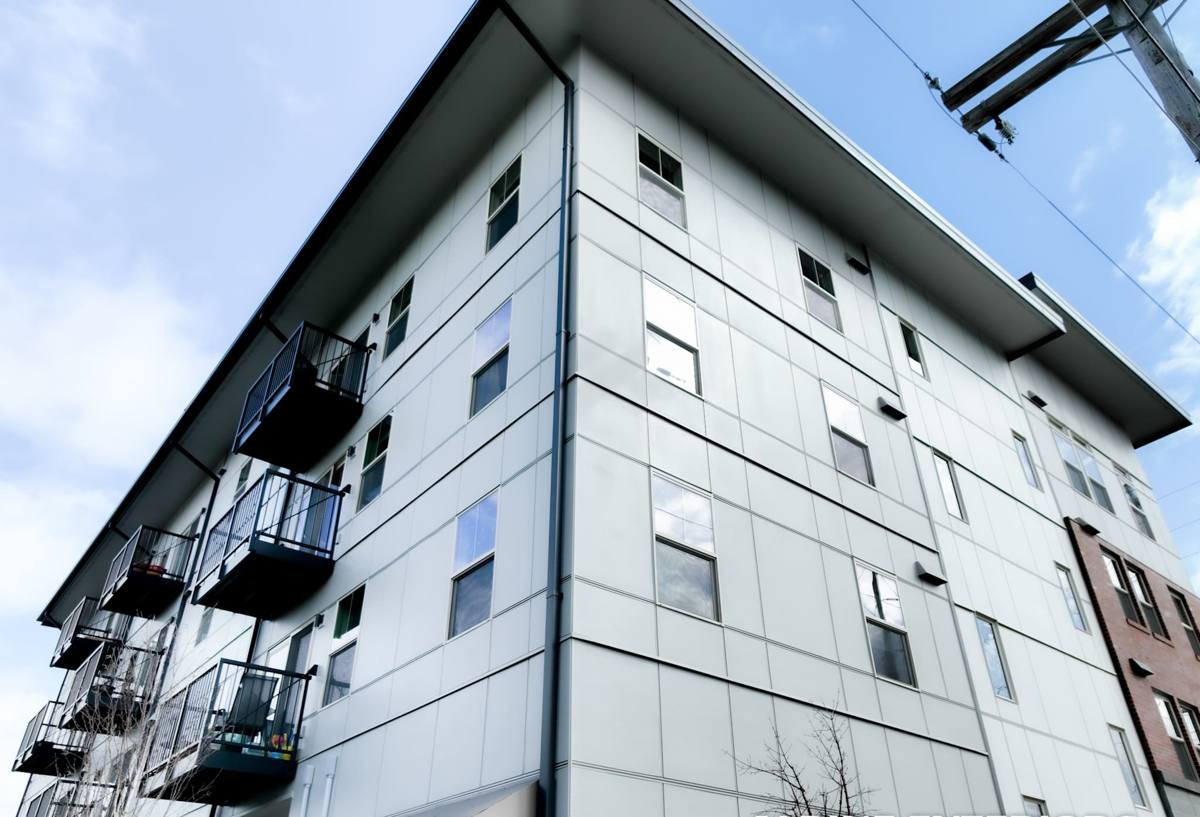
What Edison's Climate Does to a Shingle Roof
Three conditions define roofing work in this part of Skagit County, and each one attacks a roof differently.
Salt Air
Homes closer to the water pick up airborne salt that settles on roofing surfaces and accelerates corrosion on exposed metal — nail heads, flashing, vent boots, and gutter hardware. Standard fasteners and thin flashing stock don't hold up as well here as they would further inland. It's a slow process, but over years it shows up as rust streaking, loosened flashing, and premature wear around roof penetrations.
Driving Rain
Storms coming off the water don't just fall straight down — wind-driven rain gets pushed sideways and upward under shingle edges, around chimneys, and into valleys. A roof that would shed water fine in a calm rain can still leak in a wind-driven storm if the underlayment, flashing laps, and valley details weren't built for that kind of water intrusion. This is one of the most common causes of leaks we find on otherwise healthy-looking shingle roofs in this area.
Moss Season
The combination of shade, moisture, and mild temperatures in Skagit County creates a long moss and algae season. North-facing slopes, roofs under tree cover, and low-slope sections stay damp longer between rain events, giving moss time to establish. Moss holds moisture directly against the shingle mat, lifts shingle edges as it grows, and steadily shortens the life of an otherwise sound roof if it isn't controlled.
Choosing the Right Shingle for This Climate
Not every asphalt shingle product handles coastal exposure the same way. The differences that matter most out here are algae resistance, wind rating, and how the shingle behaves once it's had a few winters of moisture cycling on it.
| Shingle Type | Typical Wind Rating | Algae Resistance | Best Fit For Edison |
|---|---|---|---|
| Standard 3-tab | Lower (60-70 mph) | Minimal unless treated | Budget projects on well-drained, sunny roof faces |
| Architectural / laminate | Higher (110-130 mph) | Available with algae-resistant granules | Most Edison homes — better wind and moisture performance |
| Impact-resistant laminate | High | Available with algae-resistant granules | Homes with heavy tree cover or debris exposure |
We favor architectural shingles with algae-resistant (AR) granules for most Edison projects. The extra granule treatment doesn't stop moss outright, but it slows algae staining and gives a roof more working life between cleanings. On heavily shaded lots, we'll also talk through ventilation and tree trimming as part of the plan, since no shingle product on its own solves a moisture problem that starts with poor airflow or standing shade.
What a Correct Installation Actually Involves
A shingle roof is a system, not a single product, and in a climate like this the details underneath the shingles matter as much as the shingles themselves.
Underlayment
We use synthetic underlayment as a water-resistant layer beneath the shingles, with self-adhering underlayment in vulnerable areas — eaves, valleys, and low-slope sections — where wind-driven rain and ice-free but wet winters are most likely to force water past the shingle surface.
Flashing
Flashing around chimneys, skylights, sidewalls, and roof-to-wall transitions is where most leaks actually start, not in the open field of shingles. Given the salt exposure this area sees, we pay close attention to flashing material and fastener quality, and we don't reuse old flashing on a reroof unless it's genuinely still sound.
Ventilation
Balanced intake and exhaust ventilation keeps the attic dry and temperature-stable, which matters for shingle lifespan and for controlling condensation that can otherwise form on the underside of the roof deck during our wetter, milder winters. Poor ventilation is a common, often invisible contributor to premature shingle failure.
Nailing Pattern and Fastener Choice
Correct nail placement affects both wind resistance and how well the shingle seals over time. Given the salt air here, we also pay attention to fastener corrosion resistance rather than defaulting to whatever is cheapest.
Starter Strips and Ice-and-Water Protection
Proper starter shingles along eaves and rakes prevent wind from getting under the first course, which is one of the more common failure points we see on older, budget installations in windy areas like Edison.
Our Process From Estimate to Cleanup
- On-site inspection: We walk the roof (or inspect from ladder and drone where pitch or access requires it), checking deck condition, flashing, ventilation, and moss or algae presence.
- Honest scope and estimate: We explain what's actually needed — full replacement, partial repair, or maintenance — and why, in plain terms, with a written estimate before any work begins.
- Material selection: We walk through shingle options suited to the home's exposure, slope, and shade conditions rather than pushing a single product.
- Tear-off and deck check: Old roofing is removed and the deck is inspected for rot or soft spots before anything new goes down — a step that's easy to skip but critical on older Edison homes.
- System installation: Underlayment, flashing, starter strips, shingles, and ventilation components are installed as a coordinated system, not a stack of individual products.
- Site cleanup and final walkthrough: Debris and nails are cleared from the property, and we walk the finished roof with the homeowner before calling the job complete.
Moss, Algae, and Long-Term Roof Care
Even a well-installed roof needs periodic attention in this climate. Moss and algae are ongoing maintenance issues, not one-time problems you solve during installation and never think about again.
- Keep gutters and valleys clear of needles and debris that trap moisture against the roof surface.
- Trim back overhanging branches to reduce shade and let roof surfaces dry between rain events.
- Have moss physically removed rather than left to grow — scraping and gentle treatment, not pressure washing, which can strip granules and shorten shingle life.
- Schedule a roof check every year or two, especially after a hard winter, to catch lifted shingles or flashing issues before they become leaks.
- Watch for granule buildup in gutters, which signals accelerated shingle wear and is worth a professional look.
Signs Your Edison Roof Needs Attention
Most shingle roof failures give warning signs well before an active leak shows up inside the home. Worth checking for:
- Dark streaking or green-black patches on north-facing or shaded slopes
- Shingle edges that look lifted, curled, or cupped
- Granules collecting in gutters or at downspout outlets
- Visible rust or gaps at flashing around chimneys and vents
- Daylight or water staining visible in the attic near roof penetrations
- Moss thick enough to hold visible moisture against the shingle surface
Repair vs. Replacement — Cost Factors
Not every roofing issue on an Edison home means a full replacement. The right call depends on the roof's age, the extent of the damage, and how the problem developed.
| Factor | Favors Repair | Favors Replacement |
|---|---|---|
| Roof age | Under 10-12 years | Approaching or past expected shingle lifespan |
| Damage extent | Localized — one slope, one flashing point | Widespread wear, multiple leak points |
| Deck condition | Solid, no rot found | Soft spots or rot found during inspection |
| Moss/algae history | Recent, manageable growth | Long-term moss damage affecting the shingle mat |
| Ventilation | Adequate, functioning properly | Inadequate — often paired with premature wear |
We'll always tell you honestly when a repair is the right call instead of steering every job toward a full reroof. Broad pricing depends heavily on roof size, pitch, access, and the scope of underlying deck or ventilation work, so we prefer to give real numbers after a proper inspection rather than a generic estimate that doesn't reflect your specific roof.
Why Hire a Crew That Already Works in Edison
Roofing crews unfamiliar with this stretch of Skagit County sometimes treat every job the same way they would inland — standard underlayment, standard flashing, no particular attention to salt exposure or moss cycles. That approach tends to show its limits within a few years out here. A crew that already works in Edison and the surrounding Anacortes area knows which slopes hold moss longest, which flashing details actually hold up against wind-driven rain off the water, and which shingle products are worth the extra cost in this specific environment versus which upgrades don't pay off here.
That local familiarity also shows up in smaller, practical ways — knowing typical soil and drainage conditions around Edison properties, understanding how tree cover on a given lot affects roof drying time, and having a realistic sense of what weather windows are reliable for tear-off and installation work in this part of the county.
Get a Free, No-Pressure Estimate
If your Edison home's roof is showing moss, wear, or you're just planning ahead for a replacement, we're glad to take a look and give you a straightforward assessment — no pressure, no upsell. Use the form below to request a free estimate and we'll walk you through exactly what your roof needs and why.