 Anacortes Siding
 Why Windows Fail Faster in Old Town Anacortes
Old Town Anacortes sits close enough to the water that salt-laden air is part of daily life, not an occasional nuisance. That air works on window hardware, aluminum cladding, and exposed fasteners in ways that inland neighborhoods never have to deal with. Add in the driving rain that comes off the Salish Sea during fall and winter storms, plus a moss season that can stretch for months on shaded north- and west-facing walls, and you have a combination that finds every weak point in a window assembly.
Many homes in this part of Anacortes are older construction, which means original wood windows, early-generation vinyl replacements from decades past, or a mix of both installed at different times by different owners. None of that is a problem on its own. What matters is whether each window was actually flashed, sealed, and fitted correctly when it went in. A lot of window failure we see in this neighborhood isn't the glass or the frame giving out — it's water finding a path behind the trim because the original installation cut corners that don't show up until years later.
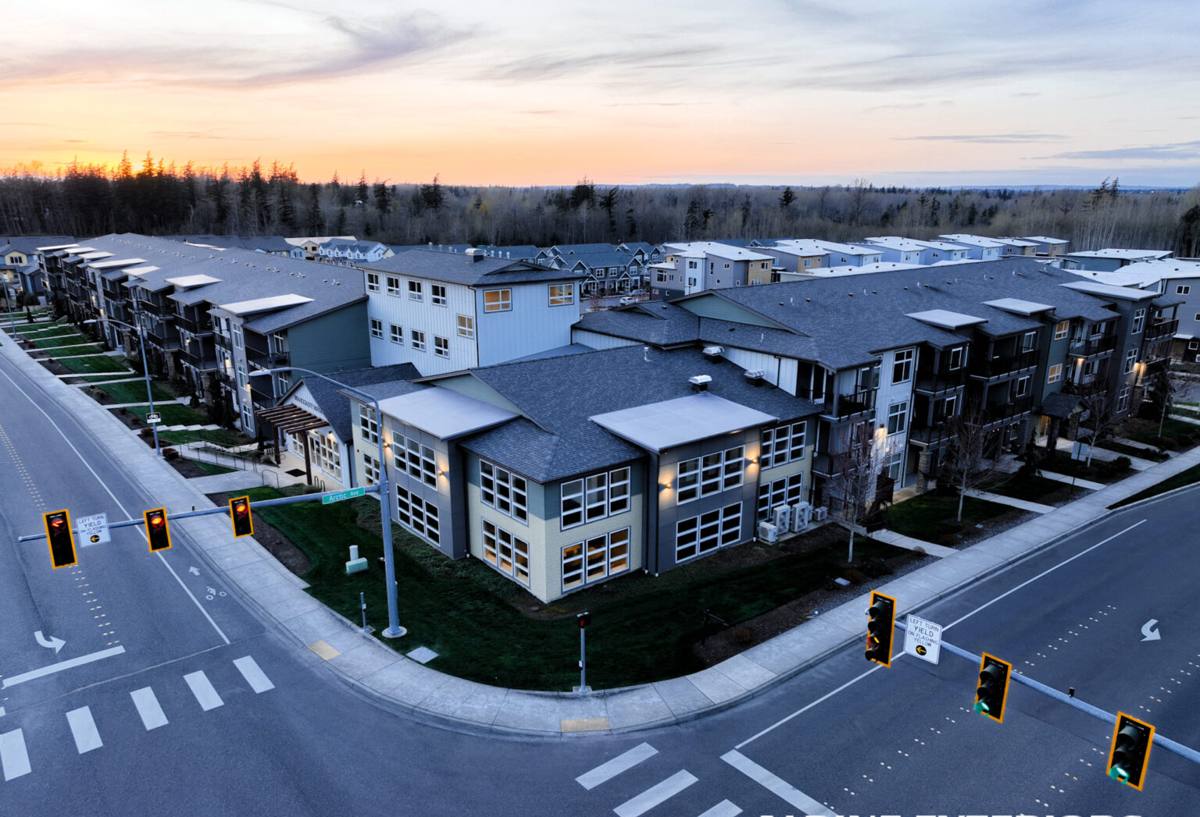
What Skagit County's Climate Does to a Window Over Time
Skagit County doesn't get extreme cold, but it gets persistent moisture, and persistent moisture is harder on a building than a hard freeze. A window in Old Town Anacortes can go weeks at a stretch without fully drying out between rain events. That steady dampness is what drives three specific problems homeowners bring to us:
- Wood rot at the sill and lower corners — the first place water pools and the last place it dries.
- Seal failure in older double-pane glass — showing up as fog or condensation trapped between the panes.
- Hardware corrosion — locks, cranks, and balances that seize up or won't latch tight from years of salt exposure.
Moss adds a slower but real risk. When moss builds up on a roof or wall above a window, it holds water against the siding and trim longer than bare material would, feeding moisture into the same gaps that salt air and rain are already working on.
Signs It's Time to Replace, Not Repair
Not every problem window needs full replacement — sometimes a resealing or hardware fix solves it. But there's a point where repair is just delaying a bigger repair. Walk your home and check for these:
- Visible gaps or soft, spongy wood at the sill or bottom corners of the frame
- Fog or moisture trapped between panes that won't clear
- Windows that are difficult to open, close, or lock — especially after damp weather
- Cold drafts near the frame even when the window is fully latched
- Paint or finish that's bubbling, peeling, or discolored around the window trim
- A noticeable jump in heating costs with no other explanation
- Visible daylight or a whistling sound around the frame during windstorms
If you're seeing two or more of these on the same window, it's usually more cost-effective to replace than to keep patching.
What a Correct Window Replacement Actually Involves
The window unit itself is only part of the job. Most of the long-term performance comes from the details around it that homeowners never see once the trim goes back on.
Removing the Old Window the Right Way
We take the old unit out carefully and inspect the rough opening before anything new goes in. This is the point where hidden rot, soft framing, or old flashing mistakes get found — and it's much cheaper to address them now than to install a new window over a problem and have it resurface in two years.
Flashing and Water Management
Proper flashing directs any water that gets past the window's exterior seal back out, rather than letting it sit against the framing. In a climate like this one, flashing detail is not optional trim work — it's the difference between a window that lasts decades and one that causes rot behind the wall within a few years.
Sealing and Insulating
The gap between the window frame and the rough opening gets insulated and sealed on both the interior and exterior sides. Done right, this stops drafts, blocks bulk water, and still allows any incidental moisture to escape rather than get trapped.
Finish Work
Trim, caulking, and paint or finish are reinstalled or replaced to match the home, with attention to keeping water from finding a way behind the trim boards themselves.
Choosing the Right Window for a Salt-Air, High-Rain Climate
Frame material matters more here than in a lot of other parts of the country. We walk homeowners through the honest trade-offs rather than pushing one product line.
| Frame Material | Salt Air / Moisture Behavior | Maintenance | Typical Fit for Old Town Anacortes |
|---|---|---|---|
| Vinyl | Doesn't corrode or rot; performs well against salt air | Low — no painting or sealing needed | Strong all-around choice for most homes |
| Fiberglass | Very stable in wet, salty conditions; resists warping | Low | Good option where a slimmer profile or extra durability is wanted |
| Wood (with proper cladding) | Handsome but vulnerable if the exterior isn't fully protected | Higher — finish needs upkeep | Workable on older homes wanting a traditional look, with eyes open on upkeep |
| Bare aluminum | Prone to corrosion and condensation in salt air over time | Moderate to high | Generally not our recommendation for this location |
We're not against any of these materials outright — it's about matching the maintenance commitment a homeowner is willing to make against how the material actually behaves a block or two from saltwater. A wood window with a well-maintained exterior can last a long time here; a wood window that gets neglected for a few years in this climate will show it fast.
Glass Packages Worth Considering
Double-pane with a low-E coating is the baseline we recommend for this area — it cuts heat loss and helps control condensation on the interior glass during cold, damp mornings. Triple-pane is worth discussing for homes with a lot of west- or north-facing glass that catches the worst of the wind-driven rain, though it adds cost and weight that should be weighed against the actual benefit for your specific windows.
Older Home Considerations Specific to This Neighborhood
Because a lot of Old Town Anacortes housing stock predates modern window sizing, rough openings are frequently out of square or slightly out of standard dimension. That's normal for a home of this age, but it means "off the shelf" doesn't always apply — openings often need to be measured and, in some cases, built out or corrected rather than assuming a new window will drop into the old opening. We check this at the estimate stage, not after the window has already been ordered, so there are no surprises mid-project.
We also pay attention to matching trim profiles and exterior appearance where it matters to the character of the house, rather than defaulting to whatever's easiest to install.
Our Process, Start to Finish
- On-site assessment — we look at every window being considered, not just the worst one, and check framing condition while we're there.
- Honest recommendation — repair versus replace, and which frame/glass package actually fits the home and budget.
- Clear, written estimate — no vague allowances, so you know what's included before work starts.
- Careful removal and opening inspection — hidden rot or flashing issues get flagged and discussed before proceeding.
- Correct flashing, insulation, and sealing — the part of the job that determines whether this lasts.
- Finish work and cleanup — trim, paint touch-up as needed, and a clean job site when we leave.
- Final walkthrough — we check operation and seals with you before calling it done.
What Affects the Cost of a Window Replacement Project
| Factor | Why It Matters |
|---|---|
| Number of windows | Per-window cost typically drops as the total project size grows |
| Frame material and glass package | Vinyl and fiberglass generally cost less upfront than wood; triple-pane adds cost over double-pane |
| Condition of the rough opening | Rot repair or reframing adds labor and material beyond the window unit itself |
| Window size and style | Larger units, custom shapes, or hard-to-access locations (like second-story windows) add labor |
| Trim and exterior finish work | Matching existing trim profiles or repainting affects the finish-work portion of the bid |
We give a broad range during the initial conversation and firm numbers after we've actually looked at your windows and openings — every home in this neighborhood carries its own history, and guessing at a price without seeing the framing does homeowners a disservice.
Why It Matters to Hire a Crew That Works This Neighborhood
A window installer who mostly works newer subdivisions inland doesn't run into out-of-square openings, salt-air hardware corrosion, or moss-driven moisture problems as a matter of routine. A crew that regularly works Old Town Anacortes has already seen how these specific issues show up here, which means fewer surprises mid-project and a better sense of which products actually hold up a few blocks from the water versus which ones look fine in a showroom.
It also means understanding how to work respectfully around the character of an older home — matching trim, protecting original siding, and not treating every house like a blank slate for whatever's fastest to install.
Caring for New Windows in This Climate
New windows still need some seasonal attention here, especially given the moss and salt air:
- Rinse frames and tracks periodically to clear salt residue, especially after storms
- Keep nearby gutters and roof areas clear of moss buildup so runoff doesn't sit against the wall
- Check weep holes (the small drainage openings at the bottom of the frame) to make sure they're clear
- Operate locks and cranks a few times through the winter so hardware doesn't seize from disuse
None of this is heavy maintenance — it's a few minutes, a couple times a year, that keeps a properly installed window performing the way it should for its full lifespan.
If your windows are showing any of the signs above, or you'd just like an honest read on where they stand, we're happy to come take a look. Estimates are free, there's no pressure, and you'll get a straight answer about whether replacement makes sense right now or can wait — use the form below to get started.